




Jakub Karol Parnas Award for Professor Andrzej Dziembowski’s Team
A publication describing the role of the TENT5A enzyme in the efficacy of mRNA vaccines against SARS-CoV-2 has received the Jakub Karol Parnas Award from the Polish Biochemical Society for 2025. This is the Society’s highest distinction, presented for the best experimental research paper in biochemistry and molecular biology published by Polish scientists. In its justification, the award committee emphasized the publication’s high scientific merit and the societal significance of its findings.
Professor Dziembowski’s team has received the Parnas Award for the second consecutive year. The previous year, the team was recognized for a study revealing the molecular mechanisms underlying infertility. Their research on TENT5A also earned them the Professor Włodzimierz Krzyżosiak Award earlier this year.
Authors of the Award-Winning Publication
The award-winning paper, “Re-adenylation by TENT5A enhances efficacy of SARS-CoV-2 mRNA vaccines,” was published in Nature in April 2025. Dr. Paweł S. Krawczyk is the first author, while Professor Andrzej Dziembowski and Dr. Seweryn Mroczek are the corresponding authors.
Other IIMCB researchers who contributed to the study include Michał Mazur, Wiktoria Orzeł, Olga Gewartowska, Sebastian Jeleń, Wiktor Antczak, Karolina Kasztelan, Aleksandra Brouze, Katarzyna Matylla-Kulińska, Natalia Gumińska, Bartosz Tarkowski, Ewelina P. Owczarek, Kamila Affek, Małgorzata Sroka, and Monika Kusio-Kobiałka. Some of them are also affiliated with the Faculty of Biology at the University of Warsaw.
How mRNA Remains Active for Longer
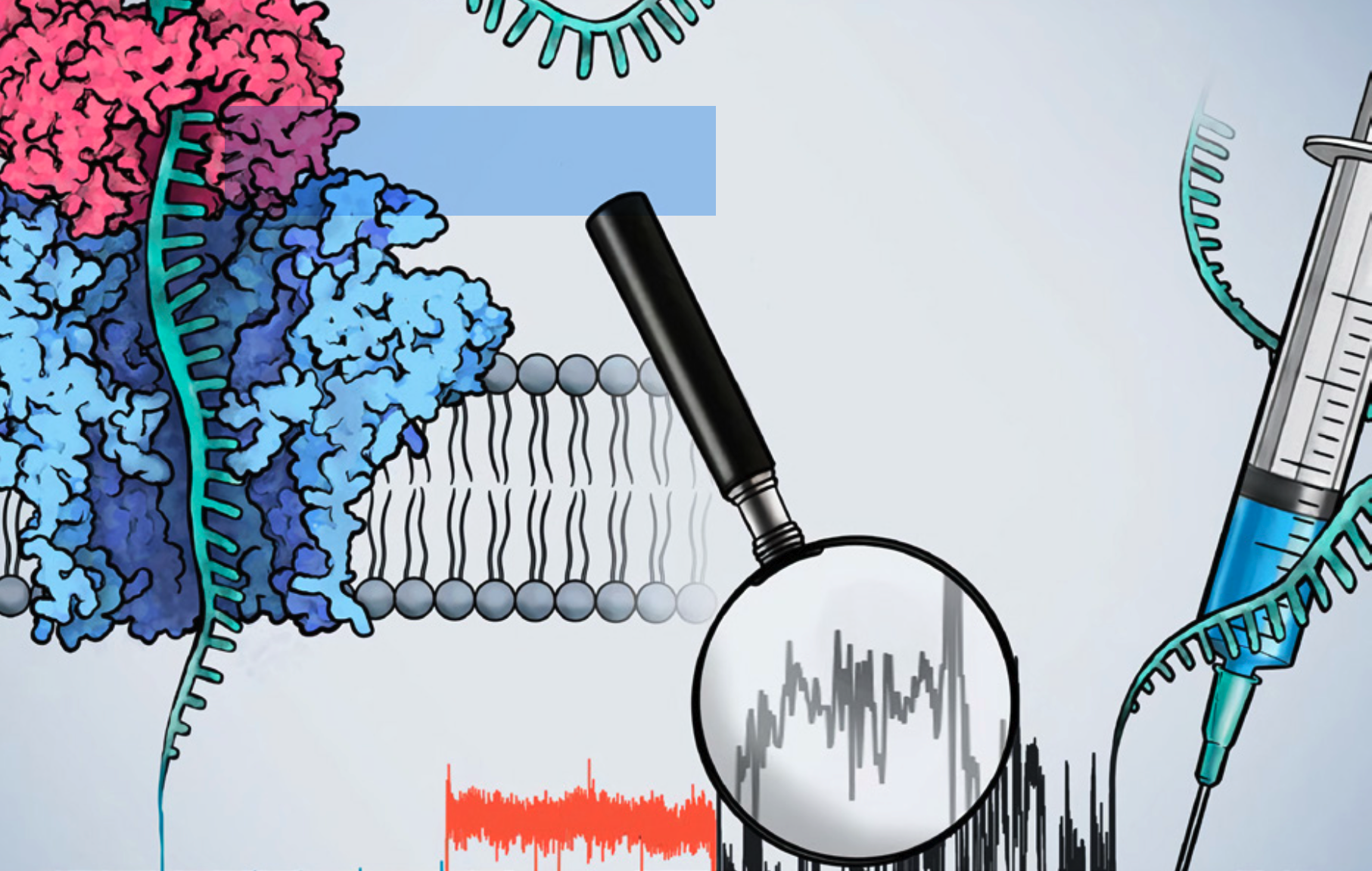
In the award-winning study, the researchers identified a mechanism that helps mRNA remain active for longer. The TENT5A enzyme plays a key role in this process by extending the so-called poly(A) tail at the end of an mRNA molecule. This makes the mRNA more stable and allows it to remain active for longer, enabling cells to produce more antigen—a protein that triggers an immune response.
The Role of Macrophages
The team also demonstrated that macrophages play a particularly important role following vaccination. These immune cells take up the vaccine mRNA and use it to produce the antigen. Understanding how TENT5A works could help scientists develop more effective vaccines and other mRNA-based therapies.
The study was conducted through a collaboration between researchers from the International Institute of Molecular and Cell Biology in Warsaw (IIMCB), the University of Warsaw, the Institute of Biochemistry and Biophysics of the Polish Academy of Sciences, the Medical University of Warsaw, and ExploRNA Therapeutics.
It demonstrates how fundamental research can generate knowledge essential for the development of advanced medical technologies.