




Laboratory of RNA Splicing
- Leader
- Wojciech Galej, PhD
Leader
Our group uses an integrative structural biology approach to uncover the molecular mechanisms underlying gene expression, pre-mRNA splicing and their regulation. We combine cutting-edge electron microscopy and imaging technologies with biochemistry, biophysics and cell biology to investigate the structure, function and dynamics of macromolecular complexes across multiple scales.
Research Summary
A major focus of our research is on large and dynamic RNA–protein complexes involved in pre-mRNA splicing, snRNP biogenesis and RNA 3′-end processing. We combine single-particle cryo-electron microscopy (cryo-EM) with genome engineering, biochemical reconstitution and quantitative biophysical approaches to capture these molecular machines in different functional states and understand how their structure and dynamics enable their biological functions.
We are particularly interested in bridging the gap between the detailed molecular information obtained from purified complexes and their organisation and function within the cellular environment. To achieve this, we use in situ structural biology approaches, integrating cryo-electron tomography (cryo-ET), correlative light and electron microscopy (CLEM) and computational approaches to visualise molecular machines directly within cells.
Future Goals
Our research is driven by biological questions and cutting-edge structural biology technologies. We therefore continuously adopt and develop emerging experimental and computational approaches that allow us to investigate increasingly complex and dynamic molecular systems. Ultimately, we aim to understand how the molecular machines responsible for RNA processing are assembled, regulated and organised within cells, and how their dysfunction contributes to human disease.
About the lab
|
|
Wojciech Galej, PhDCorrespondence address: |
DEGREES
2025 - HDR (Habilitation), University of Grenoble Alpes, Grenoble, France
2013 - PhD in Molecular Biology, University of Cambridge, UK
2009 - MSc in Chemistry, University of Warsaw, Poland
2009 - MSc in Molecular Biology, University of Warsaw, Poland
2007 - BSc in Biotechnology, University of Warsaw, Poland
PROFESSIONAL EXPERIENCE
2026 - present - Senior Group Leader, International Institute of Molecular and Cell Biology in Warsaw, Poland
2024-2026 - Deputy Head, European Molecular Biology Laboratory, EMBL Grenoble, France
2016-2026 - Group Leader, European Molecular Biology Laboratory, EMBL Grenoble, France
2013-2016 - Postdoctoral training, MRC Laboratory of Molecular Biology, Cambridge, United Kingdom
2009-2013 - PhD studies, University of Cambridge and MRC Laboratory of Molecular Biology, Cambridge, United Kingdom
HONORS, PRIZES AND AWARDS
2026 - EMBO Member
2026 - NCN Sonata Bis Grant
2026 - NAWA Polish Returns Grant
2025 - ERC Consolidator Grant
2020 - ERC Starting Grant
2018 - Biochemical Society Early Career Award
2011 - Treherne Scholarship, Downing College, University of Cambridge
2009 - Cambridge European Trust scholarship for PhD studies
2007 - FEBS Summer Fellowship
DOCTORATES DEFENDED UNDER LAB LEADER’S SUPERVISION
M. Pfleiderer, J. Tholen, S. Lagad, N. Sharaev
Group members
Head of Laboratory
Wojciech P. Galej, PhD, HDR
Postdoctoral Researchers:
Shichen Su, PhD
PhD students
Emily Fillbrook, MSc
Laboratory Support Specialist
Marcin Sypka, MSc
Laboratory of Bioinformatics and Protein Engineering
- Leader
- Janusz M. Bujnicki, PhD, Professor
Leader
We study RNA not only as a carrier of genetic information, but also as a class of dynamic molecules that actively shape biological processes at the molecular level. We approach RNA as a complex puzzle in which every element provides clues to its diverse functions, ranging from the catalysis of chemical reactions to the regulation of cellular processes. Using advanced computational models and experimental techniques, we investigate RNA structures and interactions, particularly those involving proteins and small chemical molecules.
Research Summary
Our research focuses on developing and applying new methods for determining RNA structures and modeling interactions between RNA and other molecules. We combine computational predictions with experimental analyses to gain a better understanding of the roles played by RNA in biological processes. This integrated approach makes an important contribution to molecular biology, bioinformatics, and structural biology.
The computational tools developed by our laboratory, including ModeRNA and SimRNA, are widely used by researchers around the world. We investigate the three-dimensional structures of RNA molecules originating from viruses, bacteria, and human cells, with particular emphasis on molecules that may serve as targets for small chemical compounds. Our research is conducted in close collaboration with research groups and partners in Poland and abroad.
Scientific Impact
- Development of tools for modeling RNA structures and their interactions with small chemical molecules.
- Continued development of the MODOMICS database, which celebrated its 20th anniversary in 2025.
- Participation in the international Human RNome Project consortium.
- Expansion of the MODOMICS database to include thousands of human transcript sequences with mapped RNA modifications.
- Development of new computational tools for comparing three-dimensional nucleic acid structures and identifying structural motifs.
- Determination of the three-dimensional structures of diverse RNA molecules using cryo-electron microscopy combined with computational modeling.
Research Plans
Our objective is to deepen the understanding of RNA structure and function, particularly by investigating molecules with potential therapeutic relevance. The computational methods we develop, integrated with experimental studies, are intended to support both advances in fundamental research and future practical applications.
In the long term, we aim for our work to contribute to the advancement of scientific knowledge and to the development of solutions relevant to medicine and biotechnology.
Collaborations
- Cryo-electron microscopy and RNA structure: S. Glatt, Poland/Austria; Z. Su, China
- Circular dichroism and FTIR spectroscopy of RNA: V. Arluison and F. Wien, France
- RNA modifications: Human RNome Project Consortium
- RNA structure comparison: E. F. Baulin, Poland
Comment
“Our goal is to determine RNA structures and interactions and to design new molecules with functions relevant to medicine and biotechnology. We combine cryo-electron microscopy with biochemical studies and computational modeling to determine the three-dimensional structures of diverse RNA molecules.
We have developed new computational tools for comparing three-dimensional nucleic acid structures and identifying structural motifs. To mark the 20th anniversary of MODOMICS in 2025, we substantially expanded the database by adding thousands of human transcript sequences with mapped RNA modifications. We are continuing this effort in collaboration with the Human RNome Project consortium,” says Prof. Janusz M. Bujnicki.
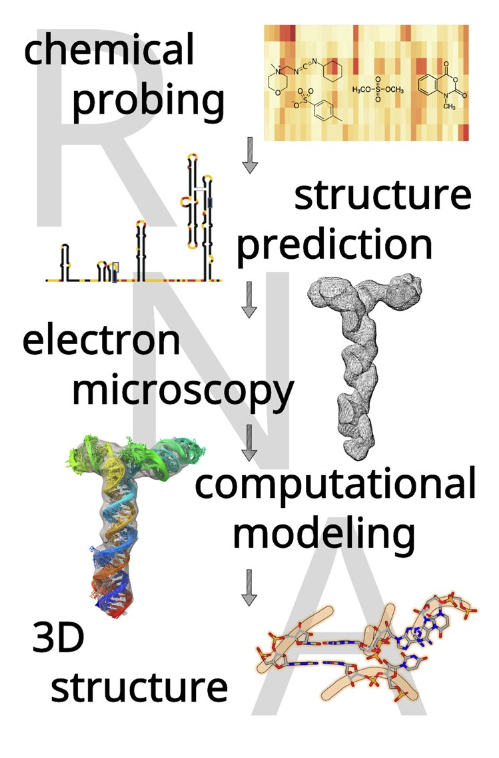
Determination of RNA 3D structure and dynamics, using a combination of computational and experimental methods. Example for the 5′-proximal region in SARS-CoV-2 RNA.
(Illustration: Dr. Tales Rocha de Moura)
Visit the laboratory website for more details: https://genesilico.pl/
About the lab
 |
Janusz M. Bujnicki, PhD, ProfessorCorrespondence address: |
DEGREES
2009 - Professor of Biological Sciences, nomination by the President of the Republic of Poland
2005 - DSc Habil in Biochemistry, Institute of Biochemistry and Biophysics, Polish Academy of Sciences, Warsaw, Poland
2001- PhD in Biology, University of Warsaw, Faculty of Biology, Poland
1998 - MSc in Microbiology, University of Warsaw, Faculty of Biology, Poland
PROFESSIONAL EXPERIENCE
2002-present - Professor, Head of Laboratory of Bioinformatics and Protein Engineering, International Institute of Molecular and Cell Biology in Warsaw, Poland (100% appointment)
2019-present - Scientific Advisor, Łukasiewicz Research Network - PORT Polish Center for Technology Development (25% appointment)
2006-2020 - Associate Professor (extraordinarius), Bioinformatics Laboratory, Institute of Molecular Biology and Biotechnology, Adam Mickiewicz University, Poznań, Poland
2010-2011 - Deputy Director, International Institute of Molecular and Cell Biology in Warsaw (1 year rolling position)
2008 - Visiting Professor, University of Tokyo, Japan(sabbatical)
2004-2006 - Assistant Professor, Adam Mickiewicz University, Poznań, Poland
2001 - Visiting Scientist, National Center for Biotechnology Information,National Institutes of Health, Bethesda, Maryland, USA
1999-2002 - Research Scientist, Bioinformatics Laboratory, International Institute of Molecular and Cell Biology in Warsaw, Poland
1998-2000 - Senior Research Assistant, Henry Ford Hospital, Detroit, Michigan, USA
SELECTED PROFESSIONAL AFFILIATIONS
2019-2022 - Member, Committee for Science Evaluation, Ministry of Science and Higher Education
2020 - Member, Advisory Group on Preventing, Counteracting and Combating COVID-19, Ministry of Science and Higher Education
2019-present - Member, University Council, University of Warsaw (Chairman, 2019-2020)
2018-present - Member, Academia Europaea
2018-present - Member, European Molecular Biology Organization
2017-present - Member, European Science Advisors Forum
2016-present - Corresponding Member, Polish Academy of Sciences
2016-2017 - Member, Council of the National Science Congress
2015-2020 - Member, Group of Chief Scientific Advisors, European Commission’s Scientific Advice Mechanism
2014-2018 - Member, Scientific Policy Committee, Polish Ministry of Science and Higher Education
2013-present - Executive Editor, Nucleic Acids Research
2013-2016 - Member, Scientific Committee of the Innovative Medicines Initiative
2013-2015 - Member, Science Europe: Life, Environmental and Geo Sciences (LEGS) Scientific Committee
2011-2016 - Member, Polish Young Academy, Polish Academy of Sciences
2007-present - Member, Polish Bioinformatics Society (founding member; Vice-President, 2007-2010; President, 2011-2013)
2007-present - Member, RNA Society
2001-present - Member, International Society for Computational Biology (Senior Member, 2015-)
SELECTED AWARDS AND FELLOWSHIPS
2019 - André Mischke Young Academy of Europe Prize for Science and Policy Honorary Award "For Merits for Inventiveness," Prime Minister at the request of the Polish Patent Office
2019 - Award for Organizational Achievements, Ministry of Science and Higher Education
2017 - Crystal Brussels Sprout Award
2015 - Jan Karol Parnas Award of the Polish Biochemical Society
2014 - National Science Centre Award for outstanding scientific achievements
2014 -Master Award, Foundation for Polish Science
2014 - Prime Minister’s Award for outstanding scientific achievements
2014 - Selected as one of “25 leaders for the next 25 years” by Teraz Polska magazine of the Polish Promotional Emblem Foundation
2014 - Knight's Cross of the Order of Polonia Restituta
2014 - Award in the Science category of the national plebiscite “Poles with Verve”
2013 - ERC Proof of Concept Grant
2012 - Award for Outstanding Research Achievements, Ministry of Science and Higher Education
2010 - ERC Starting Grant (2011-2015)
2009 - Scholarship for Outstanding Young Scientists, Minister of Science and Higher Education
2009 - Award for Research Achievements, Ministry of Science and Higher Education
2006 - Prime Minister Award for habilitation thesis
2006 - Young Researcher Award in Structural and Evolutionary Biology, Visegrad Group Academies of Sciences
2003, 2004 - START Scholarship for Young Scientists, Foundation for Polish Science
2002-2005 - EMBO/HHMI Young Investigator Award
2002 - Award for best Polish genetics-related publication in 2002, Polish Genetics Society
2001 - Award for best Polish publication on nucleic acid biochemistry in 2000, Polish Biochemical Society and Sigma-Aldrich
DOCTORATES DEFENDED UNDER LAB LEADER’S SUPERVISION
A. Żylicz-Stachula, A. Chmiel, I. Cymerman, A. Czerwoniec, M. Gajda, M. Pawłowski, J. Sasin-Kurowska, J. Kosiński, A. Obarska-Kosińska, S. Pawlak, E. Purta, K. Tkaczuk, Ł. Kościński, M.Rother, W. Potrzebowski, I. Korneta, T. Puton, J. Kasprzak, I. Tuszyńska, Ł. Kozłowski, M. Werner, A. Kamaszewska, A. Philips, K. Milanowska, M. Piętal, D. Matelska, K. Majorek, M. Domagalski, T. Osiński, M. Machnicka, M. Magnus, K. Szczepaniak, M. Zielińska, Astha, I. Foik, D. Toczydłowska-Socha.
Group members
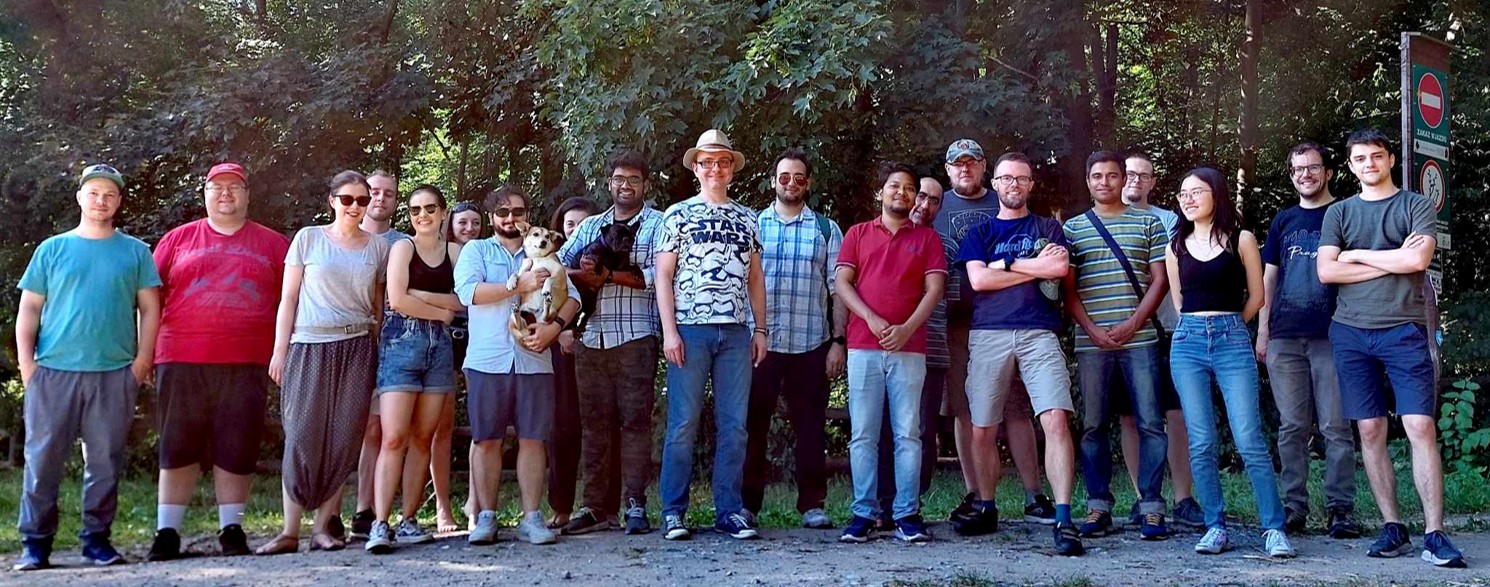
Lab Leader
Prof. Janusz M. Bujnicki
Senior Researchers
Dr Elżbieta Purta
Dr Filip Stefaniak
Dr Tales Rocha de Moura
Postdoctoral Researchers
Dr Gregory Nikolaev
Dr Rui João Loureiro
Software Developers
Dr Masoud Amiri Farsani
Seyed Naeim Moafinejad, MSc
Research Assistants
Agata Bernat, MSc
Dominik Sordyl, MSc
Anastasiya Shavina, MSc
Research Technician
Iwona Ptasiewicz
Laboratory Support Specialist
Katarzyna Grzelak, MSc
Students
Zuzanna Lubas, BSc
Zuzanna Stasiak, BSc
Klaudia Bodych, BSc
Volunteers
Dr Satyabrata Maiti
Dr Sunandan Mukherjee
Dr Kuntal Mondal
Dr Angad Sharma
Laboratory of Neurodegeneration
- Leader
- Jacek Kuźnicki, PhD, Professor
Leader
We study the molecular and cellular roles of calcium, potassium and ferrum and associated molecules in development and in nervous system pathologies. Our main focus is neurodegeneration in Parkinson disease (PD), as well as epileptic encephalopathy, hearing loss, and retinal pathology. We use cultured iPSC-derived human neurons and zebrafish models of these pathologies.
Research Summary
PD is an incurable neurodegenerative disorder. Its pathological hallmarks include alpha-synuclein aggregation and loss of dopaminergic neurons. In various PD animal models and in cells from PD patients, calcium and iron ions homeostasis is perturbed. Our major research focus is on Ca2+-dependent mechanisms and Fe2+-dependent ferroptosis involved in the development of PD.
There are three types of PD : the most prevalent sporadic PD form with late onset, familial PD caused by mutations in genes such as PINK1 or LRRK2, and environmentally induced PD caused by exposure to toxic agents such as MPTP or rotenone.
Our published data show that degeneration of dopaminergic neurons in zebrafish PD models caused by the pink1 mutation or MPTP toxicity can be rescued by inactivation of the mitochondrial calcium uniporter (MCU). This membrane transport protein moves calcium ion across a cell membrane down its concentration gradient without using cellular energy (ATP). Other studies have shown that MCU inhibition also rescues neurons carrying an LRRK2 mutation.
If different factors that cause PD have a common denominator related to MCU activity, it is essential to understand the mechanism of this protection. Our hypothesis is that MCU inactivation turns specific genes on or off, probably including genes involved in ferroptosis, thereby supporting the survival of dopaminergic neurons. The main goal of the project is to identify ferroptosis-associated genes that are dysregulated in pink1 and lrrk2 PD zebrafish models and in human iPSC-derived neurons upon rescue of dopaminergic neurons by MCU inactivation.
Scientific Impact
- We showed that the loss of dopaminergic neurons in PD zebrafish models can be delayed by inhibiting the mitochondrial calcium uniporter (MCU).
- We showed that the loss of the Ca2+ sensor Stim2 in zebrafish induces a glaucoma-like phenotype.
- Research on calcium and iron homeostasis may help identify mechanisms responsible for PD pathology.
- Parkinson disease research in the Laboratory of Neurodegeneration received a private donation of PLN 1 million.
- Prof. Jacek Kuźnicki received the Minister of Science and Higher Education Award for lifetime achievements.
Future Goals
- The developmental role of identified MCU-regulated genes induced during ferroptosis will be studied using the PD patient-derived iPS cells and the zebrafish disease models.
- We will analyze the molecular mechanisms responsible for the loss of retinal ganglion cells in stim2 zebrafish knockout models.
- We will identify the regulatory regions of the human SLC26A4 gene, which encodes Pendrin , a sodium-independent chloride-iodide ion exchanger, whose polymorphism has been associated with CEVA (Caucasian Enlarged Vestibular Aqueduct), a common inner ear abnormality causing sensorineural hearing loss.
Comment
"In various animal models of Parkinson disease and in cells from PD patients, perturbations of calcium and iron homeostasis occur. Studying these processes may identify mechanisms responsible for PD pathology. We use iPSC-differentiated dopaminergic neurons and zebrafish with Pink1 and Lrrk2 mutations." - Prof. Jacek Kuźnicki

The graphical abstract presents the research hypothesis showing how inactivation of the MCU may protect dopaminergic neurons. Illustration: Prof. Jacek Kuźnicki.
About the lab
 |
Professor Jacek KuźnickiCorrespondence address: |
DEGREES
1993 - Professor, awarded by the President of the Republic of Poland
1987 - DSc. Habil., Nencki Institute of Experimental Biology PAS, Warsaw, Poland
1980 - PhD in biochemistry, Nencki Institute of Experimental Biology PAS, Warsaw, Poland
1976 - MSc in biochemistry, Faculty of Biology, University of Warsaw, Poland
PROFESSIONAL EXPERIENCE
2001-present - Professor, Head of Laboratory of Neurodegeneration, International Institute of Molecular and Cell Biology in Warsaw, Poland
2020-2022 - President of the National Science Centre Council, member 2018-2022
2001-2018 - Director, International Institute of Molecular and Cell Biology in Warsaw, Poland; Feb-Dec 2018 Acting Director, International Institute of Molecular and Cell Biology in Warsaw, Poland
2017-2018 - Deputy Chair of the Council of Provosts, 2nd Division: Biological and Agricultural Sciences, Polish Academy of Sciences
2000-2001 - Director, Centre of Excellence Phare Sci-Tech II, Nencki Institute of Experimental Biology, Polish Academy of Sciences, Warsaw, Poland
1999-2001 - Acting Director, International Institute of Molecular and Cell Biology in Warsaw, Poland; Organizer and Director, Centenarian Program
1996-2002 - Head, Laboratory of Calcium Binding Proteins, professor 2002- 2014 Nencki Institute of Experimental Biology, Polish Academy of Sciences, Warsaw, Poland
1992-1995 - Visiting Professor, NIMH, Bethesda, MD, USA
1991-1992 - Deputy Scientific Director, Nencki Institute of Experimental Biology, Polish Academy of Sciences, Warsaw, Poland
1986-1992 - Associate Professor and Head of Laboratory of Calcium Binding Proteins, Nencki Institute of Experimental Biology, Polish Academy of Sciences, Warsaw, Poland
1984-1985 - Research Associate, Nencki Institute of Experimental Biology, Polish Academy of Sciences, Warsaw, Poland
1981-1984 - Visiting Fellow, NIH, Bethesda, MD, USA
1980-1981 - Postdoctoral Fellow, Nencki Institute
1976-1980 - PhD Student, Nencki Institute of Experimental Biology PAN, Warsaw
PROFESSIONAL TRAINING
2018, July - Visiting Professor, Laboratory of H. Burgess, National Institute of Child Health and Human Development, Bethesda, MD, USA
2015, July - Visiting Professor, Laboratory of W. Harris, University of Cambridge, UK
2014, July - Visiting Professor, Laboratory of B.E. Snaar-Jagalska, Leiden University, The Netherlands
1992-1995 - Visiting Professor, Laboratory of D. Jacobowitz, National Institute of Mental Health, Bethesda, MD, USA
1981-1984 - Visiting Fellow (postdoc), Laboratory of E.D. Korn, National Institute of Heart, Lung and Blood, Bethesda, MD, USA
MEMBERSHIP IN SCIENTIFIC SOCIETIES, ORGANIZATIONS, AND PANELS
2020-present - External expert in biotechnology, Łukasiewcz Research Network - PORT Polish Center for Technology Development
2020-present - Ordinary Member, Polish Academy of Sciences
2016-2021 - Member, International Advisory Board, Małopolska Centre of Biotechnology, Jagiellonian University
2011-present - Member, International Expert Council of the Research and Education Center, State Key Laboratory of Molecular and Cellular Biology, Ukraine
2011-2014 - Member, Science Policy Committee, and Rotating President (Jul-Dec 2012), Ministry of Science and Higher Education
2008-2022 - Board Member, European Calcium Society, member since 1997
2008-2018 - Member, Board of Directors, and Rotating President (Jul-Dec 2016, Jul-Dec 2013, Jul-Dec 2010), Biocentrum-Ochota Consortium
2006-2011 - Member, Advisory Group, 7FP HEALTH, European Commission
2004-2019 - Corresponding Member, Polish Academy of Sciences
2004-present - Honorary Chair and co-founder, BioEducation Foundation
2002-present - Head of Program Board, Centre for Innovative Bioscience Education
1993-2014 - Member, Scientific Council, Nencki Institute of Experimental Biology, Polish Academy of Sciences
1996-1998 & 2000-2002 - Vice-President, Biotechnology Committee, Polish Academy of Sciences
1989 - 1991 - General Secretary, Polish Biochemical Society, member since 1977
HONORS, PRIZES AND AWARDS
2018 - Commemorative medal for the 100th Anniversary of the Nencki Institute for outstanding contribution to the development of this Institute, supporting its activities, shaping the image and building a mutual success
2013 - Crystal Brussels Prize for outstanding achievements in 7th Framework Programme of the European Union for Research and Development
2013 - Award from the 2nd Division of Biological and Agricultural Sciences, Polish Academy of Sciences for series of works on β-catenin
2011 - Konorski Award for the best Polish research work in neurobiology awarded by the Polish Neuroscience Society and Committee on Neurobiology of the PAS
2008 - Officer's Cross of the Order of Polonia Restituta awarded by the President of Poland
2004-2007 - Professorial Subsidy Program Award from Foundation for Polish Science
2003 - Prime Minister Award for the scientific achievements, Warsaw
2001 - Award from the Division of Biological Sciences of the PAS for the work on CaBP
1998 - Knight's Cross of the Order of Polonia Restituta awarded by the President of Poland
1987 - Polish Anatomical Society Award for the article in “Advances in Cell Biology”
1986 - Skarzynski Award from the Polish Biochemical Society for the best review article in “Advances in Biochemistry”
1977 - Mozolowski Award, Polish Biochem. Society for outstanding Polish young biochemist
1977 - Parnas Award from Polish Biochem. Society for the best paper in biochemical research
1976 - MSc, Magna cum laude, University of Warsaw
DOCTORATES DEFENDED UNDER LAB LEADER’S SUPERVISION
A. Filipek, J. Kordowska, U. Wojda, J. Hetman, M. Palczewska, M. Nowotny, K. Billing-Marczak, Ł. Bojarski, W. Michowski, K. Misztal, M. Figiel, K. Honarnejad, A. Jaworska, K. Gazda, F. Maciąg, J. Jędrychowska, I. Wasilewska, RK. Gupta.
Group members
Lab Leader
Jacek Kuźnicki, PhD, Professor
Senior Researchers
Vladimir Korzh, PhD, DSc Habil
Postdoctoral Researchers
Weronika Skarżyńska, PhD
Narges Sotoudeh, PhD
Krystyna Żyżyńska-Galeńska, PhD
PhD Students
Sofiia Baranykova, MSc
Research Assistants
Aleksandra Moskal, MSc
Volunteers
Magdalena Czeredys, PhD, DSc Habil (from Mossakowski Medical Research Institute PAS)
Iga Wasilewska, PhD (from Mossakowski Medical Research Institute PAS)
Lab Technician
Monika Matuszczyk (part-time)
Laboratory Support Specialist
Dominika Dubicka, MSc
Laboratory of Structural Biology
- Leader
- Matthias Bochtler, PhD, Professor
Leader
We study epigenetics, specifically nucleic acid and histone modifications that influence cell fate change and maintenance. We use a broad spectrum of methods - from different variants of high-throughput sequencing, through classical biochemistry and structural biology, to large-scale data analysis. Our research is relevant to oncology, particularly to understanding hematologic malignancies in which epigenetic disruption plays an important role.
Research Summary
Our work focuses on 2'-deoxynucleotide modifications and metabolism. We are interested in the integrity of the 2'-deoxynucleotide pool and its potential consequences for epigenetics, particularly in developmental biology and cancer biology contexts. More recently, we have also initiated projects on amino acid metabolism, again in a cancer context.
The main biological theme of our projects is hematological malignancies. We study, among others, mixed lineage leukemia (MLL), acute myeloid leukemia with complex karyotype (CK-AML), and asparaginase treatment in acute lymphoblastic leukemia (ALL).
Methodologically, the group uses biochemistry and structural biology, but increasingly also relies on high-throughput sequencing and animal models. This allows us to test the relevance of biochemical concepts in a more physiological setting.
Scientific Impact
- We have contributed to the understanding of DNA modification pathways.
- We have identified enzymes that balance or sanitize the 2'-deoxynucleotide pool.
- We have contributed molecular insights to the biology of MLL and CK-AML.
- In our work on CDADC1, we showed that human CDADC1 is a (d)CTP-specific deaminase. High-resolution structures explained the enzyme's substrate specificity, while genetic experiments in mice showed that loss of Cdadc1 is well tolerated, even in the absence of Dctd.
Future Goals
We would like our work to have clinical impact in the future. For this reason, we are developing new clinical collaborations that should help connect our discoveries more closely with the biology of hematological diseases and potential practical applications.
Collaborations
We collaborate with academic partners, including Prof. G. Xu, Prof. J. Weng, Dr. T. Jurkowski, Dr. T. Hore, Dr. C. Winata, and Dr. A. Wlodawer, as well as with industry representatives, including Dr. P. Weigele. The group is also developing clinical collaborations with Dr. K. Gawle-Krawczyk, Prof. A. Kraemer, Prof. F. Stoelzel, Dr. T. Bochtler, Prof. A. Stenzinger, Prof. O. Neumann, and Dr. D. Kazdal.
Comment
“After many years of doing purely basic research, it would be nice to also have a practical impact,” says Prof. Matthias Bochtler.
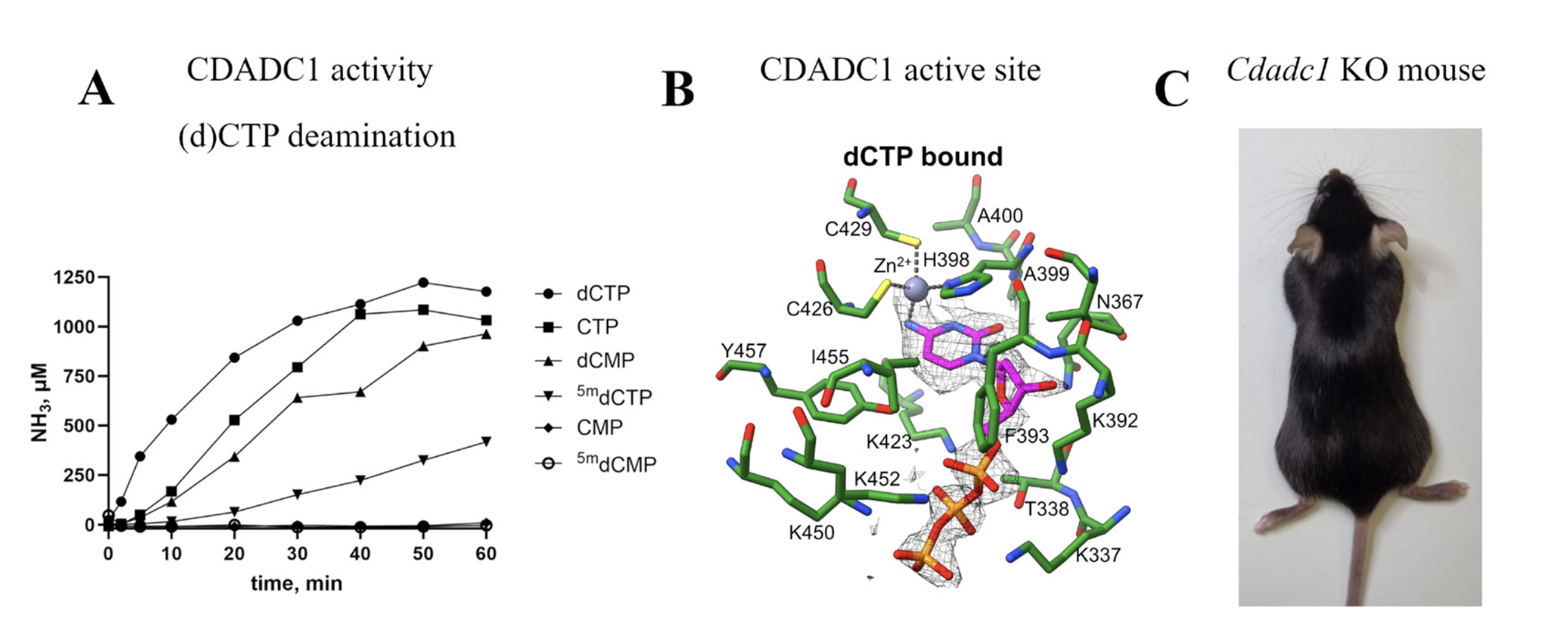
The team studies epigenetics, nucleic acid modifications, and 2'-deoxynucleotide metabolism, as well as their relevance to cell-fate stability and the development of hematological malignancies. The illustration presents the activity, structure, and function of vertebrate CDADC1: its activity as a (d)CTP deaminase, the structural basis of triphosphate specificity, and observations from the Cdadc1 KO mouse model.
About the lab
 |
Matthias Bochtler, PhD, ProfessorCorrespondence address: |
DEGREES
2009 - Professor of Biological Sciences, nomination by the President of the Republic of Poland
2006 - DSc Habil, Institute of Bioorganic Chemistry, Polish Academy of Sciences, Poznań, Poland
1999 - PhD in Biochemistry, Technical University of Munich, Germany
1995 - MSc in Experimental Physics, Munich University, Germany
PROFESSIONAL EMPLOYMENT
2011-present - Professor, Head of Laboratory of Structural in Biology, International Institute of Molecular and Cell Biology in Warsaw, Poland, and Laboratory of Genome Engineering, Institute of Biochemistry and Biophysics, Polish Academy of Sciences,Warsaw, Poland
2007-2011 - Part-time Director of Structural Biology, Cardiff University, United Kingdom
2001-2010 - Head, Joint MPG-PAS Junior Research Group, International Institute of Molecular and Cell Biology in Warsaw, Poland
2000 - Patent training, Weickmann & Weickmann
1999-2000 - Postdoctoral Fellow, Max Planck Institute of Biochemistry, Martinsried, Germany
RESEARCH TRAINING
1996-1999 - Research Assistant, Max Planck Institute of Biochemistry, Martinsried, Germany
1995-1996 - Internship, Medical Microbiology, University of Regensburg, Germany
1992-1993 - Guest Student, Cambridge University, United Kingdom
1990-1992 - Studies in Physics, Munich University, Germany
HONORS, PRIZES AND AWARDS
2023 - Minister of Education and Science Award for significant achievements in scientific activities
2023 - Włodzimierz Krzyżosiak Distinction awarded by the Polish Academy of Sciences
2018 - TEAM Foundation for Polish Science
2018 - International Academic Partnerships Programme, Polish National Agency for Academic Exchange
2018 - DAINA, National Science Centre
2015 - HARMONIA, National Science Centre
2012 - MAESTRO, National Science Centre
2011 - TEAM, Foundation for Polish Science Professor Stefan Pieńkowski Award
2004 - EMBO/HHMI Young Investigator Award
2000 - Crystal Award, Germany
1998 - Crystal Award Germany
1990 – 1992 - Scholarship from Deutsche Studienstiftung and Bavarian State
DOCTORATES DEFENDED UNDER LAB LEADER’S SUPERVISION
R. Filipek, M. Firczuk, M. Lipka, R. Szczepanowski, M. Kaus-Drobek, M. Sokołowska, G. Chojnowski, H. Korza, M. Wojciechowski, W. Siwek, P. Haniewicz, A.A. Kazrani, K. Mierzejewska.
Group members
Head of Laboratory
Prof. Matthias Bochtler
Senior Researcher
Honorata Czapińska, PhD, DSc Habil.
PhD students
Nashat Akhtar, MSc
Terry Karimi, MSc
Research Specialist
Natalia Leśniowska, MSc
Lab Technician
Julia Kędzierska, MSc
Volunteer
Dominik Rafalski, PhD
Laboratory Support Specialist
Katarzyna Grzelak, PhD
Contact
Laboratory of Cell Biology
- Leader
- Marta Miączyńska, PhD, Professor
Leader
We study the functional links between two key intracellular processes: endocytosis and receptor signaling. We seek to understand how cells take up, transport, sort, and process different substances and signals, and how these rules of cellular logistics change under pathological conditions, such as cancer or selected rare diseases. We focus particularly on ESCRT complexes and AXL-dependent macropinocytosis, because disturbances in these processes may reveal vulnerabilities that can be exploited in targeted therapies.
Research Summary
We are fascinated by how endocytosis and receptor signaling cooperate in healthy cells and in disease states. We investigate how endosomal compartments influence receptor trafficking and signaling, and how alterations in these processes support cancer progression or contribute to the pathogenesis of rare genetic diseases.
One major research direction concerns the roles of endosomal sorting complexes required for transport, or ESCRT complexes, in cell physiology and oncogenesis. We have shown that endosomal dysfunction caused by loss of proper ESCRT function induces three types of cellular responses: sterile inflammatory signaling, lysosome biogenesis, and metabolic reprogramming towards enhanced use of extracellular nutrients. Together, these findings demonstrate a broad role of ESCRT complexes in coordinating membrane trafficking, signaling, and metabolism.
The synthetic lethality we identified between two paralogous ATPases of the ESCRT machinery, VPS4A and VPS4B, has uncovered a new pair of potential therapeutic targets for personalized oncology. We also investigate how mutations in ESCRT components found in rare neurological disorders alter cellular functions and may underlie disease pathogenesis.
In a separate line of research, we focus on macropinocytosis, one of the least characterized routes of endocytic cargo internalization. This pathway is nevertheless crucial for nutrient acquisition by cancer cells. We discovered that the AXL receptor tyrosine kinase, a receptor frequently overexpressed in late-stage and therapy-resistant cancers, is a potent inducer of macropinocytosis.
Upon activation by its ligand GAS6, AXL drives extensive actin cytoskeleton remodeling, promoting the formation of dynamic membrane ruffles. These ruffles extend and close to generate macropinosomes - large, irregular vesicles containing extracellular fluid and associated cargo, such as nutrients, growth factors, and membrane receptors. Newly formed macropinosomes subsequently mature through sequential fusion and fission events with endosomal compartments, enabling the sorting, degradation, or recycling of internalized material. Building on our identification of AXL-interacting proteins, we are currently characterizing the effectors and regulators that mediate macropinocytosis.
Scientific Impact
Our studies provide proof of concept that intracellular trafficking and the molecules regulating it can represent viable therapeutic targets in personalized oncology. For example, the synthetic lethality between VPS4A and VPS4B ATPases provides a rationale for developing VPS4 inhibitors for the precision treatment of VPS4B-deficient cancers.
At the same time, our ongoing studies of AXL-dependent macropinocytosis aim to uncover ways of blocking this process in metastatic and drug-resistant cancers with AXL overexpression. Work on mutations in ESCRT components found in rare neurological diseases also helps explain how disrupted cellular logistics can translate into pathology at the cellular and tissue levels.
Future Goals
We wish to understand how altered expression or mutations of ESCRT components, observed in cancer and some rare diseases, modify cell physiology. In parallel, we aim to elucidate the mechanisms and effector proteins by which the activated AXL receptor drives macropinocytosis and fuels cancer-cell growth.
Collaborations
We collaborate with partners from IIMCB and external institutions within the HERO consortium project, which aims to develop the next generation of mRNA-based cancer immunotherapies. Prof. Marta Miączyńska also coordinates the research area focused on advanced models of rare diseases in RACE-PRIME, a project aimed at developing innovative therapeutic strategies for diseases where current treatment options remain inadequate or unavailable.
Comment
In 2024-2025, we continued to study the principles of cellular logistics: how cells take up and transport various substances within their interior, and which signals initiate these processes. Our aim was to understand how these trafficking rules are altered in disease, for example, in cancer cells with increased metabolic demands or in cells carrying mutations that cause rare genetic disorders. We believe that elucidating these underlying mechanisms can ultimately guide the development of new therapeutic strategies. - Prof. Marta Miączyńska
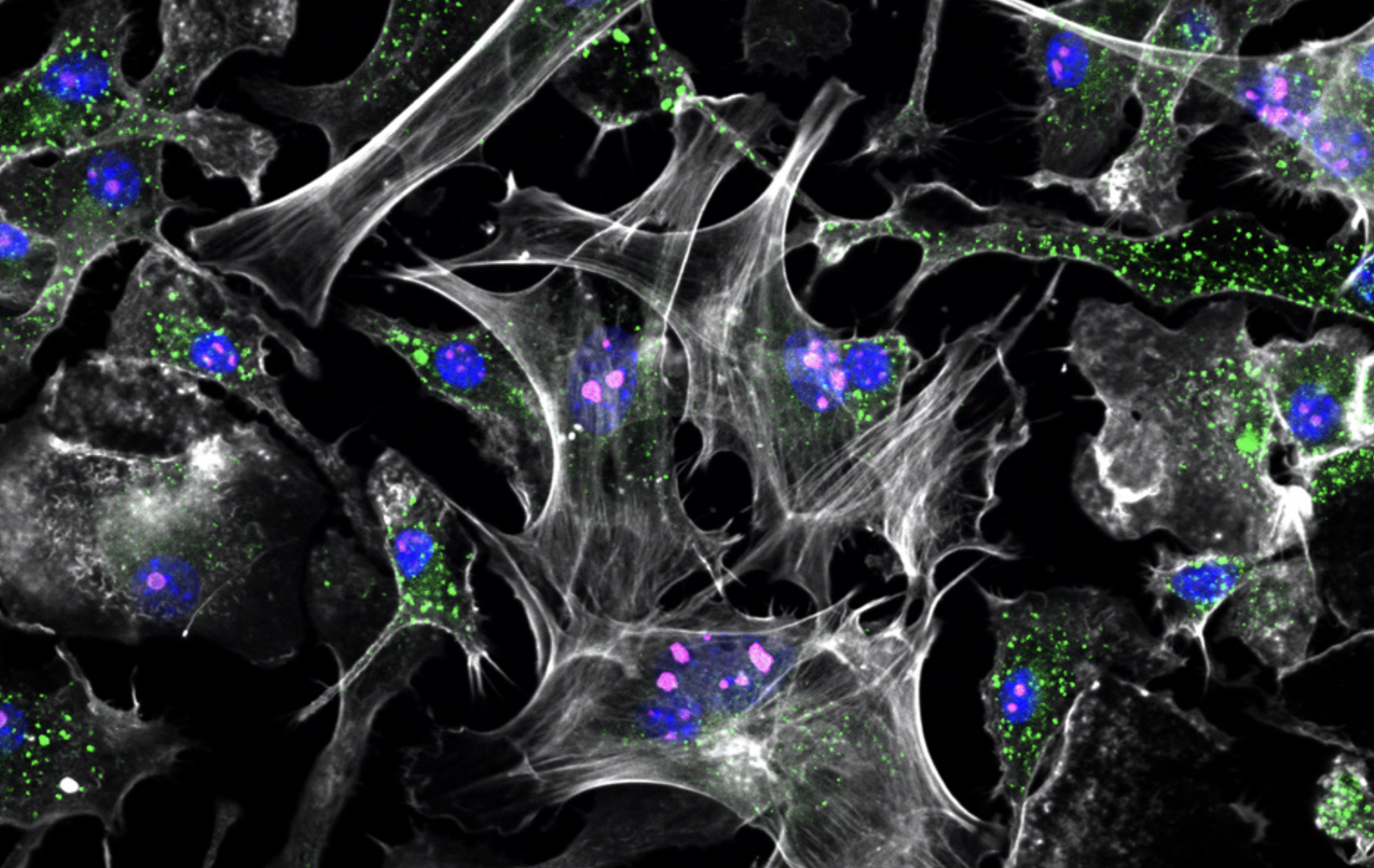
Murine bone marrow-derived macrophages cultured in vitro. Nuclei are stained blue, endosomes green, nucleoli magenta, and actin gray. Image by Patrycja Daszczuk.
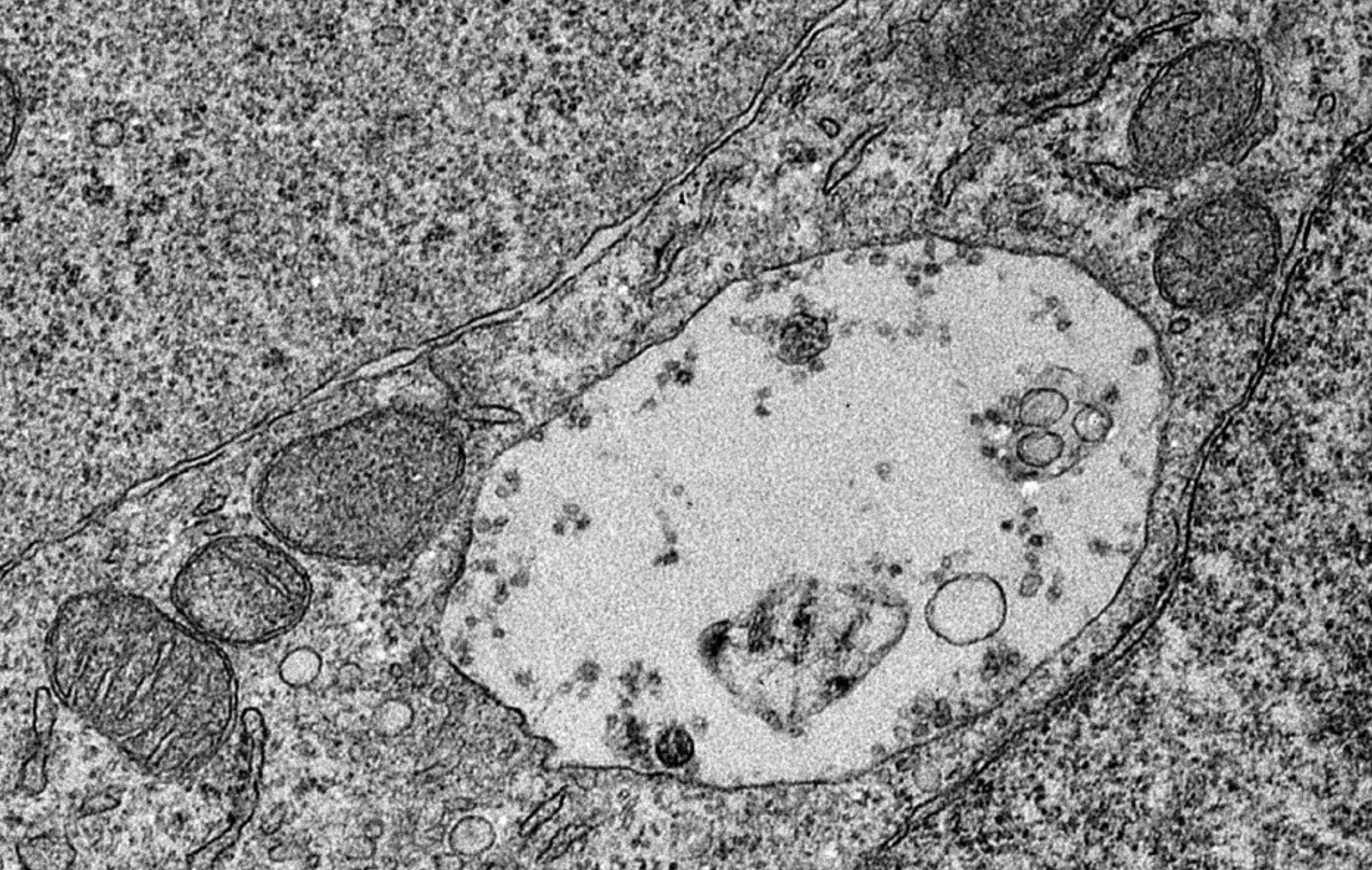
Transmission electron microscopy image of membrane organelles - a multivesicular endosome containing internal vesicles and mitochondria - in a HEK293 cell. Image by Ewelina Szymańska, Matylda Macias, Aleksandra Szybińska.
About the lab
 |
Marta Miączyńska, PhD, ProfessorCorrespondence address: |
DEGREES
2013 - Professor of Biological Sciences, nominated by the President of the Republic of Poland
2008 - DSc Habil in Cell Biology, Nencki Institute of Experimental Biology, Polish Academy of Sciences, Warsaw, Poland
1997 - PhD in Genetics, University of Vienna, Austria
1993 - MSc in Molecular Biology, Jagiellonian University, Cracow, Poland
1991 - BSc in Biological Sciences, University of Wolverhampton, UK
PROFESSIONAL EMPLOYMENT
2018-present - Director, International Institute of Molecular and Cell Biology in Warsaw, Poland
2014-2015 - Deputy Director for Science, International Institute of Molecular and Cell Biology in Warsaw, Poland
2013-2014 - Deputy Director, International Institute of Molecular and Cell Biology in Warsaw, Poland
2005-present - Professor, Head of Laboratory of Cell Biology, International Institute of Molecular and Cell Biology in Warsaw, Poland
RESEARCH TRAINING
2001-2005 - Senior Postdoctoral Fellow, Max Planck Institute for Molecular Cell Biology and Genetics (MPI-CBG), Dresden, Germany
1997-2000 - Postdoctoral training, European Molecular Biology Laboratory, Heidelberg, Germany
1993-1996 - PhD studies, Institute of Microbiology and Genetics, University of Vienna, Austria
1990-1991 - Exchange Student, University of Wolverhampton, UK
HONORS, PRIZES AND AWARDS
2024 - Vice Chair of the EMBO Council
2024 - Co-Chair of EU-LIFE Alliance
2021 - Prime Minister's Award for outstanding scientific achievements
2021 - Member, EMBO Council
2020 - Corresponding Member, Polish Academy of Sciences
2019 - Member, Academia Europaea
2017 - Member, European Molecular Biology Organization
2016-2018 - Member, Council of the National Science Centre
2016 - TEAM, Foundation for Polish Science
2012 - MAESTRO, National Science Centre
2011 - Polish-Swiss Research Programme grant
2007 - Habilitation Fellowship of L’Oréal Poland for Women in Science
2006-2012 - International Senior Research Fellowship, Wellcome Trust
2006-2010 - International Research Scholar, Howard Hughes Medical Institute, USA
2006-2010 - Partner Group grant, Max Planck Society, Germany
2001-2004 - Postdoctoral Fellowship, Max Planck Society, Germany
1999-2000 - Long-Term Postdoctoral Fellowship, Human Frontier Science Program Organization
1998-1999 - Erwin Schrödinger Postdoctoral Fellowship, Austrian Science Fund
1993-1996 - Bertha von Suttner PhD Scholarship, Austrian Ministry of Science
1990-1991 - Studentship, European Community Tempus Scheme
DOCTORATES DEFENDED UNDER LAB LEADER’S SUPERVISION
M. Olchowik, A. Urbańska, A. Hupałowska, Ł. Sadowski, A. Mamińska, A. Toruń, K. Jastrzębski, M. Maksymowicz, K. Wojciechowska, A. Poświata, M. Wróbel.
Group members
Lab Leader:
Marta Miączyńska, PhD, Professor
Senior Researcher:
Ewelina Szymańska, PhD
Postdoctoral Researchers:
Patrycja Daszczuk, PhD
Ranjana Maurya, PhD
PhD Students:
Marta Chwałek, MSc
Malwina Grębowicz-Maciukiewicz, MSc
Bartosz Jary, MSc
Zuzanna Miciak, MSc
Research Assistant:
Agnieszka Świstek, MSc
Master's Students:
Anna Witowska (BSc)
Lab Technician:
Monika Matuszczyk (part-time)
Laboratory Support Specialist:
Renata Wyszyńska, MSc