




Rare diseases under the microscope: IIMCB scientists analyze 267 receptors that control protein fate
Why can a mutation in a single gene disrupt brain development, muscle activity or the functioning of multiple organs? Part of the answer lies in the substrate receptors of cullin–RING ligases — proteins that help cells recognize other proteins destined for removal or regulation. When a gene encoding such a receptor is altered, this precise protein-control system can malfunction: the cell may remove the wrong proteins, fail to degrade those it should, or disrupt other processes essential to its function. Such mechanisms may underlie some rare diseases.
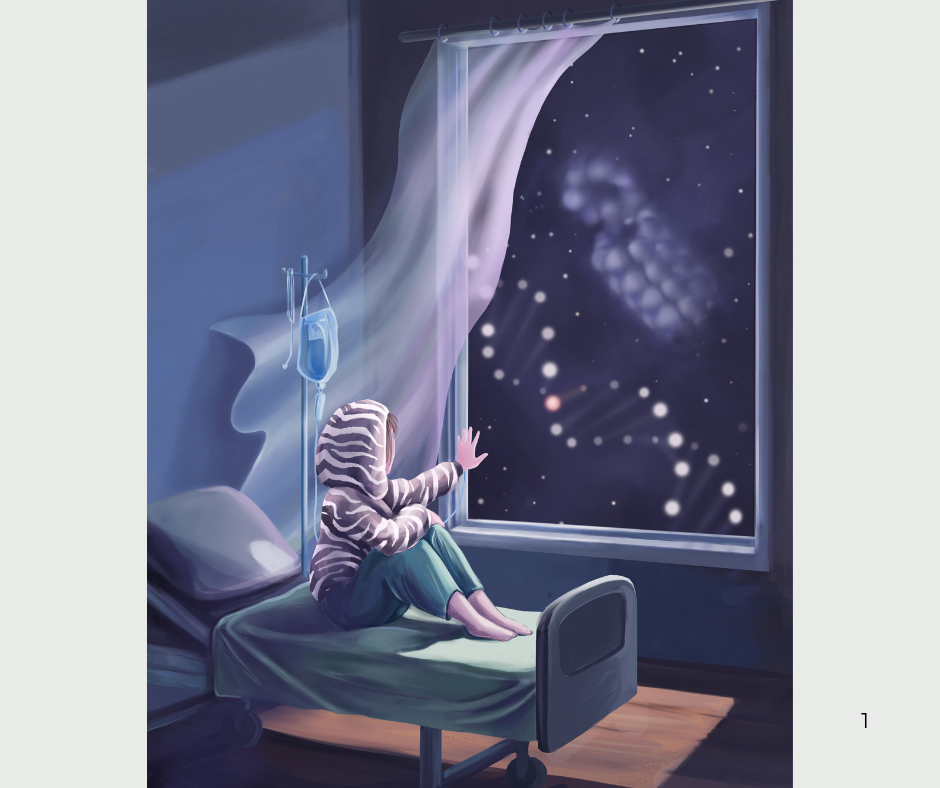
Scientists from the International Institute of Molecular and Cell Biology in Warsaw (IIMCB) have created the first systematic catalog of these receptors and analyzed how their genetic variants may translate into disease symptoms. Their review article was featured on the cover of Trends in Cell Biology.
“In rare diseases, we often identify a variant in a particular gene without immediately understanding its biological consequences. Our work shows that when such a variant affects a substrate receptor, it can disrupt protein recognition, impair the ligase complex, or disturb other cellular processes important for the organism's development and function. This makes it easier to connect a genetic change with the disease mechanism and understand why it leads to particular symptoms,” says Prof. Wojciech Pokrzywa, Head of the Laboratory of Protein Metabolism at IIMCB.
Cells have their own selection system. When it fails, the consequences can be severe.
Cells constantly control the fate of their proteins. They remove proteins that are worn out or no longer needed, but can also alter their activity, localization, or interactions with other molecules. The ubiquitin–proteasome system plays a key role in this process. Its enzymes tag selected proteins with ubiquitin, which acts as a molecular label. Depending on the type of tag, a protein may be directed for degradation by the proteasome — the cell’s molecular “shredder” — or subjected to another form of regulation.
Cullin–RING ligases belong to the largest family of E3 enzymes responsible for attaching these tags. Their precision depends on substrate receptors, which recognize the specific proteins that the ligase acts upon. The IIMCB scientists focused their work on the role of these receptors in genetic diseases.
The authors combined data on receptors’ function, tissue expression and associations with different types of disease. They found that neurodevelopmental and neuromuscular symptoms are particularly common in diseases linked to these receptors, even though most of the receptors do not show clearly tissue-specific expression.
Their analyses therefore indicate that the clinical presentation cannot be explained solely by the sites of protein expression. Instead, other important factors may include the substrates they recognize, gene activity at different stages of development, the vulnerability of particular cell types, gene dosage and the effect of a specific variant on the function of the entire cullin–RING ligase complex.
267 receptors, 93 linked to genetic diseases
“We created the first systematic catalog of 267 cullin–RING ligase substrate receptors, 93 of which have already been linked to genetic diseases. This resource can serve as a reference point for research into rare diseases and the ubiquitin–proteasome system. It can help identify further potential disease genes and interpret variants detected in patients. It also facilitates studies into why different mutations in the same gene can produce different symptoms and disease courses. The catalog may also help reconstruct networks of relationships between receptors, their substrates, and other ligases, which is important for understanding why cells can sometimes compensate for the effects of a mutation, while in other cases disease develops,” says Natalia Szulc, a PhD student in the Laboratory of Protein Metabolism at IIMCB and the first author of the article.
A starting point for further research and the development of new therapies
“Targeted protein degradation is now an important direction in the development of new therapies. Rare diseases show how precisely the ubiquitin–proteasome system must operate: altering a single component can have serious consequences that emerge only in particular tissues or at specific stages of development. By analyzing variants found in patients, we can better understand which features of substrate receptors determine the function of cullin–RING complexes, which substrate interactions might be amenable to modulation, and where the limitations of therapies based on targeted protein degradation may lie. This provides valuable guidance for designing safer and more precise therapeutic strategies,” adds Prof. Pokrzywa.
The article, “Cullin-RING receptors in rare disease biology,” was published in Trends in Cell Biology.
DOI: 10.1016/j.tcb.2026.01.003. Link to the publication: Cell Press.
What the Trends in Cell Biology cover depicts
Inspired by Edward Hopper’s painting Morning Sun, the cover depicts a woman sitting in a hospital bed, looking out at the night sky. Her striped hoodie evokes the zebra, a symbol of the rare disease community. This symbol comes from the medical saying that when doctors hear hoofbeats, they should first think of horses rather than zebras. In the context of rare diseases, the zebra serves as a reminder that symptoms may sometimes be caused by a rare condition that is difficult to diagnose.
The stars outside the window form a DNA helix, with one subtly illuminated star representing a disease-causing genetic variant. A proteasome-shaped cloud floats across the night sky, directly referring to the central theme of the article: rare diseases associated with the ubiquitin–proteasome system.
The figure’s posture, gaze, and hand reaching towards the window are intended to convey the emotions experienced by people living with rare diseases: uncertainty, loneliness, strength, and hope that a better understanding of the molecular basis of disease will pave the way for more accurate diagnoses and new therapies. Patrycja Jaszczak created the cover artwork.
A review article is a scientific paper that summarises and analyses the existing state of knowledge on a particular subject. Like an original research article reporting new experimental findings, it undergoes the same peer-review standards.