


We are happy to announce that today's lecture by Prof. A. Dziembowski entitled "Origin of molecular biology, plasmids, restriction enzymes, ligases. Modern cloning techniques" inaugurated the year-long course organized by the International Institute of Molecular and Cell Biology in Warsaw within the framework of the Warsaw-4-PhD Doctoral School in the 2022/2023 academic year.
This lecture is one of 30 to be delivered as a part of the year-long course. The title of the course is: "Methodological Advances in Molecular and Structural Biology." The coordinators of the course for PhD students are Prof. J.Bujnicki, Prof. A.Dziembowski and Prof. G.Michlewski, who, together with invited internal and external experts, will carry out the entire series. They will present scientific methodology and give introduction to a series of advanced techniques used in the International Institute of Molecular and Cell Biology in Warsaw in the fields of:
- molecular biology (genetic engineering, sequencing, data analysis in genomics and transcriptomics);
- protein and RNA biochemistry as well as macromolecular interactions;
- structural biology and biophysics of proteins and nucleic acids and structural bioinformatics.
The entire training will cover two semesters, summer and winter, and will end with an exam in June 2023. Below is the program for the entire training course.
{gallery}Warsaw4PhD-opening-lecture{/gallery}
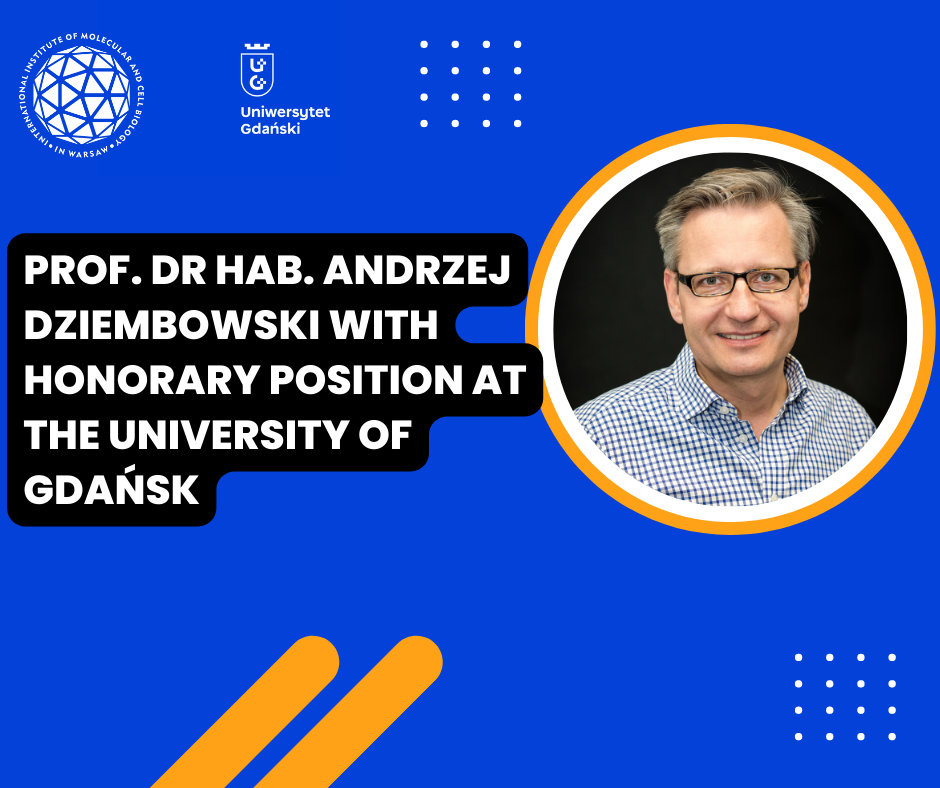
We are pleased to announce that Professor Andrzej Dziembowski, Head of the Laboratory of RNA Biology - ERA Chairs Group, has been awarded with an honorary position at the University of Gdansk. He will hold an honorary professorship named after Prof. Szybalski for the academic year 2022/2023. Congratulations!

The key message of the article is the discovery of the phenomenon of A-to-I RNA editing, which entails the modification of the RNA genetic code from that encoded in the DNA, in the zebrafish. It was also found that this process is necessary for proper embryonic development in the early life of the zebrafish, while it is required for regulating the innate immune response at a later stage of life.
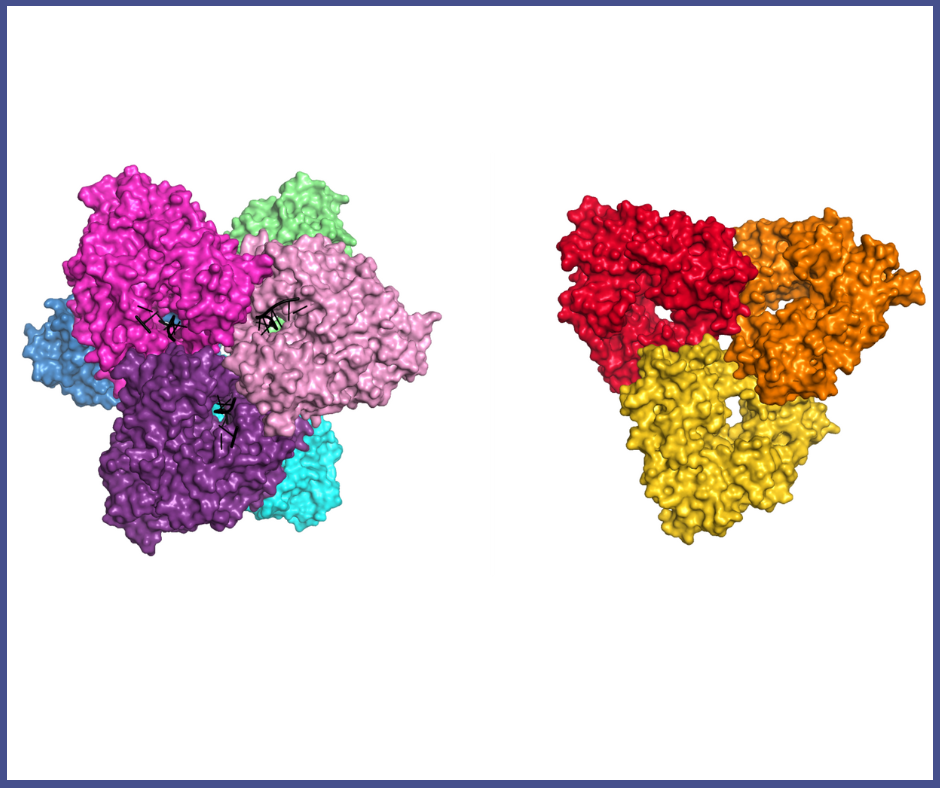
IIMCB researchers from the Laboratory of Protein Structure studied the structures of DNA polymerases AbiK and Abi-P2 that are involved in the defense of bacteria against invading viruses. The structures revealed a very unusual hexameric and trimeric architecture of these enzymes. Based on the set of structures and accompanying biochemical and biophysical analyses, the molecular mechanism of the Abi polymerases was explained.
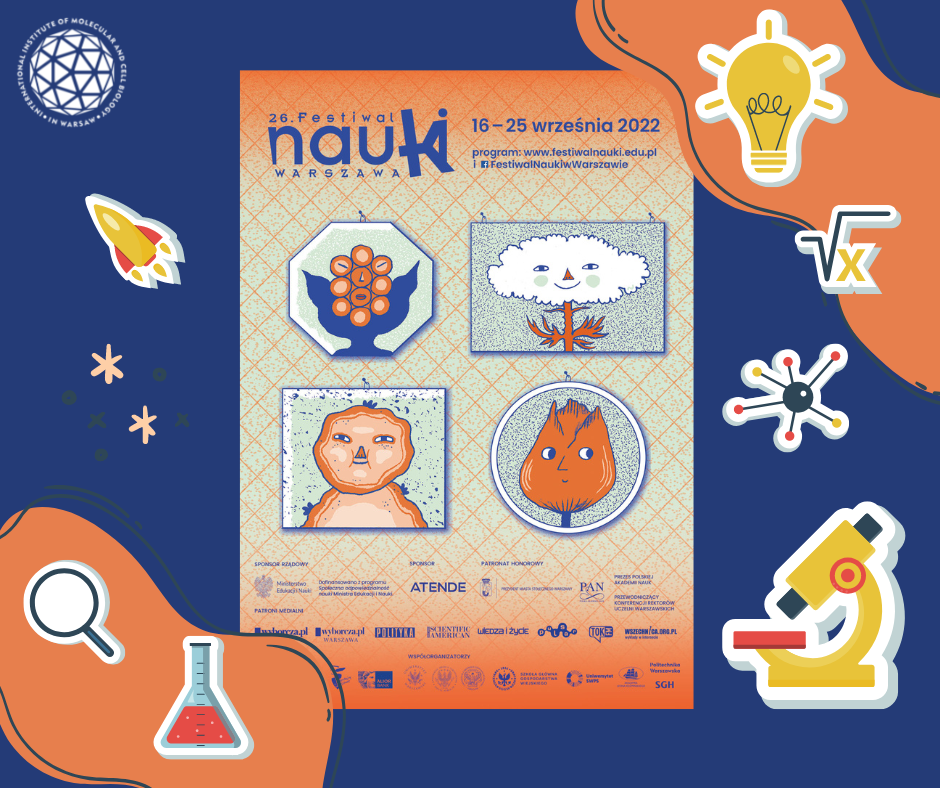
The 26. Science Festival is coming soon! On Monday, September 26, in the International Institute of Molecular and Cell Biology in Warsaw a lot of meetings, lessons and scientific workshops will start as part of the next edition of the Science Festival.
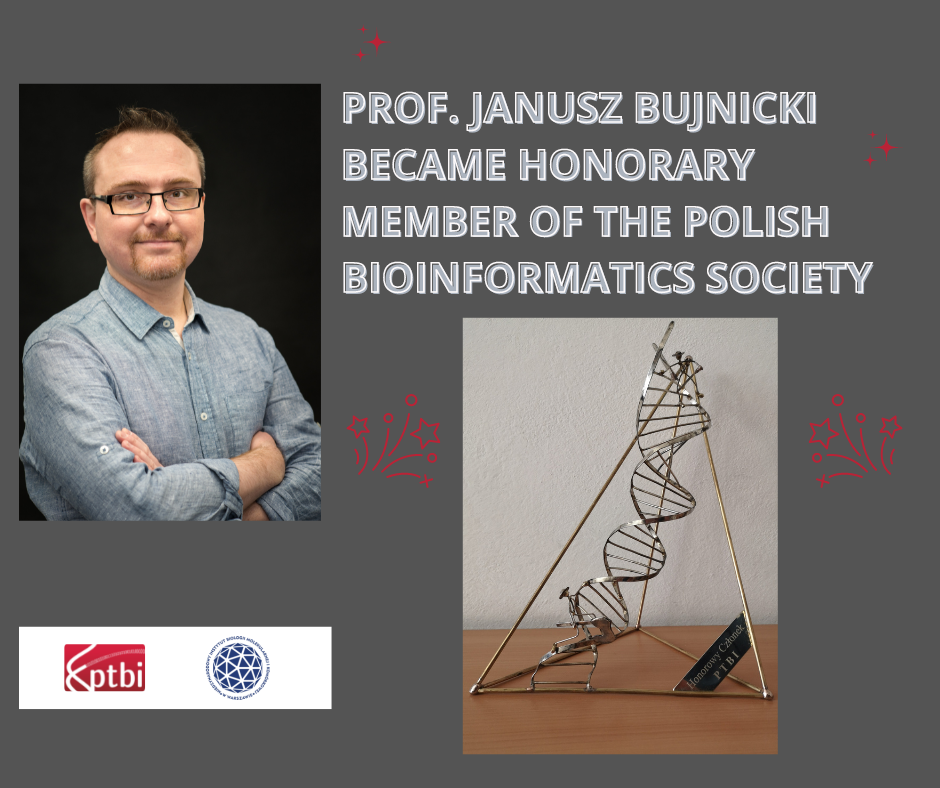
We are pleased to announce that Professor Janusz Bujnicki, head of the Bioinformatics and Protein Engineering Laboratory, has been awarded honorary membership of the Polish Bioinformatics Society (PTBI). Our sincere congratulations!
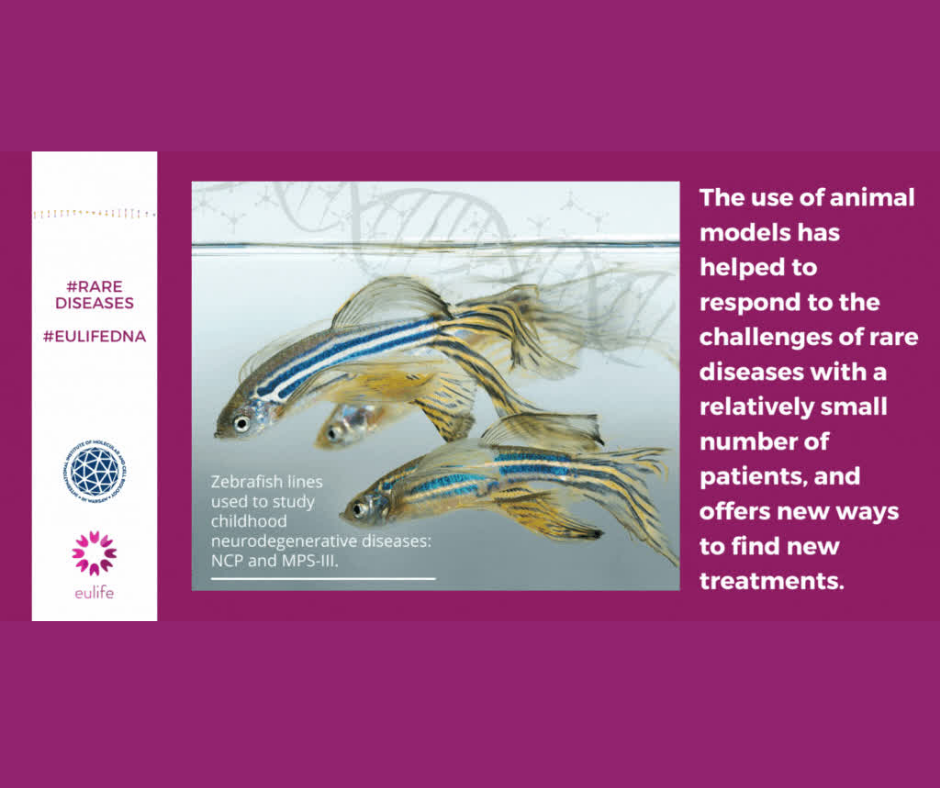
Today was the last day of the DNA 2.0 campaign, which lasted several weeks and was implemented in social media by the EU-Life alliance, with the cooperation of member institutions. Its Polish version can be seen on Twitter and LinkedIn channels on the EU-Life profile.
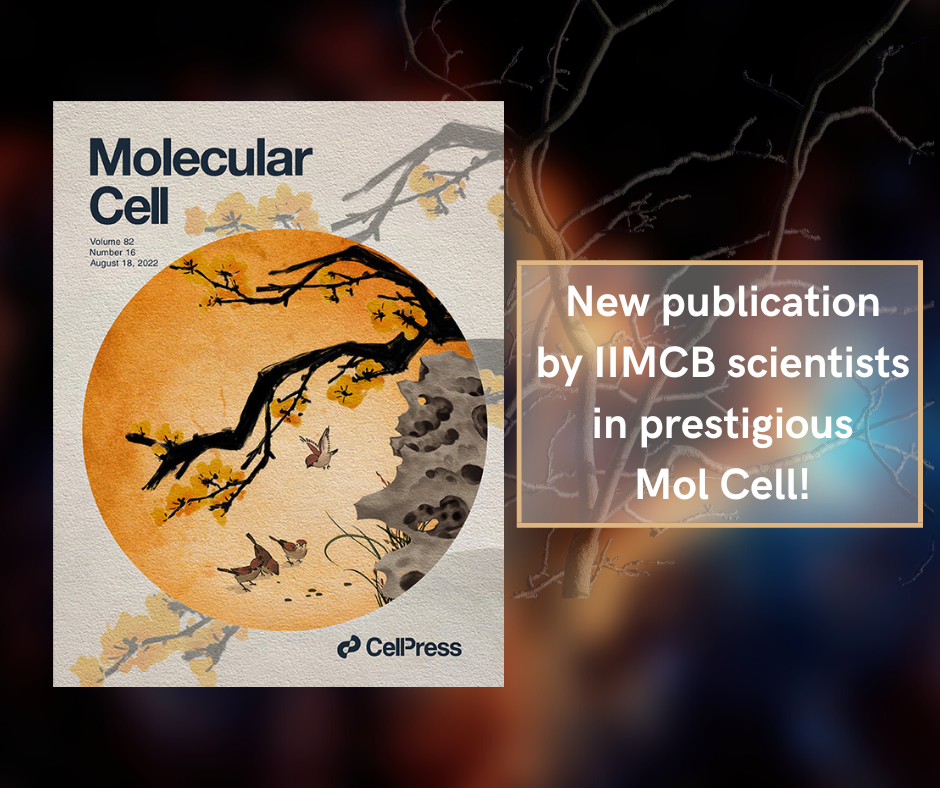
This is the latest publication on the key protein quality control ubiquitin ligase CHIP. Its co-author is Wojciech Pokrzywa, PhD, Dsc Habil, who heads the Protein Metabolism Laboratory. We sincerely congratulate you and recommend your attention.
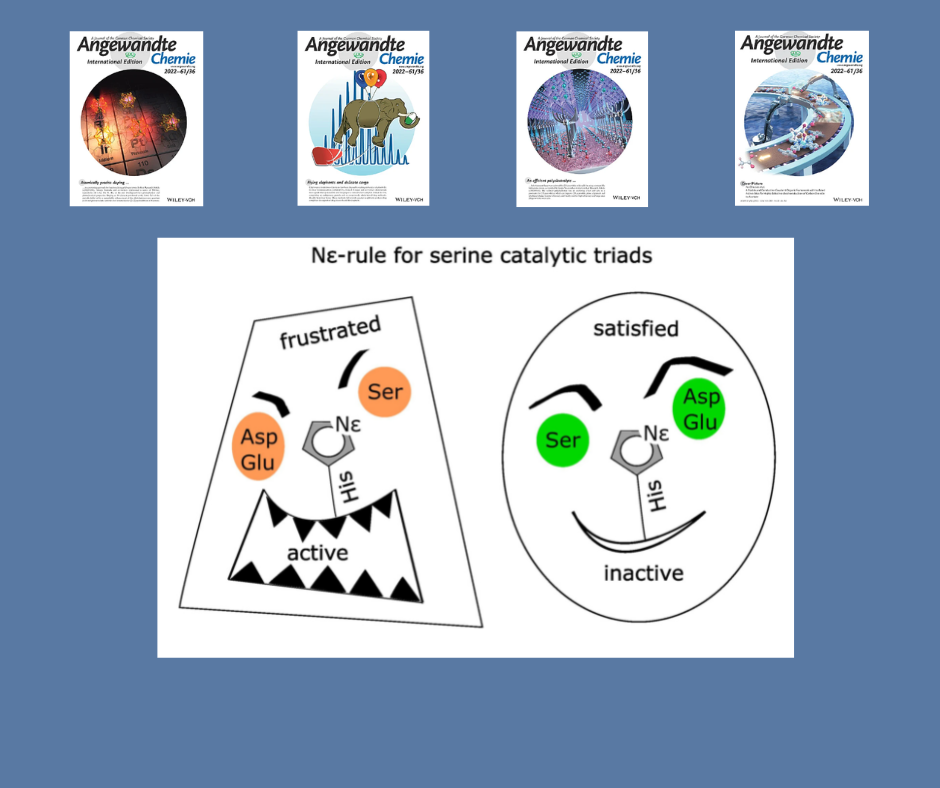
New publication and excellent reviews! An article by Honorata Czapinska, PhD, and Matthias Bochtler, PhD, of the Structural Biology Laboratory, has been published in the prestigious Angewandte Chemie, the journal of the German Chemical Society (GDCh), one of the top chemistry journals in the world. Congratulations to the authors!
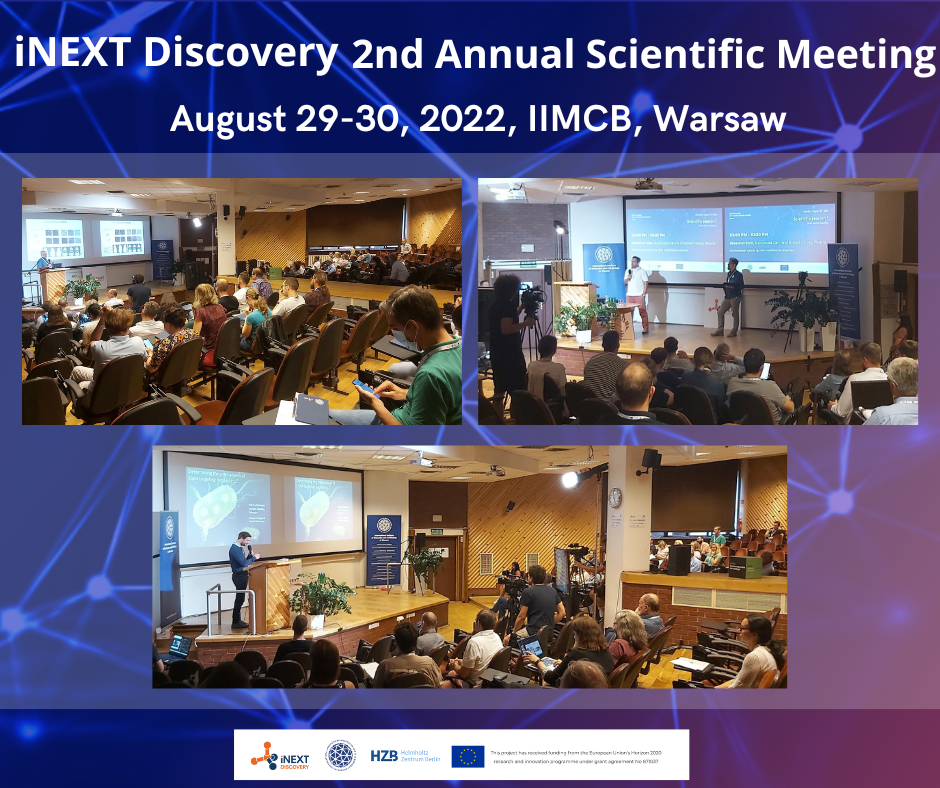
The iNEXT Discovery 2nd Annual Scientific Meeting - is over! During the two-day event, which was attended - stationary and online - by more than 180 people, there were a total of 12 lectures in 4 scientific sessions, two series of short talks with Q&A section and an evening poster session. Special guests were Prof. Brenda Schulman of the Max Planc Institute of Biochemistry and Prof. Leonid Sazanov of the Institute of Science and Technology.