




-
May 9, 2021 - Recruitment announcement published
-
May 24, 2021 - Start of the recruitment
-
June 6, 2021 - Deadline for documents submission
Research projects for admissions 2021/2022-4:
-
Poly(A) tails - central hubs of mRNA stability control, Professor Andrzej Dziembowski
-
Signaling of AXL receptor in cancer cells, Professor Marta Miączyńska, Daria Zdżalik-Bielecka, PhD
-
Poly(A) tails - central hubs of mRNA stability control
Supervisor: Professor Andrzej Dziembowski
Institute: International Institute of Molecular and Cell Biology in Warsaw
Laboratory: Laboratory of RNA Biology
Project description:
Gene expression is regulated at multiple levels. Our lab is interested in the regulation of mRNA stability, especially through the modifications of poly(A) tails. Recently, we have shown that the addition of untemplated uridines to the 3’ end of LINE1 retrotransposons precludes their propagation (Warkocki et al. Cell 2018). Moreover, we have identified a family of poly(A) polymerases TENT5, which reside in the cytoplasm and enhance the expression of mRNAs encoding secreted proteins (Moczek et al. Nature com. 2017; Bilska et al. Nature com. 2020; Gewartowska et al. Cell reports 2021). Those enzymes are differentially expressed in tissues and organs, affecting several aspects of animal physiology. TENT5C is an onco-suppressor in multiple myeloma and control immunoglobulin expression in B cells. TENT5A is essential for collagen secretion, and its mutations lead to congenital bone disease
To study the dynamics of poly(A) tails genome-wide, we have implemented a Direct RNA sequencing Nanopore methodology. It is now widely used in our projects, and we also collaborate with other laboratories interested in post-transcriptional gene expression regulation (for instance, Scheer et al. Nature com. 2021). Moreover, we use Direct RNA sequencing to look globally at the regulation of poly(A) tails (Tudek et al. Nature com., under revision).
In the future, we will continue to study the role and mechanism of action of TENT5 poly(A) polymerases, analyze global control of poly(A) tail lengths and develop bioinformatics tools for Direct RNA sequencing. Finally, we are planning to translate our knowledge out poly(A) tails for the design of mRNAs, which are more stable and better translated, which will be very valuable for mRNA-based therapeutics such as mRNA vaccines.
Aim:
The exact nature of the project will depend on the skills, predispositions, and interests of the selected PhD student. It may focus on:
-
functional analysis of the TENT5A poly(A) polymerases in transgenic mouse models generated in-house using CRISPR/Cas9 methodology
-
mastering of the DRS methodology in either the experimental part or bioinformatic analysis
-
analysis of principles of mRNA stability control and design of more efficient mRNA based therapeutics
Requirements:
-
Master's degree in biology, biochemistry or related field
-
Eligibility for PhD studies in Poland
-
Highly talented individuals who are passionate about research and are full of scientific curiosity
-
Experience in either: molecular biology/transcriptomics, animal models, bioinformatic analysis of transcriptomic data, will be a clear benefit
-
Written and spoken fluency in English
-
Willingness to learn and take new challenges, ability to work independently, analytical thinking
-
Good interpersonal skills and a collaborative attitude.
Number of positions available: 2
Contact: Andrzej Dziembowski
The role of mTOR-Brg1 interaction in normal and aberrant neuronal activity (NCN/MAESTRO)
Supervisor: Professor Jacek Jaworski
Institute: International Institute of Molecular and Cell Biology in Warsaw
Laboratory: Laboratory of Molecular and Cellular Neurobiology
Project description:
Gene expression is key for brain development and function and is regulated by a complex protein apparatus, which, among other things, is responsible for changes in the spatial packing of DNA in the cellular nucleus. mTOR kinase is one of the basic regulators of metabolism Mutations in the mTOR regulating genes, i.e. TSC1 or TSC2 lead to multi-organ diseases with serious neurological and neuropsychological symptoms. One of such diseases is tuberous sclerosis complex characterized by the occurrence of epilepsy, mental retardation and autism spectrum disorders. mTOR acts on many proteins changing their function, but occurs mainly in cytoplasm. However, the results of our previous research and the preliminary data which form the basis of this research proposal indicate that neuronal activity causes mTOR to move to the nucleus of the cell, where it interacts with Brg1. Using advanced molecular, cellular biology and microscopy methods we plan to study how mTOR-Brg1 interaction affects neuronal activity, epileptogenesis and social interactions. The research will use in vitro cultured neurons (rat and human) and Danio rerio. The results will contribute to a better understanding of the role of mTOR in physiology and brain diseases.
Aim:
On the basis of our previous research, we hypothesize that neuronal activity causes mTOR to move to the nucleus, where it regulates the chromatin-modelling complexes and gene expression. At the same time, we hypothesize that this sequence of events is disturbed in tuberous sclerosis complex leading to epilepsy as well as disturbances in social interactions characteristic of autism spectrum diseases. The aim of the project is to verify these hypotheses.
Requirements:
-
Master's degree in biology, biochemistry or related field
-
Eligibility for PhD studies in Poland
-
Good knowledge of basics of molecular and cell biology and/or neurobiology
-
Basic hands-on experience in one of the fields: molecular & cell biology, genetic engineering, fluorescent microscopy, danio rerio animal model
-
Basic programing skills (e.g., R)
-
Written and spoken fluency in English
-
Willingness to learn and take new challenges, ability to work independently, analytical thinking
-
Good interpersonal skills and a collaborative attitude
Number of positions available: 1
Contact: Jacek Jaworski
Signaling of AXL receptor in cancer cells
Supervisor: Professor Marta Miączyńska, auxiliary supervisor Daria Zdżalik-Bielecka, PhD
Institute: International Institute of Molecular and Cell Biology in Warsaw
Laboratory: Laboratory of Cell Biology
Project description:
AXL is a tyrosine kinase receptor that upon activation by its GAS6 ligand regulates cell growth, survival, migration and invasion. Overexpression of AXL occurs in a wide variety of cancer types
and is associated with increased invasiveness and metastasis, as well as resistance of cancer cells to anticancer therapies. In our previous studies, we identified the AXL receptor interactome (a set of proteins with which the receptor interacts) and discovered that AXL binds numerous proteins that regulate actin cytoskeleton dynamics. Through such interactions, activation of AXL receptor stimulates the formation of peripheral and circular membrane ruffles that promote macropinocytosis and ultimately lead to cell invasion (see our manuscript at https://bit.ly/2QfEVpF for more details). Macropinocytosis is a form of endocytosis that allows cells to take up large volumes of extracellular fluid and the compounds dissolved within it. The macromolecules taken up through this pathway can be an important source of nutrients that fuel cancer cell growth. It has been recently proposed that macropinocytosis may also contribute to resistance of cancer cells to chemotherapeutics. We found that proteins in the AXL interactome may be involved in nutrient uptake by macropinocytosis. Elucidating their mechanisms of action in AXL receptor signaling will be the goal of the proposed project.
Aim:
The goal of this project is to investigate the molecular mechanisms of AXL receptor signaling that regulates cancer cell growth. Specifically, we will investigate how the AXL receptor and its ligand GAS6 stimulate uptake of nutrients from the extracellular environment via macropinocytosis.
We will also determine whether and how this phenomenon contributes to drug resistance of cancer cells and, consequently, to the growth of tumors despite the applied therapy.
Requirements:
-
Master's degree in biology, biochemistry or related field
-
Eligibility for PhD studies in Poland
-
Solid understanding of the principles of molecular and cell biology
-
Previous experience in laboratory work and familiarity with basic molecular biology techniques
-
Written and spoken fluency in English
-
Good interpersonal skills and a collaborative attitude
Number of positions available: 1
Contact: This email address is being protected from spambots. You need JavaScript enabled to view it., Daria Zdżalik-Bielecka
RNA-Protein Interactions in Human Health and Disease (NCN/DIOSUCRI)
Supervisor: Gracjan Michlewski, PhD, Professor
Institute: International Institute of Molecular and Cell Biology in Warsaw
Laboratory: Laboratory of RNA-Protein Interactions
Project description:
RNA-binding proteins (RBPs) are key molecules that control gene expression through RNA-protein interactions. Consequently, they contribute to cellular homeostasis, normal development and majority of human diseases. Importantly, new RBPs are being discovered by high-throughput proteomics, but we still have a limited understanding of their function.
RNA viruses have caused several epidemics in the 21st century. Taking influenza A virus (IAV) infection as an exemplar, it kills 250,000 to 500,000 people annually and generates a significant global socioeconomic burden. Importantly the emergence of COVID-19 pandemic caused by an RNA virus SARS-CoV-2 continue to have catastrophic consequences on public health and world economy. Thus, a detailed molecular understanding of host-virus interactions is imperative in order to know how best to inactivate these viruses and prevent major disruptions in the future.
We have recently discovered and started characterising novel RNA binding protein – E3 ubiquitin ligase TRIM25 (Choudhury et al. 2014; Choudhury et al. 2017). TRIM25 belongs to a large family of tripartite motif-containing proteins (more than 80), most of which have E3 ubiquitin ligase activity. Many of TIRIMs are positive or negative regulators of innate immune response pathways. Importantly, TRIM25 is emerging as a key factor in the innate immune response to RNA viruses (including IAV, CoV, dengue virus and many others). Despite the essential involvement of TRIM25 in viral RNA-induced innate immunity, its RNA-binding functions are still poorly understood.
Aim:
With this project, we aim to take advantage of an assembled multi-disciplinary team to uncover the roles of the novel RNA-protein interactions in the antiviral response to selected RNA virus infections. We hypothesise that TRIM25 binds directly to viral RNAs to restrict virus propagation. We also hypothesise that other members from TRIM family bind RNA. Finally, we hypothesise that specific host RBPs bind to virus derived RNAs and inhibit or augment innate immune response. In summary, this project has the potential to make crucial contributions to understanding the innate immune response to RNA viruses and provide a platform for the development of novel, RNA-based antiviral therapeutics.
Requirements:
-
Master's degree in biology, biochemistry or related field
-
Solid knowledge of the principles of cell and molecular biology, virology or biochemistry
-
Hands-on experience in laboratory work and is familiar with basic cell and molecular biology techniques
-
Prior experience in virus handling and analysis, cell culture, mass spectrometry or bioinformatics will be an advantage
-
Proficiency in written and spoken English
-
Excellent interpersonal skills, initiative and ability to work independently and in a high-performance team
Number of positions available: 1
Contact: Gracjan Michlewski
Identifying unique adaptive responses of red pulp macrophages to iron deficiency (NCN/SONATA)
Supervisor: Wojciech Pokrzywa, PhD DSc, auxiliary supervisor, PI: Katarzyna Mleczko-Sanecka, PhD
Institute: International Institute of Molecular and Cell Biology in Warsaw
Laboratory: Laboratory of Iron Homeostasis
Iron deficiency is a global health burden with profound socio-medical impacts, but little is known about how functions of specialized cells are affected by low systemic iron levels. Red pulp macrophages (RPMs) residing in the spleen are responsible for removing aged erythrocytes from the bloodstream. Following erythrocyte lysis, RPMs release iron to the circulation to replenish the pool of serum iron necessary for sustaining erythropoiesis. RPMs are thus critical for maintaining blood and iron homeostasis in the body. Interestingly, it was largely unknown if and how key cellular functions of RPMs are affected by low body iron status. Using a mouse model of nutritional iron deficiency, we uncovered that iron deficiency triggers specific but still elusive signaling mechanisms that modulate RPMs’ phagocytic and metabolic functions. We expect that these newly identified responses likely contribute to the adaptation of the whole organism to limited iron supplies. Within our project, we apply both in vivo and in vitro approaches to decipher the molecular mechanism responsible for the adaptive functional ‘rewiring’ of RPMs in iron deficiency and determine their physiological role for the whole organism. The new knowledge generated by this research is expected to significantly advance our understanding of an organism’s adaptation to iron deficiency.
Aim:
We aim to comprehensively characterize the functional adaptation of RPMs to iron deficiency and identify its molecular triggers. We also plan to determine how this ‘rewiring’ affects RPMs’ inflammatory status. We will explore how the abrogation of this ‘adaptation program’ affects the organism, including iron and blood homeostasis. To this end, we will create and characterize new conditional knock-out mice characterized by specific suppression of the RPMs’ adaptation to low iron conditions.
Requirements:
-
Master's degree in biology, biochemistry or related field
-
Eligibility for PhD studies in Poland
-
Interests in molecular aspects of physiology, motivation for experimental work, passion for science, hands-on experience in laboratory work
-
Experience in mouse/rat-based studies or willingness to work with animals
-
Written and spoken fluency in English
-
Willingness to learn and take new challenges, ability to work independently, analytical thinking
-
Good interpersonal skills and a collaborative attitude.
-
Research achievements (eg, publications or manuscripts in preparation) and experience abroad will be of advantage
Number of positions available: 2
Contact: This email address is being protected from spambots. You need JavaScript enabled to view it.



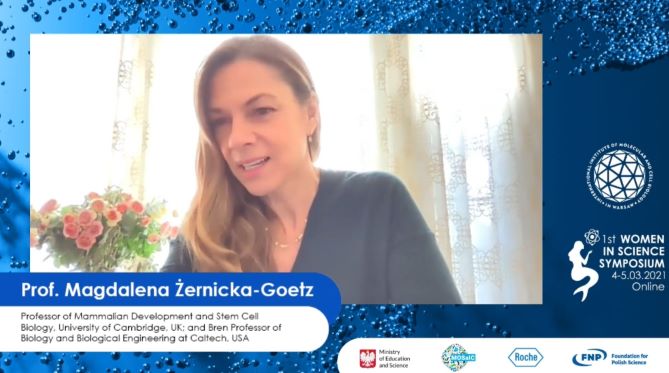

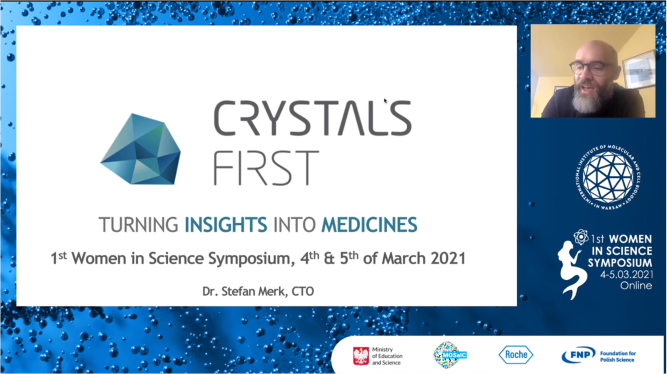





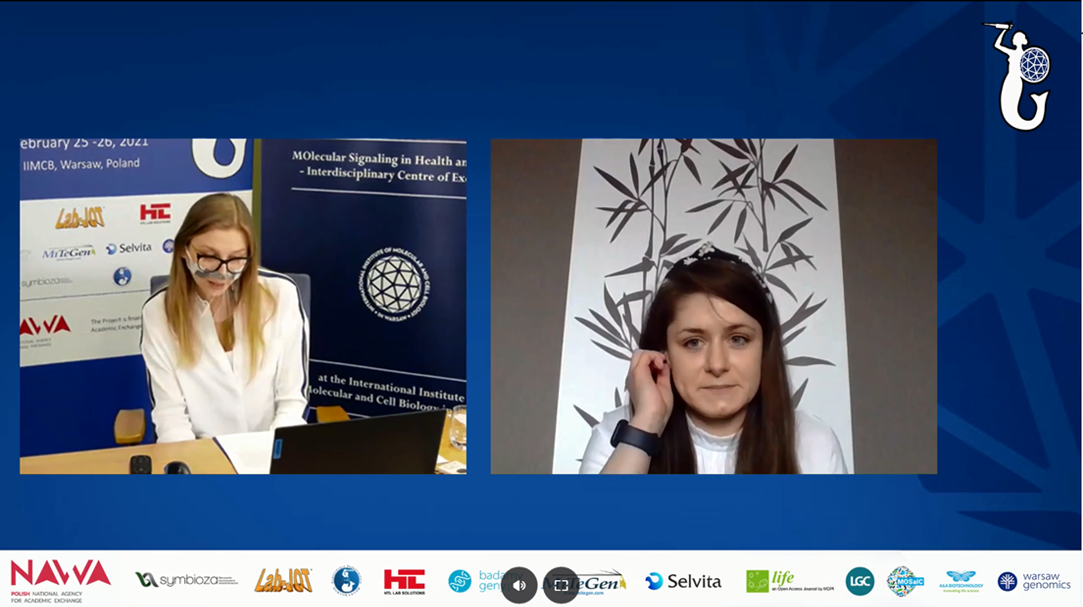
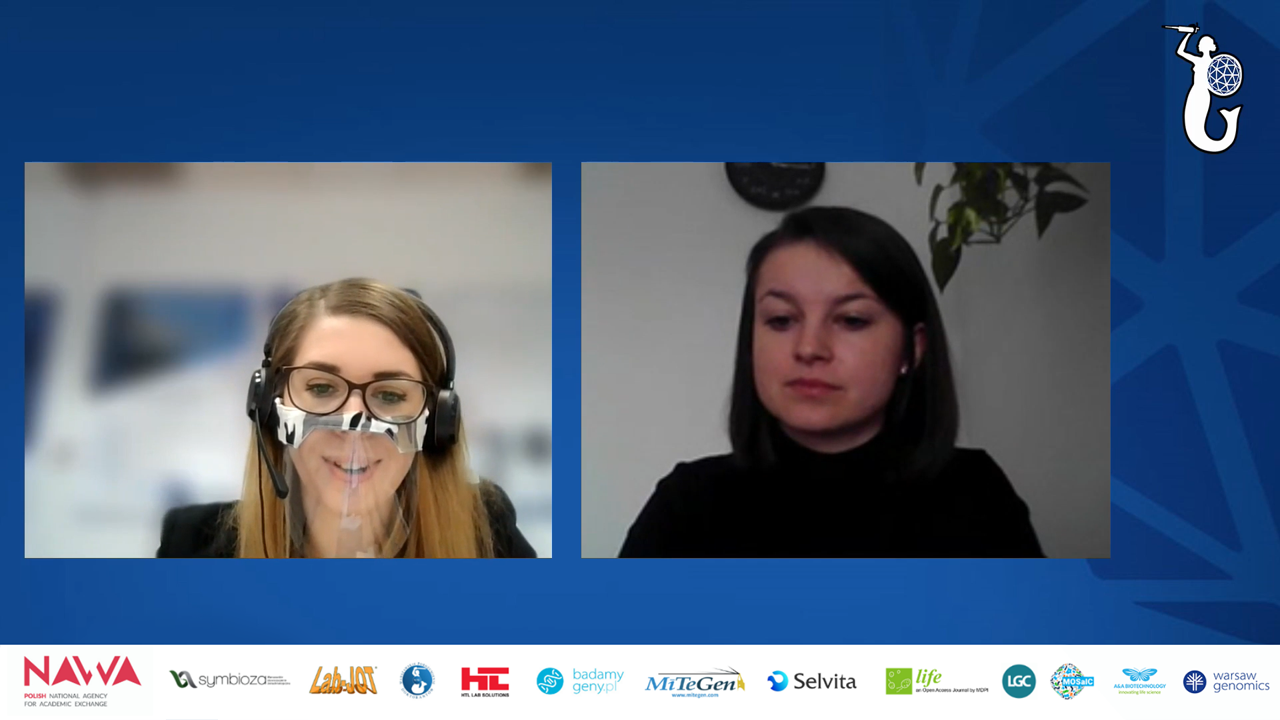
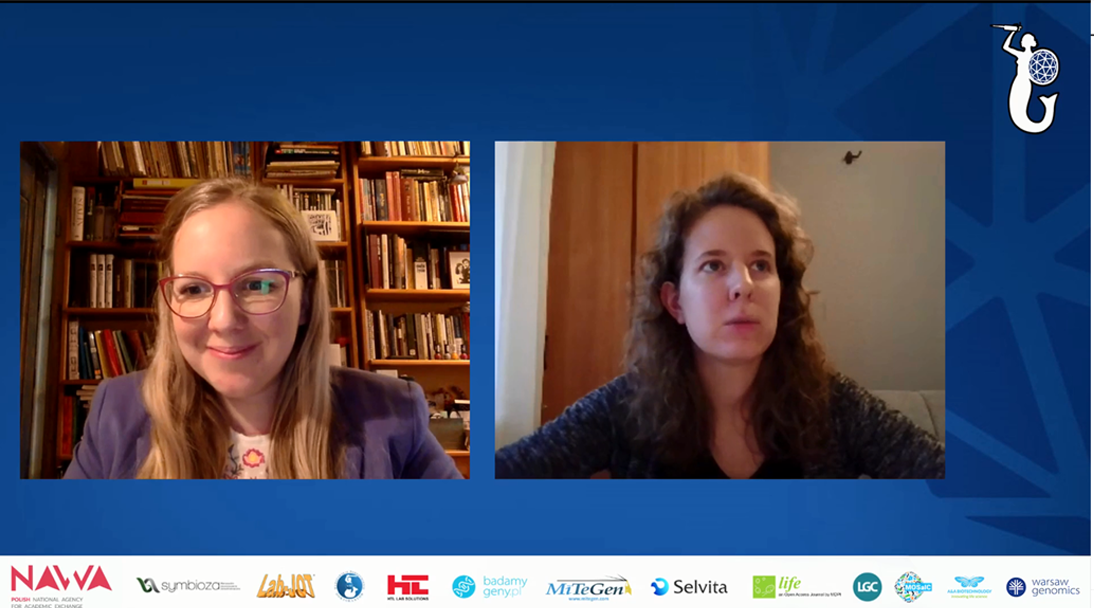
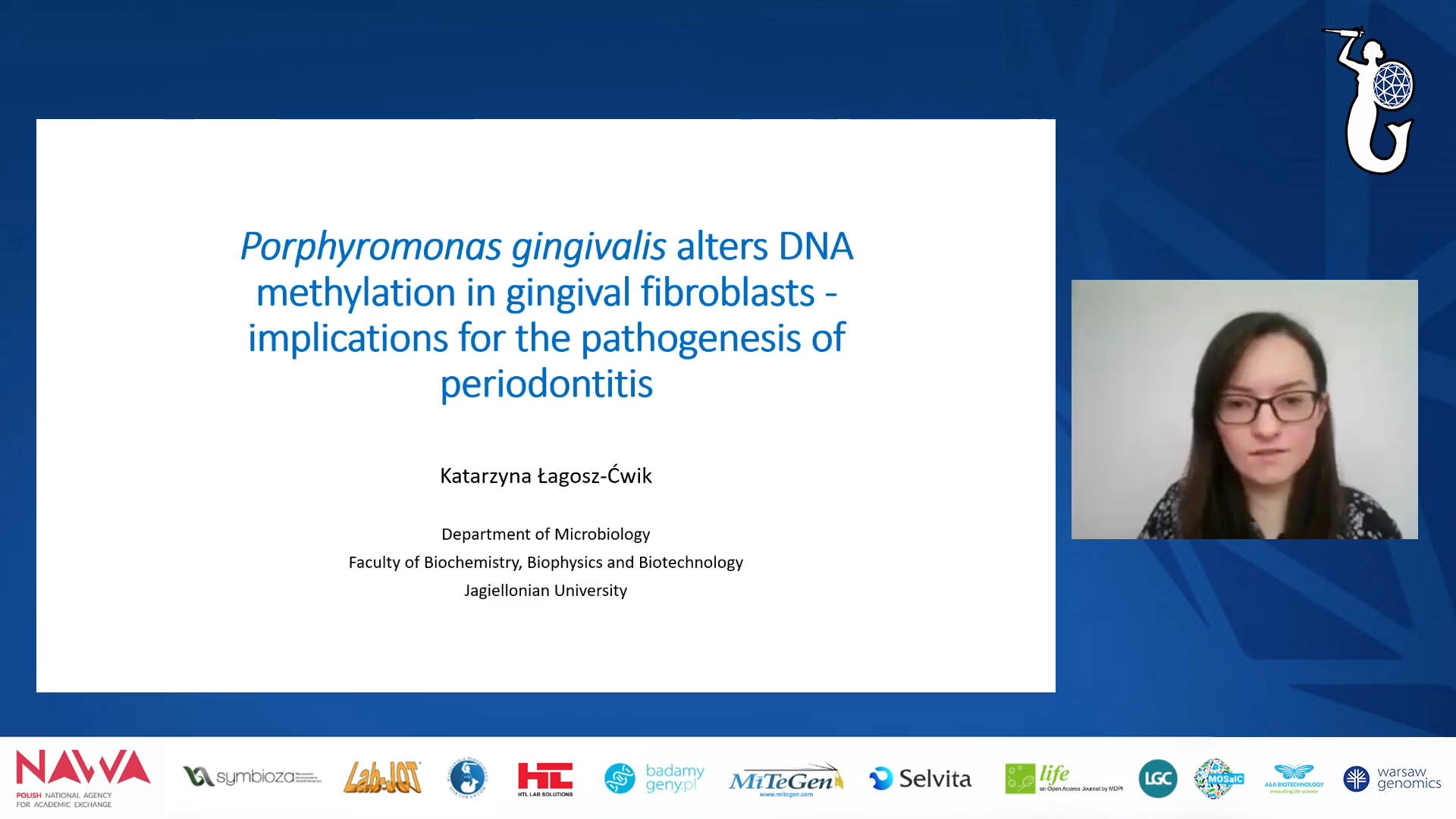
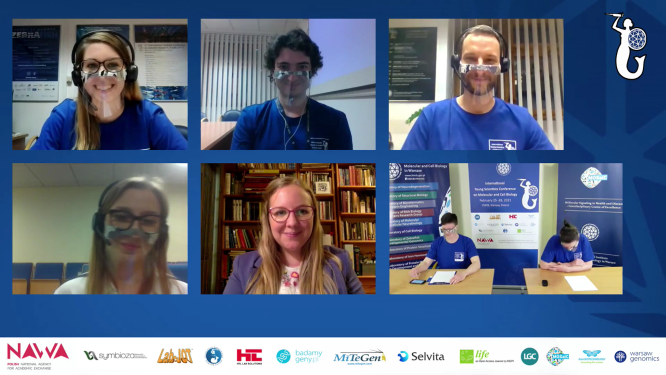
The "Spotlight Talks" meetings are science-based regardless of the field or discipline. The idea is to present projects in an easy way for other people. It's important to increase personal overview of science done in other fields & disciplines and also to learn about cutting-edge tools. There is also a need to connect people holding a plethora of distinct expertise for potentially solving complex scientific challenges in the future.
The talks are usually 15-minutes-long (can be also a bit shorter or longer), followed by discussions, which can be from 10 minutes to more than one hour, depending on the number, length of questions and answers. The speakers are mostly postdocs and senior researchers working in life sciences.
The Spotlight Talks is an initiative jointly organized by the IIMCB postdoc representatives Anna Hojka-Osińska & Andrii Kopach and the IIMCB alumni Anna Bajur (currently affiliated with the King’s College London). This initiative is open – everyone interested to make a contribution for its development is welcome to join us!
All the colleagues developing technologies for life sciences are also warmly welcome! In case if a research group leader or a professor is interested to give a "Spotlight Talk", this will be a greatest honour for us, and we will do our best to advertise the speaker and to organize the meeting perfectly.
01.06.2021 Ogłoszenie o aukcji na sprzedaż zbędnego składnika majątku - cytometru przepływowego BD FACSCalibur
28.04.2021 Ogłoszenie o nieodpłatnym przekazaniu sprzętu
15.03.2021 Ogłoszenie o nieodpłatnym przekazaniu zużytego składnika majątku ruchomego
15.03.2021 INFORMACJA ws. nieodpłatnego przekazania sprzętu ruchomego
-
December 8, 2020 - Recruitment announcement published
-
December 22, 2020 - Start of the recruitment
-
January 5, 2021 - Deadline for documents submission
Research projects for admissions 2020/2021-3:
1. Title: Rac1 contribution to brain connectivity impairments and neuropsychiatric disorders in Tuberous Sclerosis Complex (NCN/OPUS)
Supervisor: Prof. Jacek Jaworski
Auxiliary Supervisor: Justyna Zmorzyńska, PhD
Institute: International Institute of Molecular and Cell Biology in Warsaw
Laboratory: Laboratory of Molecular and Cellular Neurobiologylular Neurobiology
During the brain development specific cellular events, including establishment of neural polarity, axon elongation, and synapse formation, happen in a temporally and spatially controlled manner to establish connectivity. These temporal and spatial boundaries are created by tight regulation of intrinsic and extrinsic factors. One of major components that may perform this regulation during connectivity development is Rac1 as it links plasma membrane receptors with actin dynamics. Also, mammalian target of rapamycin (mTOR) integrates intra- and extracellular factors. The diseases associated with over-expression of mTOR usually exhibit impairments of the brain development and neuropsychiatric phenotypes that do not necessarily correlate with mutation burden or cannot necessarily be explained by levels of mTOR activation. One of the examples is Tuberous Sclerosis Complex (TSC) in which neuropsychiatric disorders like autism spectrum disorder, intellectual disability, or anxiety do not fully correlate with mTOR expression levels, epilepsy, or tumor burden. Therefore, other molecular pathways must interact with mTOR pathway in order to produce these phenotypes. Our results and preliminary data suggest that Rac1 pathway and its diverse inputs may participate in the regulation of neuropsychiatric disorders in TSC through control of connectivity formation during development. The project will be conducted using zebrafish TSC model.
Aim:
The main objective of this project is to unravel how the interplay between various pathways that converge on Rac1 may participate in the brain connectivity and underlie TSC-associated neuropsychiatric disorders. The project will include behavioral testing, extensive microscopy imaging and image analysis, and transcriptome analysis.
Requirements:
-
Master’s degree in Biology, Biochemistry, Bioinformatics, or related area
-
Solid understanding of the principles of molecular and cellular biology; knowledge on brain development, neuroscience, or computer vision will be a plus
-
Willingness to work with zebrafish animal model
-
Previous laboratory experience in basic molecular biology, biochemistry techniques, and/or imaging experience
-
Prior experience in NGS, and/or working with animal models (mouse or zebrafish), as well as basic programming skills would be an advantage although not essential
-
Ability to communicate fluently in English and a collaborative attitude
Number of positions available: 1
Contact: This email address is being protected from spambots. You need JavaScript enabled to view it.
2. Title: Identification of novel vulnerabilities of VPS4B-deficient cancer cells (NCN/OPUS)
Supervisor: Prof. Marta Miączyńska
Auxilliary Supervisor: Ewelina Szymańska, PhD
Institute: International Institute of Molecular and Cell Biology in Warsaw
Laboratory: Laboratory of Cell Biology
Project description:
One of the key challenges in oncology is to effectively kill cancer cells while leaving healthy cells intact. To meet this goal, precision oncology aims to tailor anti-tumor therapies to individual genetic changes in cancer cells of a given patient. To provide new targets for precision oncology we need to understand the relationship between the genetic alterations of cancer cells and the dependencies (vulnerabilities) they cause.
VPS4A and VPS4B enzymes together with the Endosomal Sorting Complex Required for Transport (ESCRT) machinery are involved in membrane remodeling during e.g. endocytosis, cell division, and plasma membrane repair. In our previous project, we identified VPS4B deficiency as a selective weakness of colorectal cancer cells with chromosome 18q deletion. We also demonstrated that survival of VPS4B-depleted cancer cells depends on the presence of VPS4A and characterized the molecular consequences of simultaneous depletion of VPS4 proteins that lead to cell death (more details in Szymańska et al, EMBO Mol Med, 2020). Very probably, VPS4B deficiency makes cancer cells more vulnerable not only to VPS4A loss but also to other perturbations affecting gene(s) cooperating with VPS4B in cellular processes essential for life.
Aim:
We aim to identify and characterize novel vulnerabilities of VPS4B-deficient cancer cells among candidates selected from datasets of the Cancer Dependency Map Project (Broad Institute). To this end, we will examine the impact of simultaneous depletion of VPS4B and a selected candidate on in vitro and in vivo growth of cancer cells. Further, we will elucidate the consequences of depletion of VPS4B and a candidate for cancer-relevant cellular processes, e.g. endocytosis, cytokinesis and migration.
Requirements:
-
Master's degree in biology, biochemistry or related field.
-
Solid understanding of the principles of cell and molecular biology.
-
Previous experience in laboratory work and familiarity with basic molecular biology techniques.
-
Written and spoken fluency in English.
-
Good interpersonal skills and a collaborative attitude.
Number of positions available: 1
Contact: This email address is being protected from spambots. You need JavaScript enabled to view it.
3. RNA-Protein Interactions in Human Health and Disease (NCN/DIOSUCRI)
Supervisor: Gracjan Michlewski, PhD, DSc
Institute: International Institute of Molecular and Cell Biology in Warsaw
Laboratory: Laboratory of RNA-Protein Interactions
Project description:
RNA-binding proteins (RBPs) are key molecules that control gene expression through RNA-protein interactions. Consequently, they contribute to cellular homeostasis, normal development and majority of human diseases. Importantly, new RBPs are being discovered by high-throughput proteomics, but we still have a limited understanding of their function.
RNA viruses have caused several epidemics in the 21st century. Taking influenza A virus (IAV) infection as an exemplar, it kills 250,000 to 500,000 people annually and generates a significant global socioeconomic burden. Importantly the emergence of COVID-19 pandemic caused by an RNA virus SARS-CoV-2 continue to have catastrophic consequences on public health and world economy. Thus, a detailed molecular understanding of host-virus interactions is imperative in order to know how best to inactivate these viruses and prevent major disruptions in the future.
We have recently discovered and started characterising novel RNA binding protein – E3 ubiquitin ligase TRIM25 (Choudhury et al. 2014; Choudhury et al. 2017). TRIM25 belongs to a large family of tripartite motif-containing proteins (more than 80), most of which have E3 ubiquitin ligase activity. Many of TIRIMs are positive or negative regulators of innate immune response pathways. Importantly, TRIM25 is emerging as a key factor in the innate immune response to RNA viruses (including IAV, CoV, dengue virus and many others). Despite the essential involvement of TRIM25 in viral RNA-induced innate immunity, its RNA-binding functions are still poorly understood.
Aim:
With this project, we aim to take advantage of an assembled multi-disciplinary team to uncover the roles of the novel RNA-protein interactions in the antiviral response to selected RNA virus infections. We hypothesise that TRIM25 binds directly to viral RNAs to restrict virus propagation. We also hypothesise that other members from TRIM family bind RNA. Finally, we hypothesise that specific host RBPs bind to virus derived RNAs and inhibit or augment innate immune response. In summary, this project has the potential to make crucial contributions to understanding the innate immune response to RNA viruses and provide a platform for the development of novel, RNA-based antiviral therapeutics.
Requirements:
-
MSc degree in biology, biochemistry or related field
-
Solid knowledge of the principles of cell and molecular biology, virology or biochemistry
-
Hands-on experience in laboratory work and is familiar with basic cell and molecular biology techniques
-
Prior experience in virus handling and analysis, cell culture, mass spectrometry or bioinformatics will be an advantage
-
Proficiency in written and spoken English
-
Excellent interpersonal skills, initiative and ability to work independently and in a high-performance team
Number of positions available: 2
Contact: This email address is being protected from spambots. You need JavaScript enabled to view it.
4. Title: Cellular adaptation to cold (NCN/GRIEG)
Supervisor: Wojciech Pokrzywa, PhD, DSc
Institute: International Institute of Molecular and Cell Biology
Laboratory: Laboratory of Protein Metabolism
Project description:
Environmental stressors can seriously jeopardize animals’ ability to survive and reproduce. One, potentially dangerous, environmental stressor is acute cold. To counteract cold, affected organisms mount various types of responses, ranging from cold avoidance to adaptation.
The latter strategy is used by hibernating animals, which, in extreme cases, can survive subzero temperatures for many days. Here, we propose to utilize a simple animal model, the nematode Caenorhabditis elegans, as a rapid tool to understand cellular adaptations to cold. We will focus on mechanisms altering the abundance and types of cellular messenger RNAs and proteins, as these kinds of molecules are critical for the live-or-die decision of the cell. In some disease states, like stroke, cooling can facilitate patient’s recovery. Moreover, hibernation is of interest to ageing research, as animals tend to live longer at lower temperatures. Thus, understanding how cells adapt to cold has the potential to influence treatments of human disorders.
Aim:
As a Ph.D. student, you will use the powerful genetic model of Caenorhabditis elegans, which can display a hibernation-like behavior, to determine the mechanism and role of the UCS domain-containing proteins and co-working chaperones in the regulation of cross-talk between translation and proteostasis in the cold. To develop the preliminary results, you will use, e.g., polysome profiling, tissue-specific ribosome imaging, RNA sequencing, in vitro assays on purified proteins, and more.
Requirements:
-
Holds a master’s degree in biology, biochemistry or related field
-
Solid knowledge of the principles of cell and molecular biology, genetics, and/or biochemistry
-
Hands-on experience in laboratory work and familiarity with basic molecular biology techniques
-
Keen interest in translation and proteostasis regulation
-
Prior experience or knowledge of C. elegans or similar model organisms will be an advantage
-
Proficiency in written and spoken English
-
Willingness to learn and take new challenges, ability to work independently, analytical thinking
Number of positions available: 1
Contact: This email address is being protected from spambots. You need JavaScript enabled to view it.
5. Title: Elucidating the epigenetic contribution to cardiovascular lineage specification (NCN/OPUS)
Supervisor: Cecilia Winata, PhD
Institute: International Institute of Molecular and Cell Biology in Warsaw
Laboratory: Laboratory of Zebrafish Developmental Genomics / Zebrafish Developmental Genomics Laboratory
Project description:
One key question in the field of organogenesis relates to how the many types of cells required to make an organ are generated from a pool of progenitor cells with initially similar characteristics. Heart (cardiac) progenitor cells are located close to those that will also generate blood and blood vessels (hemoangiogenic). At very early stages of embryonic development, they express nkx2.5 in common. Subsequently, each type of cells expresses different sets of genes and adopts epigenetic states which signifies their identity. Despite the knowledge that nkx2.5-expressing progenitors could contribute to diverse cell lineage types, several key questions remain unanswered. First, it is unclear at which developmental stage the segregation between cardiac and hemoangiogenic fates begin to occur. Second, the exact pathway and intermediate stages which these progenitors go through during the process of lineage specification are still largely unknown. In addition, despite the knowledge that cardiac transcription factors including Nkx2.5 itself are known to interact with chromatin modifying factors and promote chromatin changes, it is still unknown to what extent epigenetics play a role in driving cell fate decisions at the individual cell level. By tracing the evolution of cellular heterogeneity over time, and at the same time assessing the dynamics of epigenetic landscape at the single cell level, we will elucidate the mechanism of cardiovascular lineage specification.
Aim:
The goal of this project is to elucidate the epigenetic contribution towards the lineage decision of nkx2.5-expressing progenitors into either cardiac or hemoangiogenic lineage. We hypothesize that distinct epigenetic states occur among subpopulations of nkx2.5-expressing progenitors according to their lineage diversification potential. We will profile open chromatin regions at single cell level and determine whether Nkx2.5 plays a role in establishing the epigenetic state by scATAC-seq method (Jia et al., 2018, Nat Commun 9, 4877).
Requirements:
-
Master’s degree in Biology, Biochemistry, or related area
-
Solid understanding of the principles of molecular biology and genetics
-
Previous laboratory experience in molecular biology and/or biochemistry techniques
-
Prior experience in flow cytometry, NGS, and/or working with animal models (mouse or zebrafish), as well as basic programming skills would be an advantage although not essential
-
Ability to communicate fluently in English and has a collaborative attitude
Number of positions available: 1
Contact: This email address is being protected from spambots. You need JavaScript enabled to view it.
For more information please follow:
Resolving conflicts and role of Ombudsmen at IIMCB
-
05/08 - recruitment opens
-
18/08 - deadline for applications
-
7/09 – 17/09 - interviews
-
21/09 – publication of results
Research projects for admissions 2020/2021-2:
Title: Elucidating the epigenetic contribution to cardiovascular lineage specification
Supervisor: Cecilia Winata
Institute: International Institute of Molecular and Cell Biology in Warsaw
Laboratory: Laboratory of Zebrafish Developmental Genomics
Background:
One key question in the field of organogenesis relates to how the many types of cells required to make an organ are generated from a pool of progenitor cells with initially similar characteristics. Heart (cardiac) progenitor cells are located close to those that will also generate blood and blood vessels (hemoangiogenic). At very early stages of embryonic development, they express nkx2.5 in common. Subsequently, each type of cells expresses different sets of genes and adopts epigenetic states which signifies their identity. Despite the knowledge that nkx2.5-expressing progenitors could contribute to diverse cell lineage types, several key questions remain unanswered. First, it is unclear at which developmental stage the segregation between cardiac and hemoangiogenic fates begin to occur. Second, the exact pathway and intermediate stages which these progenitors go through during the process of lineage specification are still largely unknown. In addition, despite the knowledge that cardiac transcription factors including Nkx2.5 itself are known to interact with chromatin modifying factors and promote chromatin changes, it is still unknown to what extent epigenetics play a role in driving cell fate decisions at the individual cell level. By tracing the evolution of cellular heterogeneity over time, and at the same time assessing the dynamics of epigenetic landscape at the single cell level, we will elucidate the mechanism of cardiovascular lineage specification.
Aim:
The goal of this project is to elucidate the epigenetic contribution towards the lineage decision of nkx2.5-expressing progenitors into either cardiac or hemoangiogenic lineage. We hypothesize that distinct epigenetic states occur among subpopulations of nkx2.5-expressing progenitors according to their lineage diversification potential. We will profile open chromatin regions at single cell level anddetermine whether Nkx2.5 plays a role in establishing the epigenetic state by scATAC-seq method(Jia et al., 2018,Nat Commun9, 4877).
Requirements:
-
Bachelor’s or Master’s degree in Biology, Biochemistry, or equivalent
-
Solid understanding of the principles of molecular biology and genetics
-
Previous laboratory experience in molecular biology and/or biochemistry techniques
-
Prior experience in flow cytometry, NGS, and/or working with animal models (mouse or zebrafish), as well as basic programming skills would be an advantage although not essential
-
Ability to communicate fluently in English and has a collaborative attitude
Title: Lysine deserts as a universal mechanism to escape premature proteins degradation
Supervisor: dr hab. Wojciech Pokrzywa
Institute: International Institute of Molecular and Cell Biology in Warsaw
Laboratory: Laboratory of Protein Metabolism in Development and Aging
Background:
Eukaryotic cells use degradation systems such as the ubiquitin-proteasome (UPS) system to remove unwanted proteins. UPS mediates proteolysis by attaching the small protein ubiquitin to the target protein, using a cascade of enzymes in a process called ubiquitination. Ubiquitin is attached primarily to a specific amino acid in the target protein - lysine. Recent studies have shown that the yeast protein Slx5 avoids UPS due to the extensive, lysine-free region in the so-called lysine desert. Such a lysine desert may be a part of the uncharacterized strategy used by proteins to avoid premature degradation. As a result of our initial analyzes, we found various lysine deserts among the proteins of both simple and complex organisms. Many of these proteins are associated with the UPS, suggesting a protective mechanism against self-determination for degradation. However, we have also found lysine deserts in proteins involved in fundamental cellular processes such as transcription.
Aim:
The overall objective of these studies is to understand the common occurrence of proteins with lysine deserts using evolutionary and structural bioinformatics analyzes supported by experimental methods. The theoretical part will consist of a quantitative analysis of the evolutionary preservation of lysine deserts in a number of taxonomic groups, followed by a qualitative analysis of their biological functions. Selected proteins will also be analyzed via molecular simulations to understand the dynamics of lysine desert exposure under selected conditions. The most promising candidates obtained from bioinformatics analyzes will be subjected to experimental tests using human cell lines and animal model Caenorhabditis elegans.
Requirements:
-
Master's degree in biological sciences/bioinformatics
-
experience in programming (Python/R), omics data analysis and cluster computing
-
knowledge of biological databases, biochemistry, molecular biology, evolutionary and structural bioinformatics of proteins
-
fluency in English
-
strong motivation for scientific work (documented internships and apprenticeships in scientific institutes)
-
ability to organize working time independently
-
systematic work
-
experience in molecular modeling and/or laboratory work/C. elegans maintenance is an advantage
Title: The impact of cytoplasmic polyadenylation on local translation in neurons
Supervisor: prof. dr hab. Andrzej Dziembowski
Institute: International Institute of Molecular and Cell Biology in Warsaw
Laboratory: Laboratory of RNA Biology
Background:
Neurons communicate with each other through synapses, specialized contact sites that enable electrical impulses to be transmitted between cells. Synapses are small, but partly independent compartments of the neuron because they contain the molecular machinery indispensable for protein synthesis. This process of protein production on the basis of mRNAs transported to distant synapses from the cell body is called local translation. Local protein synthesis is essential for the proper functioning of the synapse, and its dysregulation is the cause of severe neurodevelopmental disorders. In recent years, thanks to the development of new technologies, we have learned more about these essential processes taking place in synapses. However, the precise molecular mechanisms by which synaptic translation is regulated is still far from being understood.
The ends of mRNA molecules are specifically modified in order to enhance their stability and ability to serve as a template for proteins synthesis at ribosomes: at the 5’ end so-called cap structure is positione, while at the end, there is a poly(A) tail. Nearly all mRNAs in the cell are polyadenylated in the nucleus right after being transcribed from DNA and before their transport to the cytoplasm. However, there is growing evidence that the process of polyadenylation can also take place in the cytoplasm and is therefore called cytoplasmic polyadenylation. In neurons, cytoplasmic polyadenylation of synaptic mRNAs plays a significant role in the regulation of protein synthesis. However, until now, it was studied only for a few mRNAs, and the global impact of this phenomenon and the specific enzymes carrying out the reactions are unknown.
This research project will be performed in cooperation with Prof. Clive Bramham from the University of Bergen and Prof. Magdalena Dziembowski from CENT UW.
Aim:
We aim to elucidate the function and mechanism of cytoplasmic polyadenylation of neurons. To achieve our goals, unique animal models constructed using the CRISR/Cas9 method, combined with advanced transcriptomic and proteomic approaches, will be used.
Two positions are available in the laboratory. The exact project will depend on the specific skills and preferences of the student. We are looking for students with experience in working with animal models, RNA biology or bioinformatics.
See also:
|
PHD PROGRAMMES |
||
|
1 |
2 |
3 |
The EXSCALATE4CoV (E4C) project aims to exploit the most powerful computing resources currently based in Europe to empower smart in-silico drug design. At the core of the project is Exscalate (EXaSCalesmArtpLatform Against paThogEns), at present the most powerful (and cost-efficient) intelligent supercomputing platform in the world, developed by Dompé. Exscalate (exscalate.eu) leverages a "chemical library" of 500 billion molecules, thanks to a processing capacity of more than 3 million molecules per second.
The IIMCB role is to speed up the experimental part of the project and to determine the crystal structure of coronavirus functional proteins to evaluate the structural similarities with other viral proteins. Structural studies constitute a key stage of the rational drug development process.
The EXSCALATE4CoV project can be implemented thanks to the funding the European Commission stepped up in an emergency call dedicated especially to research on COVID-19 vaccine development, treatment and diagnostics. The call was announced only in January 2020. The project lasts from April '20 to September '21.
Basic facts:
-
Project title: EXaSCalesmArtpLatform Against paThogEns for Corona Virus
-
Project Acronym: EXSCALATE4CoV
-
Project Coordinator: Andrea Beccari, Dompe
-
IIMCB Project Leader: Marcin Nowotny, Laboratory of Protein Structure
-
Grant Amount: ~3 m €
-
Project duration: 18 months
-
Consortium: 18 Partners
The E4C consortium:
-
Dompé Farmaceutici SPA
-
Politecnico di Milano (Dept. of Electronics, Information and Bioengineering),
-
Consorzio Interuniversitario CINECA (Supercomputing Innovation and Applications),
-
Università degli Studi di Milano (Pharmaceutical science Department),
-
Katholieke Universiteit Leuven,
-
International Institute Of Molecular And Cell Biology In Warsaw (IIMCB),
-
Electra Italian Crystallographic Association,
-
Fraunhofer Institute for Molecular Biology and Applied Ecology,
-
Barcelona Supercomputing Centre,
-
Forschungszentrum Jülich,
-
Università degli Studi di Napoli Federico II,
-
Università degli Studi di Cagliari,
-
SIB Swiss Institute of Bioinformatics,
-
KTH Royal Institute of Technology (Department of Applied Physics),
-
Istituto Nazionale di Fisica Nucleare (INFN),
-
Associazione BigData,
-
Istitutonazionale per le malattie infettive Lazzaro Spallanzani,
-
Chelonia Applied Science.
LATEST NEWS:
-
November 23, 2020: Exscalate4Cov 1 performed in Italy the most complex supercomputing experiment to identify new therapies against Sars Cov2 virus (See also: https://1trilliondock.exscalate4cov.eu)
-
July 1, 2020: Exscalate4CoV can now count on the two most powerful supercomputers in Europe in the race against the coronavirus
 |
This project has received funding from the European Union’s Horizon 2020 research and innovation programme under grant agreement No 101003551. |