




Science, Collaboration and Integration – IIMCB Annual Retreat
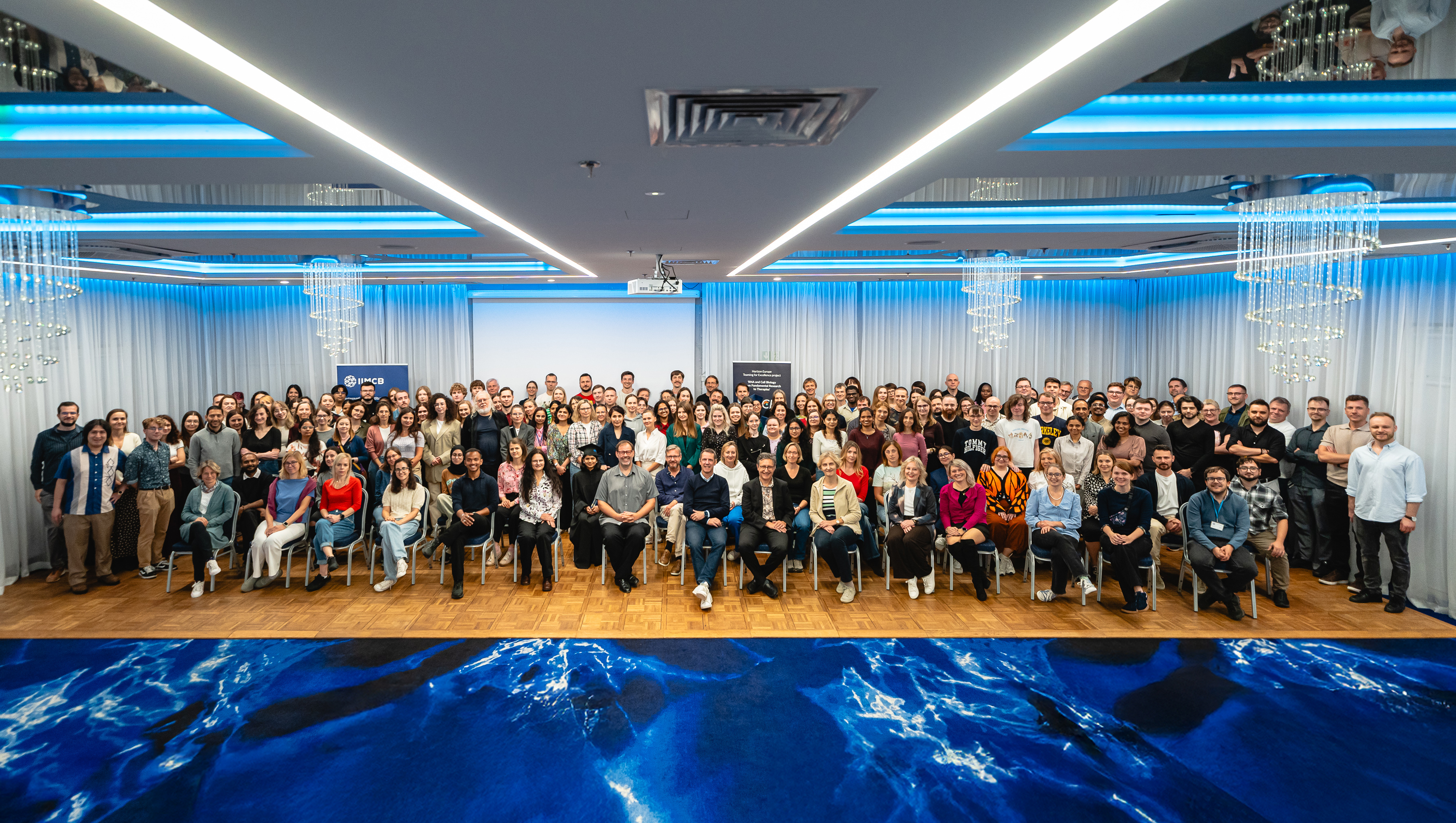
On 17–18 September 2026, IIMCB organised a two-day annual reporting and team-building retreat (Retreat 2026) for its employees and PhD students. The event brought together 190 members of the Institute’s staff (researchers, PhD students, administrative staff, and teams responsible for research infrastructure and support services), as well as invited guests, including experts from international research institutions. The programme combined presentations of the Institute’s scientific achievements and activities with initiatives aimed at integrating its international community, strengthening collaboration across teams, and fostering an open organisational culture.
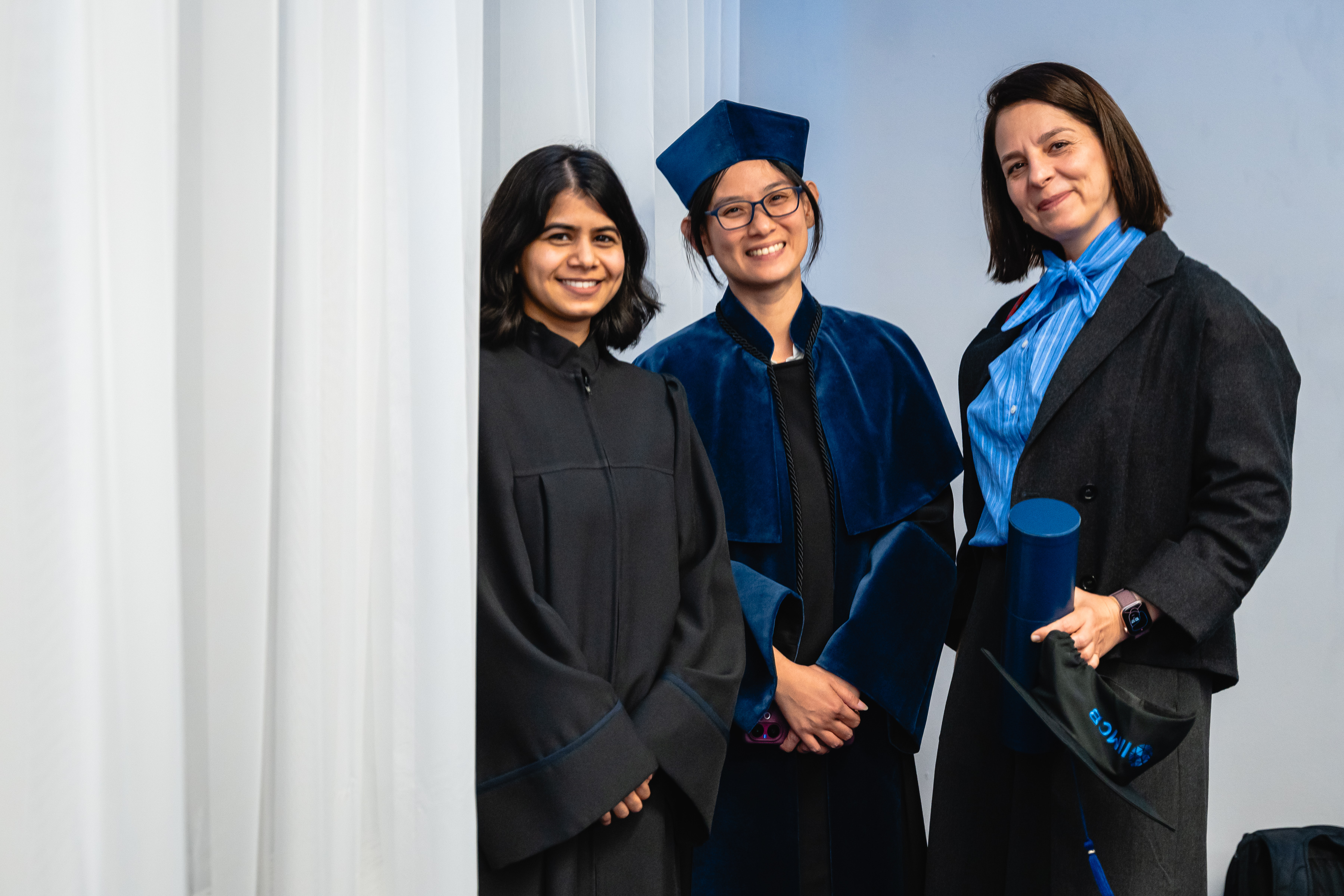
The first day began with a presentation by the Institute’s Director, Prof. Marta Miączyńska, who provided an overview of the Institute’s activities and achievements. This was followed by a doctoral diploma award ceremony, recognising the accomplishments of early-career researchers.
The scientific programme featured presentations by invited international experts. Dr Laurent Galibert and Dr Erwin Sablon from VIB discussed topics related to drug discovery and biomarker identification, while Prof. Adrian Liston from the University of Cambridge delivered a lecture entitled "Building a Positive Research Culture", focusing on creating a supportive and collaborative research environment. The programme also included presentations by laboratory leaders and a talk by Dr Kornelia Mikuła on IIMCB’s new intellectual property policy and the commercialisation of research results. In parallel, the Head of the Science Education Centre conducted workshops specifically designed for administrative staff.
An important part of the event consisted of two poster sessions featuring 54 posters prepared by representatives of research laboratories, core facilities, and administrative teams. Participants had the opportunity to learn about ongoing projects, research capabilities, and the support services provided by different units within the Institute. The sessions also created opportunities for direct discussions, knowledge exchange, and the development of collaboration among employees from different professional backgrounds. Participants voted for the best posters, and awards were presented during a joint dinner.
The evening programme featured a costume-themed dance party with a DJ and dance lessons. The informal atmosphere encouraged networking and helped build connections among employees and PhD students from different countries and organisational units within the Institute.
On the second day, participants could join a morning yoga session, followed by a team-building game lasting several hours, entitled "Extraordinary Heroes – The Race Against Time". The activity required teamwork, effective communication, and collaborative problem-solving, providing an opportunity to strengthen relationships outside the everyday working environment.
The retreat enabled Polish and international members of the IIMCB community to gain a better understanding of the Institute’s activities, exchange knowledge and experiences, and develop professional and interpersonal relationships. The involvement of both research and administrative teams was particularly important, as it fostered mutual understanding of their respective roles and strengthened internal collaboration. The entire event was conducted in English, with the exception of the workshops for administrative staff, which were held in Polish, a language in which all administrative employees are fluent.
According to the post-event survey, 87.4% of respondents reported being satisfied or very satisfied with the retreat, while 8.9% rated their experience as neutral. Additionally, 66% of respondents stated that they felt more connected to colleagues outside their own teams following the retreat, while 25% indicated that they were unsure.
The implementation of this activity contributed to achieving the objectives of the Welcome to Poland programme, particularly in terms of internationalisation, the integration of international employees and PhD students, and the creation of a welcoming, open, and supportive research environment. The activity was completed within the reporting period, achieving the planned output indicator: the organisation of one annual reporting and team-building retreat.
Folklore, Colors, and a Journey Through Time
On 11 September 2026, another excursion took place as part of the Polish Culture Days series, funded by NAWA from the European Social Development Fund 2021–2027 (FERS) as part of the ‘Welcome to Poland’ project. This time, we visited the Museum in Łowicz and the open-air museum in Maurzyce.
The main aim of the trip was to introduce IIMCB staff and PhD students from other countries to the rich folk culture of the Łowicz region, which is famous, amongst other things, for its colourful striped costumes and distinctive paper cut-outs, as well as its unique historical monuments and rich history. A guide oversaw the tour, leading the group round the museum’s exhibitions. It was interesting, and at times intriguing, as we learnt more about life in Łowicz in days gone by, but… above all, it was a colourful experience thanks to the display cases featuring costumes from Łowicz. I wonder if any of the participants, inspired by the Łowicz tradition, will decide to swap their everyday casual wear for a striped Łowicz costume? It might, however, prove quite a challenge, given that the costume weighs up to 15 kilograms… A session at the gym before putting on such an outfit is definitely advisable. There’s also some concern as to whether we’ll fit in with the dress code at the workplace…
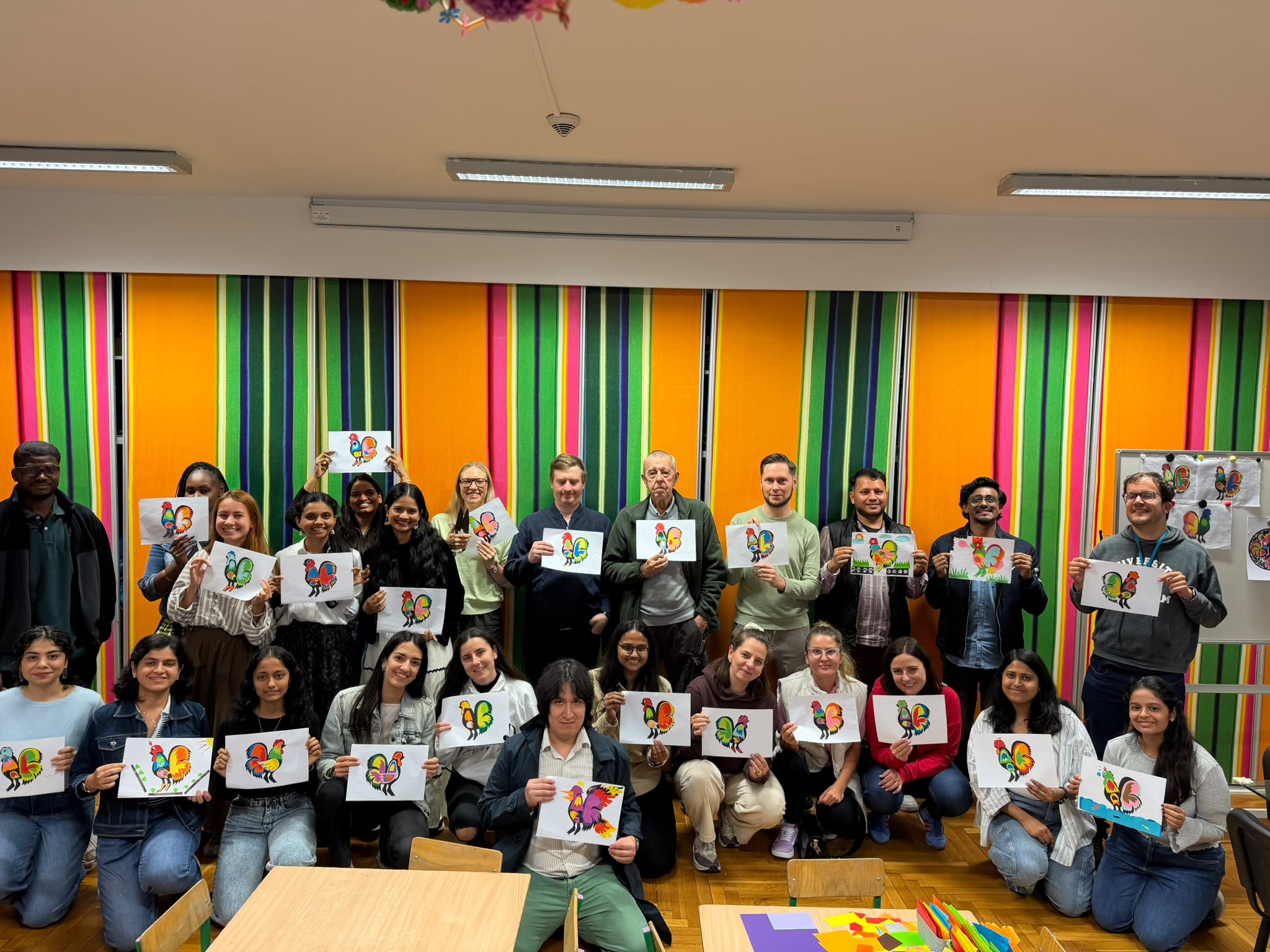
But there’s more to life than just sightseeing, so it was time to roll up our sleeves and get to work! The next stop on the tour – a workshop on making Łowicz paper cut-outs. Coloured paper, scissors, glue and pencils were already laid out on the tables. For a moment, we felt as though we were back in an art lesson from our school days. The result? Each participant left the workshop with a multicoloured rooster they’d made themselves. The satisfaction of a job well done – priceless. After the workshop, everyone enjoyed a well-deserved rest and recharged their batteries at a local restaurant serving traditional Polish dishes.
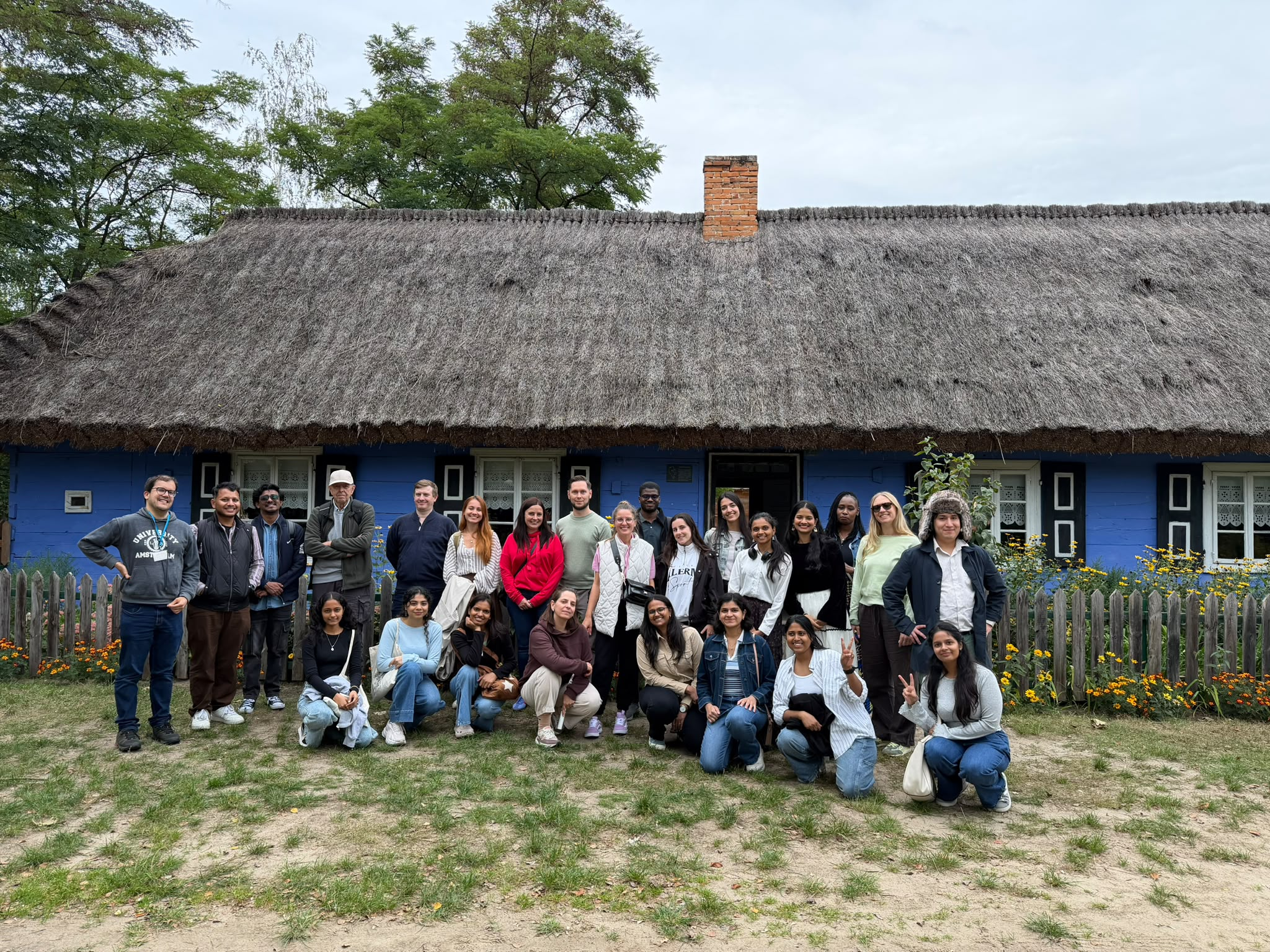
The last place we visited that day was the open-air museum in Maurzyce. If anyone still has any doubts as to whether time travel is possible, they should visit this place and see for themselves that it is easier than one might think. And this has nothing to do with science fiction films. The Łowicz Ethnographic Park in Maurzyce offers a unique opportunity to literally touch a piece of history. Visitors could explore historic religious and farm buildings, as well as step inside a traditional wooden Łowicz cottage to see how people lived in the 19th century. It felt as if it were only yesterday.
But that’s not all. The next event as part of Polish Culture Days is already scheduled for spring 2027. The exact place and date will be announced later on.
Where Chopin’s Story Began
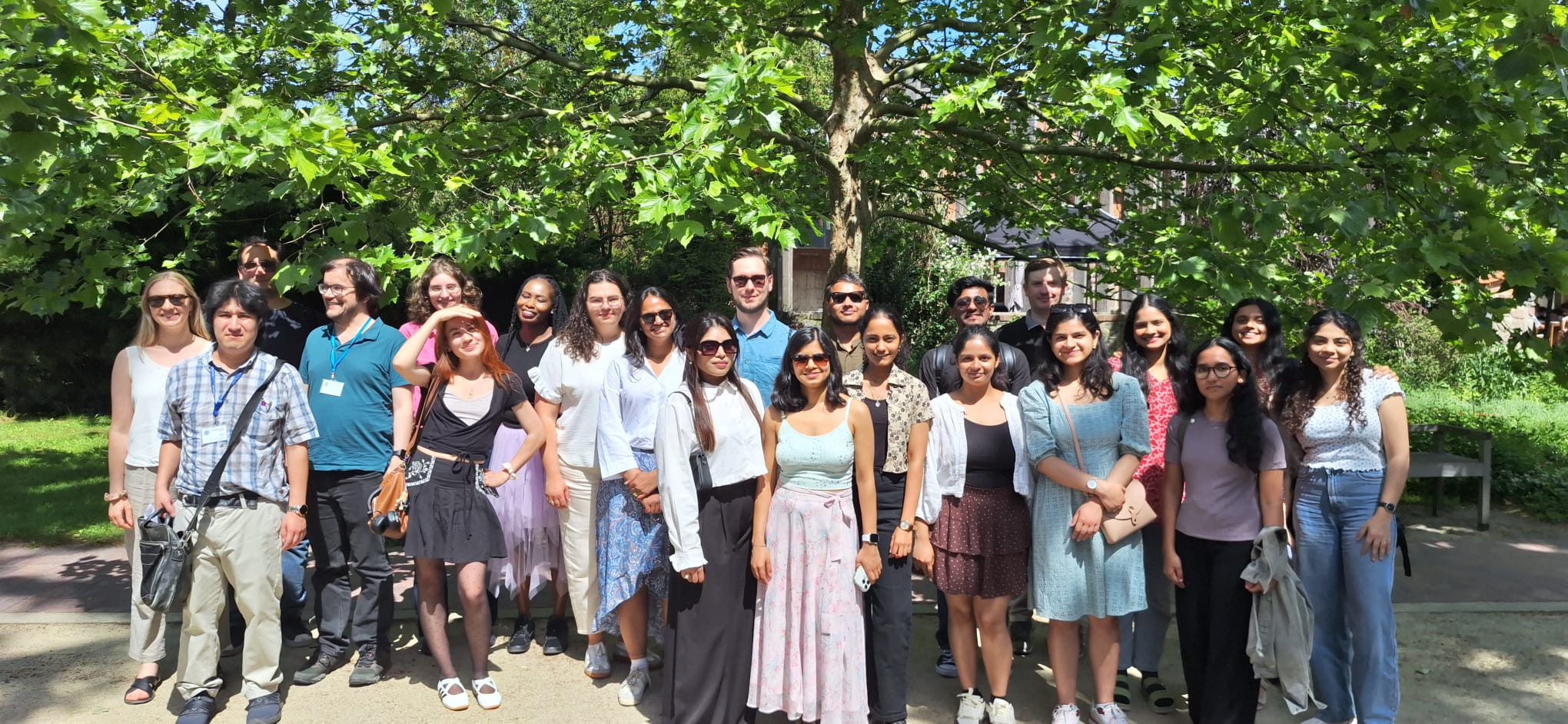
On June 19, 2026, together with a group of our international colleagues, we set off on our first trip in the Polish Culture Days series.
We organized our inaugural visit to the Birthplace of Fryderyk Chopin and Park in Żelazowa Wola. Before the tour began, participants had the opportunity to explore the picturesque park complex at their own pace. We then joined a guided walk, during which our guide introduced us to the history of Żelazowa Wola, shared some interesting facts about the park, and explained the circumstances surrounding the establishment of the museum.
During our tour of Fryderyk Chopin’s birthplace, we learned key facts about the composer’s life and had the opportunity to see the interiors of the historic outbuilding. The carefully recreated interior of the modest 19th-century manor house allowed us to experience the atmosphere of Chopin’s family home, while the biographical exhibition provided further insight into his life and work.
The next item on the program was a private piano recital, which gave us the opportunity to experience the music of one of Poland’s most outstanding composers. The sounds of Chopin’s music filling the space allowed us, if only for a moment, to travel back in time and immerse ourselves in the unique musical world that has become an important part of Poland’s cultural heritage.
The trip concluded with a shared meal in the beautiful surroundings of the park, which provided an excellent opportunity for conversation and informal interaction in a pleasant, relaxed atmosphere.
The trip, organized as part of the Polish Culture Days series, was made possible thanks to funding secured under the Welcome to Poland project ‘Comprehensive support for foreign nationals at MIBMiK – an essential element of conducting high-quality research’, contract no. BPI/WTP/2024/1/00046/U/00001, funded by NAWA from European Union funds under the European Social Development Fund 2021–2027 (FERS).
We would now like to invite you to the next event in the series, which will take place on September 11, 2026.
