




RNA viruses exploit host-cell mechanisms to replicate efficiently and evade antiviral responses. Although their genomes are often compact, viruses have evolved complex strategies for taking control of cellular processes, especially protein production. Understanding these mechanisms helps identify stages of the viral life cycle that may become targets for future antiviral therapies.
Research Summary
Research in our laboratory is focused on two main areas of interest:
How do RNA viruses take control of protein synthesis in the cell?
RNA viruses use specialized mechanisms to ensure efficient translation of their genomes by host ribosomes. One such strategy is the use of internal ribosome entry sites, or IRESs. These RNA structures recruit ribosomes directly to viral RNA, bypassing the standard cap-dependent mechanism of translation initiation.
IRES elements often require cellular RNA-binding proteins known as IRES trans-acting factors, or ITAFs. These proteins help viral RNA adopt the correct three-dimensional structure and achieve full translational activity. Because they are required for efficient viral translation but are not essential for basic host-cell translation, they may represent attractive targets for antiviral intervention.
In the laboratory, we study host factors involved in IRES-dependent translation in Hepatitis A virus, which serves as a model picornavirus and an important human pathogen.
How do RNA viruses regulate gene expression after transcription?
The second research area focuses on understanding how RNA viruses, such as Hepatitis A virus, regulate their gene expression. Viruses produce both nonstructural proteins, which mainly control replication, and structural proteins, which assemble into virus particles. Structural proteins usually need to be produced in much greater quantities than nonstructural proteins.
Hepatitis A virus encodes both structural and nonstructural proteins within one large open reading frame. The resulting polyprotein is then cleaved into individual viral proteins by a virus-encoded protease. This genome organization suggests that the relative amounts of individual viral proteins must be regulated after transcription, for example through protein degradation, post-translational modifications, or ribosome frameshifting. These mechanisms remain poorly understood.
To investigate them, we use high-throughput techniques such as ribosome profiling and SILAC proteomics, which allow us to analyze viral gene expression at the levels of translation and protein production.
Scientific Impact
Our research focuses on how RNA viruses use host proteins and cellular mechanisms to express their own genes. Identifying these dependencies may help reveal key steps in the viral life cycle that are suitable for therapeutic intervention. At the same time, studying viral strategies of gene expression may uncover broader principles of RNA regulation and translation in cells.
Future Goals
Our main goal is to understand how RNA viruses, such as Hepatitis A virus, regulate their gene expression and coordinate the production of structural and nonstructural proteins. By identifying host proteins involved in these processes, we aim to define key steps in the viral life cycle that may inform the design of new antiviral strategies.
In the future, we plan to extend this work to RNA viruses from the Flaviviridae family. We are particularly interested in Usutu virus, a mosquito-borne zoonotic virus that is now endemic across most of Europe.
Publications and preprints from this group
Browse publications →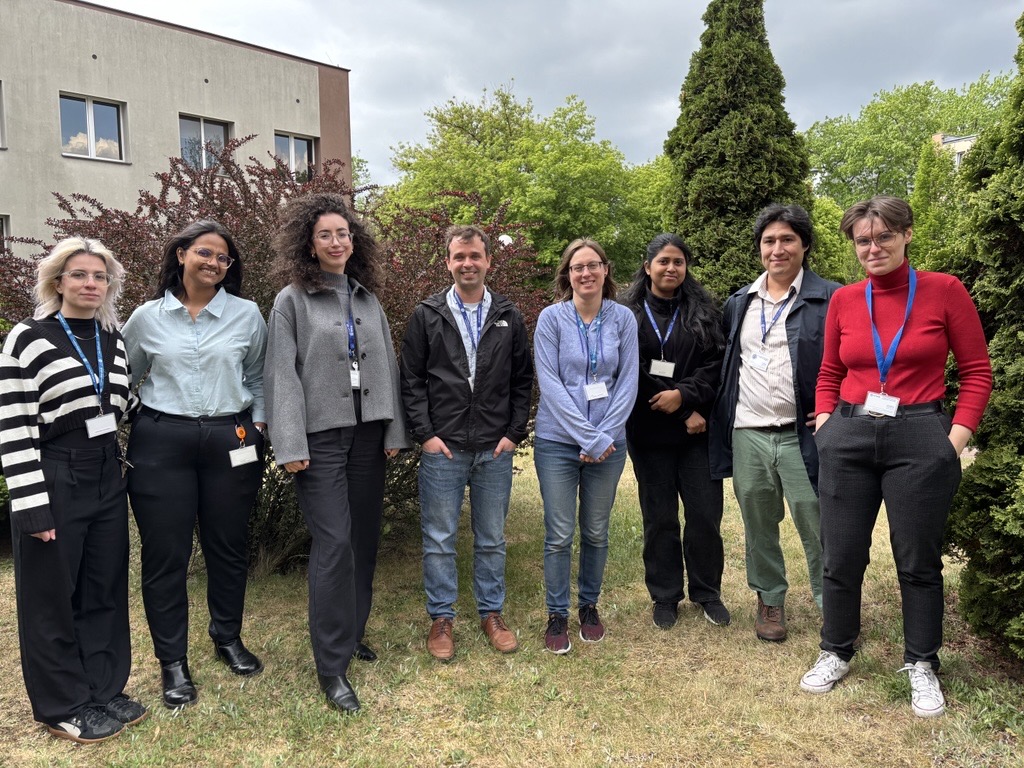
Lab Leader:
Stefan Bresson, PhD
Postdoctoral researchers:
Maja Cieplak-Rotowska, PhD
Martin Requena, PhD
MSc student:
Martyna Roszko, BSc
Gabriela Skrzyńska
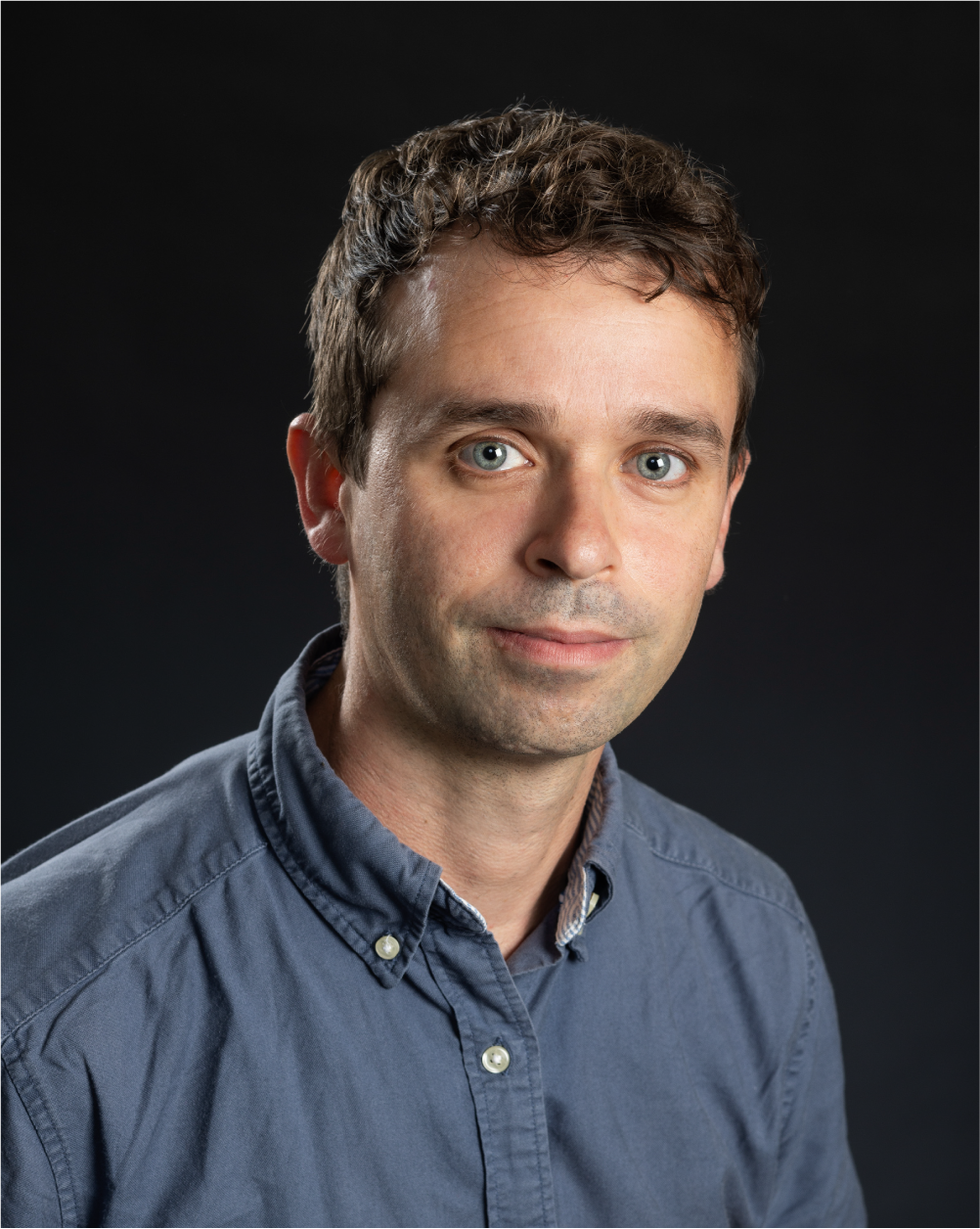 |
Stefan Bresson, PhDCorrespondence address: |
DEGREES
2015 – PhD in Biological Chemistry, University of Texas, Southwestern Medical Center, Dallas, USA
2009 – BSc in Molecular and Cell Biology, University of Texas at Austin, USA
PROFESSIONAL EXPERIENCE
2025-present – Head of Laboratory of RNA Viruses, International Institute of Molecular and Cell Biology in Warsaw, Poland
2015-2024 – Postdoctoral research with Prof. David Tollervey at the University of Edinburgh, UK
2010-2014 – PhD research with Prof. Nicholas Conrad at the University of Texas, Southwestern Medical Center, Dallas, USA
2008-2009 – Undergraduate researcher with Prof. Arlen Johnson at the University of Texas at Austin, USA
HONORS, PRIZES AND AWARDS
2025 – SONATA BIS 14, National Science Center
2025 - VirHoX Hop-on, Horizon Europe