





Laboratory of RNA-Protein Interactions - Dioscuri Centre
- Leader
- Gracjan Michlewski, PhD, Professor
Leader
At the Laboratory of RNA-Protein Interactions - Dioscuri Centre, we study how RNA-binding proteins regulate gene activity, participate in antiviral responses, and influence processes relevant to human disease. We combine RNA biology, structural biology, mass spectrometry, live-cell experiments, and small-molecule approaches.
Our research focuses on two main areas: first, how RNA-binding proteins participate in the recognition of viral and therapeutic RNAs by the immune system; and second, how modulating RNA-protein interactions may help treat human diseases, particularly viral infections and Parkinson’s disease.
Research Summary
RNA is one of the fundamental molecules of life. It carries genetic information, participates in protein synthesis and performs regulatory and catalytic functions. To function properly, RNA depends on cooperation with RNA-binding proteins. These proteins regulate RNA processing, transport, stability and translation, thereby supporting the proper flow of genetic information in the cell.
RNA-protein interactions are also central to antiviral immunity. Some RNA-binding proteins recognize RNA molecules of viral origin and initiate immune responses, including the activation of interferon pathways. Disruption of these processes may facilitate viral infection, but it may also contribute to non-infectious diseases, including neurodegenerative disorders.
At the Dioscuri Centre for RNA-Protein Interactions in Human Health and Disease, we investigate how these interactions shape cellular systems. We are interested in how RNA-binding proteins recognize features of viral and therapeutic RNA, and how this knowledge can be used to design safer and more effective RNA therapies.
In the context of Parkinson’s disease, we focus on the regulation of alpha-synuclein by RNA-binding proteins and microRNAs. We ask whether modulating these interactions can restore proper gene-expression control and affect processes relevant to disease progression.
Scientific Impact
We deepen understanding of RNA-protein interactions as key regulators of innate immunity. Understanding these mechanisms may support the development of new antiviral strategies.
We identify molecular mechanisms linked to Parkinson’s disease and define potential therapeutic targets.
Translation
In 2024-2026, our research focused on RNA-protein interactions in innate antiviral defence and on safer RNA-based therapy. We showed that the 5′-terminal nucleotide influences the formation of immunogenic dsRNA by-products in RNA produced by in vitro transcription (Wolczyk et al., NAR 2025). Moreover, in June 2026, we published a paper showing that the 5′-terminal nucleotide also plays a critical role in the immune response to double-stranded RNA (Wolczyk et al., Mol Cell 2026). This knowledge opens the way to developing better antiviral therapies, treatments for autoimmune diseases, and emerging RNA-based therapies.
We also co-authored studies explaining the mechanisms and structures of the major antiviral protein TRIM25. We mapped the cellular effects of HuR inhibition and developed small-molecule approaches aimed at disrupting HuR-RNA complexes (Idlin et al., BMC Biol 2025).
In December 2025, the laboratory received a distinction from Division II of the Polish Academy of Sciences for the exceptional research achievement entitled "New mechanisms and therapeutic prospects in innate immune response to viruses and RNA based therapy".
Research plans
We plan to continue interdisciplinary research into the links between RNA biology and human disease. We will analyse the involvement of RNA-binding proteins in viral signalling pathways, which may lead to the identification of new antiviral strategies.
In parallel, we will expand our understanding of RNA regulatory pathways and search for chemical compounds capable of lowering alpha-synuclein levels in Parkinson’s disease.
Collaborations
- With Prof. Juri Rappsilber from Technische Universitat Berlin, we conduct mass-spectrometry-based studies, including proteome-wide analyses and structural studies. Prof. Rappsilber is the German partner of the Dioscuri Centre.
- With Prof. Andrzej Dziembowski from IIMCB and Prof. Gunther Hartmann from Bonn Medical University, we study the immunogenicity of therapeutic RNAs.
- With Dr Elżbieta Nowak and Prof. Marcin Nowotny from IIMCB, we analyse the structures of RNA-binding proteins.
- With Dr Katarzyna Mleczko-Sanecka from IIMCB, Dr Wojciech Pokrzywa from IIMCB and Prof. Tilo Kunath from the University of Edinburgh, we investigate the effects of compounds targeting RNA-binding proteins in cells and whole organisms.
- With Prof. Michele Vendruscolo from the University of Cambridge, we use artificial intelligence to screen for small molecules that inhibit RNA-binding proteins.
Comment
In 2024-2026, the laboratory focused on RNA-protein interactions in antiviral immunity and on the safer design of RNA therapies. Particular emphasis was placed on studies showing that the 5′ terminal nucleotide influences the immunogenicity of RNAs, as well as on work on TRIM25 and HuR proteins and on small-molecule modulation of RNA-protein complexes.
Project financed under Dioscuri, a programme initiated by the Max Planck Society, jointly managed with the National Science Centre in Poland, and mutually funded by the Polish Ministry of Science and Higher Education and German Federal Ministry of Research, Technology and Space.

"In my research, I unravel the intricate connections between RNA biology and human diseases, aiming to discover innovative approaches for next-generation treatments", says Prof. Gracjan Michlewski
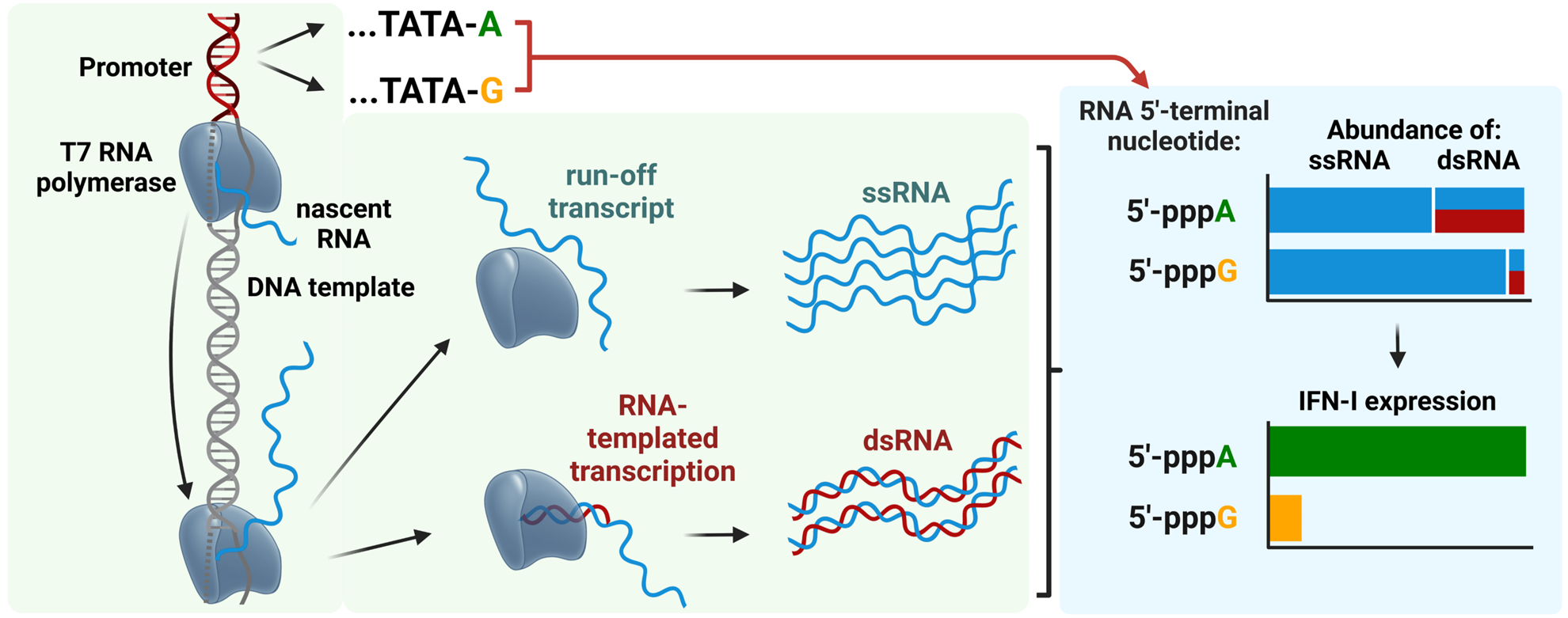
RNAs produced by in vitro transcription with 5′-pppA terminal nucleotide are more immunogenic than those with 5′-pppG due to higher levels of double-stranded RNA (dsRNA) that strongly activate the RIG-I/Interferon type 1 pathway https://doi.org/10.1093/nar/gkae1252.
About the lab
Read more: Laboratory of RNA-Protein Interactions - Dioscuri Centre

Laboratory of Prokaryotic Gene Regulation
- Leader
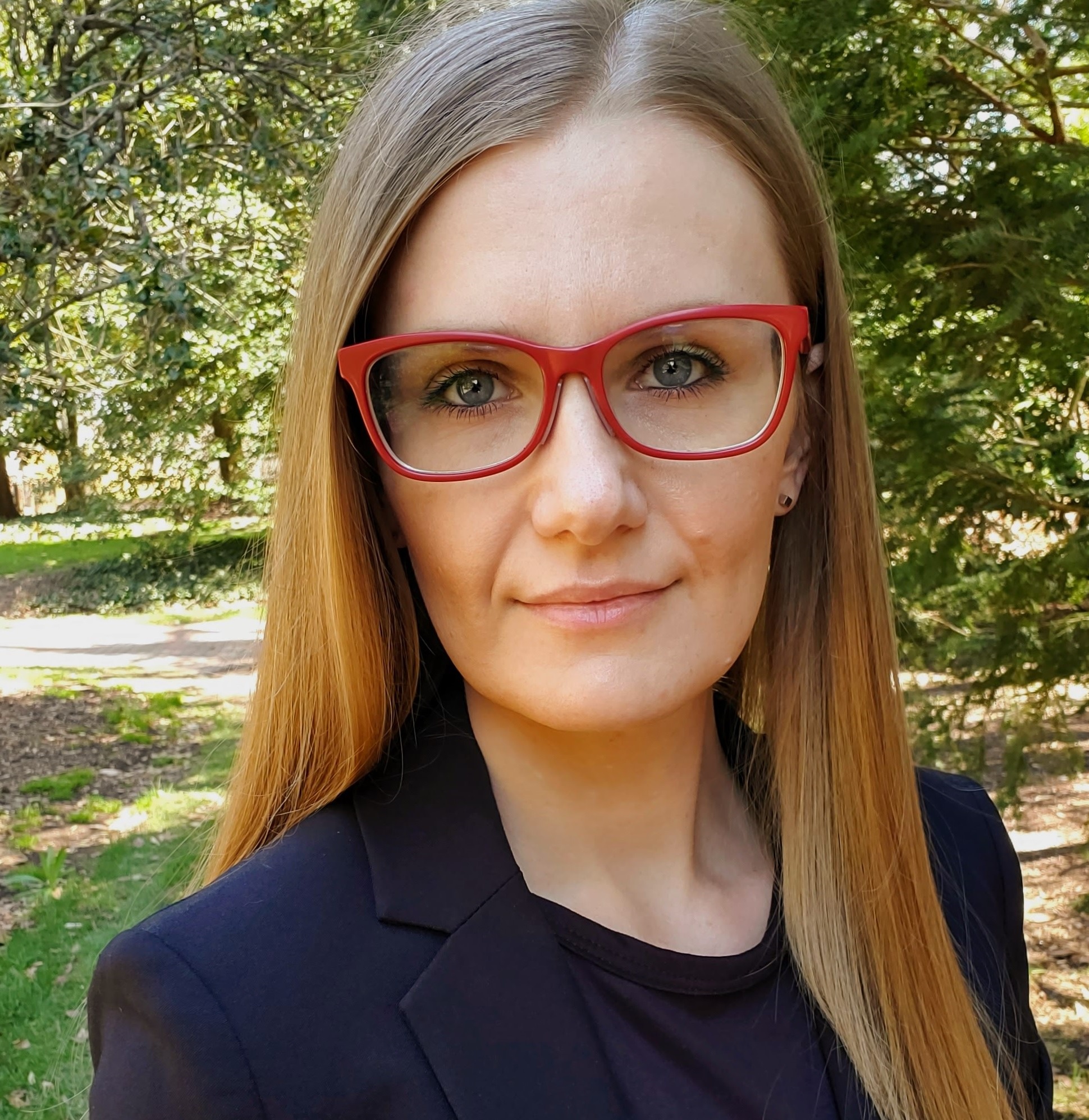
- Ewelina Małecka, PhD
Leader
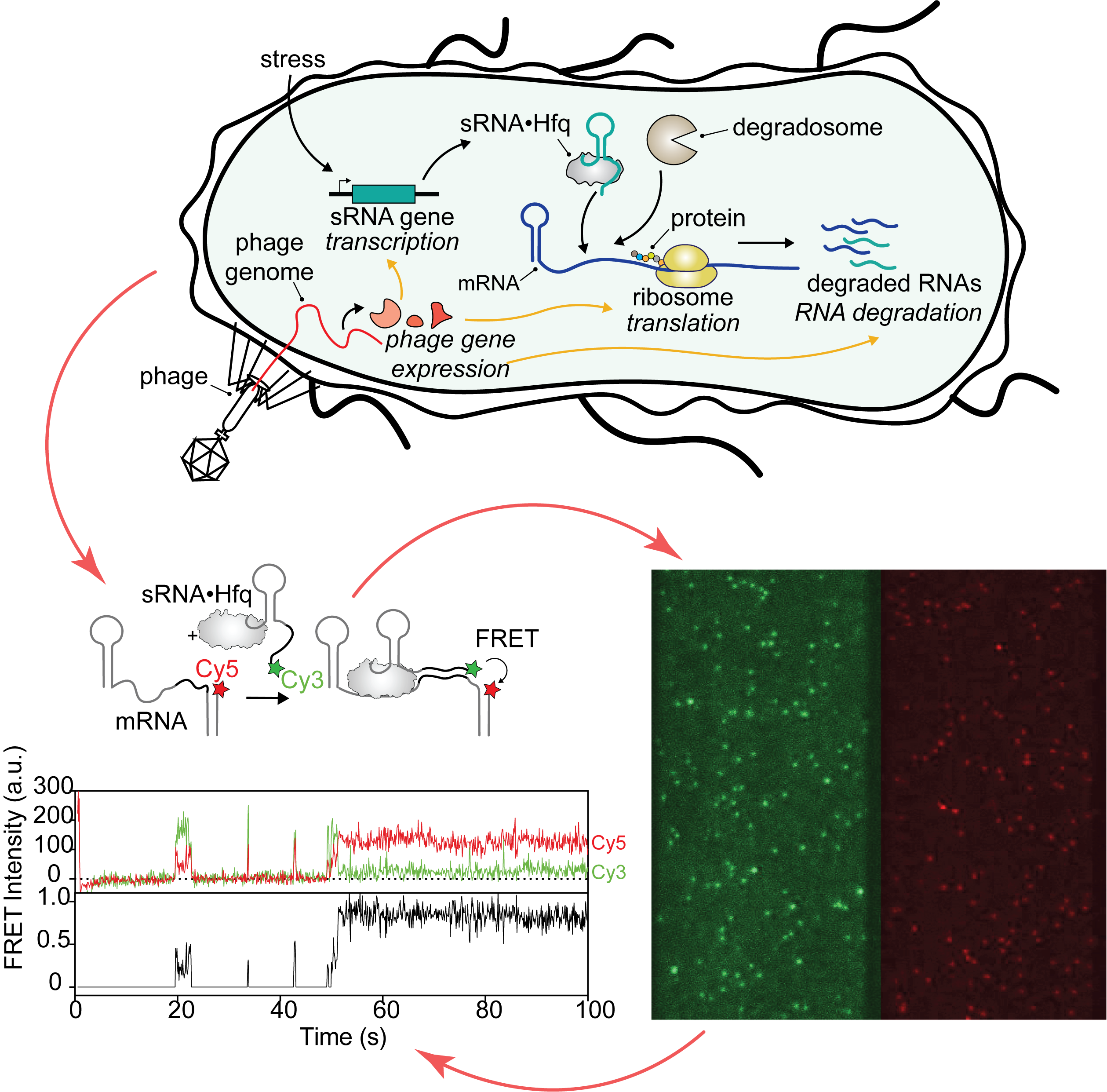
Our laboratory studies the molecular mechanisms of post-transcriptional gene regulation in bacteria, particularly under stress conditions and during bacteriophage infection. We are interested in how RNA-binding proteins and small regulatory RNAs control translation, RNA degradation and bacterial adaptation to changing conditions.
We combine molecular and systems-level approaches. At the single-molecule level, we use TIRF microscopy to observe the formation of RNA-protein complexes in real time. At the cellular level, we investigate how bacteriophages reprogram host RNA metabolism and translation, and how this knowledge may help identify new antimicrobial strategies.
We apply this integrated approach to commensal and pathogenic E. coli strains, as well as clinically relevant bacteria such as antibiotic-resistant Acinetobacter baumannii.
Research Summary
Our research programme focuses on the principles of bacterial gene expression regulation. At the molecular level, we use biochemical methods and advanced single-molecule TIRF microscopy to understand how small regulatory RNAs and the Hfq chaperone protein recognize their targets and control the fate of mRNA molecules.
By monitoring interactions between RNA, proteins, and ribosomes in real time, we study the basic principles of bacterial translational control and RNA degradation. We are interested not only in which molecules interact, but also when these interactions occur, in what order, and with what dynamics successive regulatory steps take place.
The second major research area concerns bacteriophage infection. We investigate how phages reprogram host RNA metabolism and translation. To do this, we use transcriptomics and proteomics to identify interaction partners and regulatory targets in bacterial cells.
In 2024-2025, we established experimental systems in antibiotic-resistant Acinetobacter baumannii and E. coli together with their phages. We also identified phage-encoded factors that modulate bacterial translation and RNA regulation. These studies are being developed through active, competitively funded research projects.
Scientific Impact
- Mechanistic insight: our work provides a mechanistic explanation of how small RNAs select their targets and coordinate gene silencing. By analysing the dynamics of target recognition, translation and RNA degradation, we move beyond static models of regulation and describe fundamental principles of gene expression control in bacteria.
- Advanced technology: we use state-of-the-art single-molecule microscopy to observe regulatory processes in real time. This makes it possible to simultaneously follow RNA targeting, translation and degradation.
- Potential applications: studies of phage-encoded factors acting on antibiotic-resistant bacteria may open new routes toward antimicrobial strategies against ESKAPE pathogens. Understanding sRNA design rules may also support the development of programmable bacterial regulators for synthetic biology, metabolic engineering and targeted therapeutic interventions.
Future Goals
In the coming years, we will connect fundamental discovery with therapeutic potential. Our goal is to extend single-molecule analyses to capture the full regulatory path of an mRNA molecule: from its initial recognition by sRNA-Hfq complexes to its final fate at the ribosome.
We will also use mechanistic insight to study the phage-host arms race in clinically relevant contexts, especially in ESKAPE pathogens.
Collaborations
- We collaborate with Prof. Sander Granneman from the University of Edinburgh to integrate single-molecule visualization with in vivo protein-RNA interaction mapping.
- We also collaborate with Prof. Ben Luisi from the University of Cambridge to connect regulatory dynamics with mechanisms of RNA degradation.
- Dr Tom Graefenhan from the Core Unit Systems Medicine in Wuerzburg supports us with transcriptomic analyses of phage infection.
Comment
"Our laboratory studies bacterial gene regulation in two main areas: first, how RNA-binding proteins and small RNAs control translation and couple it to RNA degradation; and second, how bacteriophages reprogram host RNA metabolism and translation. We combine single-molecule TIRF microscopy, which directly visualizes RNA-protein complex formation in real time, with high-throughput transcriptomics and proteomics. This allows us to identify interaction partners and regulatory targets in cells. " says Ewelina Małecka.
Visit the laboratory website for more details: https://maleckalab.com/
About the lab
 |
Ewelina Małecka, PhDCorrespondence address: |
DEGREES
2017 - PhD in Biochemistry with Prof. Mikołaj Olejniczak, Adam Mickiewicz University, Poznań, Poland
2012 - MSc in Biotechnology with Prof. Zofia Szweykowska-Kulińska, Adam Mickiewicz University, Poznań, Poland
PROFESSIONAL EXPERIENCE
2022 - present - Head of Laboratory of Prokaryotic Gene Regulation (former: Single-Molecule Biophysics), International Institute of Molecular and Cell Biology in Warsaw, Poland
2022 - present - Visiting Researcher, Dept. of Biochemistry, Johns Hopkins University, US
2017 - 2022 - Postdoctoral fellow with Prof. Sarah Woodson, Dept. of Biochemistry, Johns Hopkins University, USA
HONORS, PRIZES, AND AWARDS
2024-2029 EMBO Installation Grant
2023-2028 Sonata Bis grant (National Science Centre)
2023-present Member of the NAR Early Career Researcher Advisory Board
2022 - Invited panelist "Diverse Voices from Rising Scientists", RNA Society meeting, Boulder, USA
2022 - RNA Society Research Presentation Fellowship
2021 - Invited interview with Molecular Cell "Meet the authors", doi: 10.1016/j.molcel.2021.04.011
2021 - Early-career reviewer in Elife (Structural Biology and Molecular Biophysics)
2021 - Conference Award, RNA Society
2019 - Travel Award, RNA Society
2018 - Travelling Fellowship, The Company of Biologists
2015 - present - Member, RNA Society
2015-2018 Preludium grant (National Science Centre)
PUBLICATIONS BY DR. EWELINA MAŁECKA PRIOR TO JOINING IIMCB:
-
Małecka EM, Woodson SA.
RNA compaction and iterative scanning for small RNA targets by the Hfq chaperone.
Nat Commun. 2024 Mar 7;15(1):2069.
doi:10.1038/s41467-024-46316-6. - Sarni SH, Roca J, Du C, Jia M, Li H, Damjanovic A, Małecka EM, Wysocki VH, Woodson SA.
Intrinsically disordered interaction network in an RNA chaperone revealed by native mass spectrometry.
Proc Natl Acad Sci U S A. 2022 Nov 22;119(47):e2208780119.
doi: 10.1073/pnas.2208780119. -
Małecka EM, Hua B, Woodson SA.
Single-Molecule FRET Studies of RNA Structural Rearrangements and RNA-RNA Interactions.
Methods Mol Biol. 2022;2518:271-289.
doi: 10.1007/978-1-0716-2421-0_16. -
Małecka EM, Sobańska D, Olejniczak M.
Bacterial Chaperone Protein Hfq Facilitates the Annealing of Sponge RNAs to Small Regulatory RNAs.
J Mol Biol. 2021 Nov 19;433(23):167291.
doi: 10.1016/j.jmb.2021.167291. -
Malecka EM, Bassani F, Dendooven T, Sonnleitner E, Rozner M, Albanese TG, Resch A, Luisi B, Woodson S, Bläsi U.
Stabilization of Hfq-mediated translational repression by the co-repressor Crc in Pseudomonas aeruginosa.
Nucleic Acids Res. 2021 Jul 9;49(12):7075-7087.
doi: 10.1093/nar/gkab510. -
Małecka EM, Woodson SA.
Stepwise sRNA targeting of structured bacterial mRNAs leads to abortive annealing.
Mol Cell. 2021 May 6;81(9):1988-1999.e4.
doi: 10.1016/j.molcel.2021.02.019. -
Panja S, Małecka EM, Santiago-Frangos A, Woodson SA.
Quantitative Analysis of RNA Chaperone Activity by Native Gel Electrophoresis and Fluorescence Spectroscopy.
Methods Mol Biol. 2020;2106:19-39.
doi: 10.1007/978-1-0716-0231-7_2. -
Małecka EM, Woodson SA.
Ribosomes clear the way for siRNA targeting.
Nat Struct Mol Biol. 2020 Sep;27(9):775-777.
doi: 10.1038/s41594-020-0495-4. -
Santiago-Frangos A, Fröhlich KS, Jeliazkov JR, Małecka EM, Marino G, Gray JJ, Luisi BF, Woodson SA, Hardwick SW.
Caulobacter crescentus Hfq structure reveals a conserved mechanism of RNA annealing regulation.
Proc Natl Acad Sci U S A. 2019 May 28;116(22):10978-10987.
doi: 10.1073/pnas.1814428116. -
Małecka EM, Stróżecka J, Sobańska D, Olejniczak M.
Structure of bacterial regulatory RNAs determines their performance in competition for the chaperone protein Hfq.
Biochemistry. 2015 Feb 10;54(5):1157-70.
doi: 10.1021/bi500741d. -
Sobkowiak L, Bielewicz D, Malecka EM, Jakobsen I, Albrechtsen M, Szweykowska-Kulinska Z, Pacak A.
The Role of the P1BS Element Containing Promoter-Driven Genes in Pi Transport and Homeostasis in Plants.
Front Plant Sci. 2012 Mar 30;3:58.
doi: 10.3389/fpls.2012.00058.
Group members
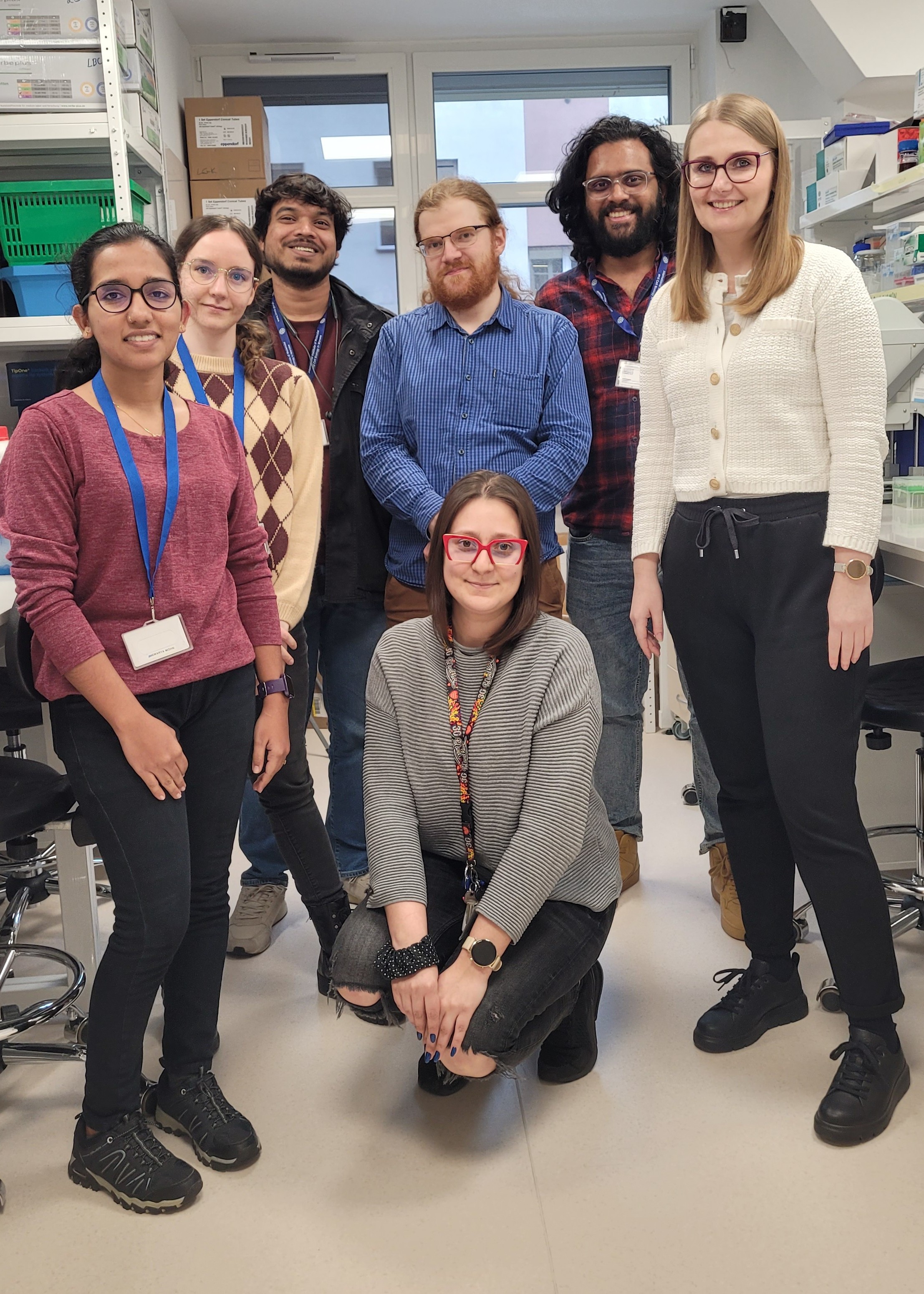
Group Leader:
Ewelina Małecka, PhD
Research Specialist:
Maciej Dylewski, PhD
PhD Students:
Ewa Izdebska
Aiswarya Mohan
Junior Research Scientist:
Daria Demina
Intern:
Sebastian Machera
MSc student:
Zuzanna Grzegorczyk
Laboratory Support Specialist:
Karolina Komorowska
Technician:
Katarzyna Kaca

Laboratory of Cellular Genomics
- Leader
- Aleksandra Kołodziejczyk, PhD
Leader
Research Areas
Gut-liver axis
We are investigating the bidirectional crosstalk between the liver and the intestine, focusing on the role of resident microbiota. We explore how shifts in bacterial composition and changes in intestinal physiology affect liver cells and how liver health contributes to the homeostasis in the gut.
Microbiota-derived metabolites
We are exploring the role of microbiota-derived metabolites in the host physiology. We focus on the molecular mechanisms by which metabolites affect cellular functions.
Chronic inflammation
We are interested in the mechanisms underlying chronic inflammatory processes accompanying organ fibrosis, metabolic syndrome and autoimmune disorders. Particularly, we are focusing on the role of stromal cells and their interactions.
Key Approaches
Multi-omics
We are developing and adopting sequencing-based methods to comprehensively study host cellular phenotypes and microbiota states (single-cell RNA-seq, ATAC-seq, ChIP-seq, metagenomics). We complement and integrate these data with metabolomics to generate comprehensive multimodal characterisation.
Genetic screening
To identify molecular mechanisms underlying interactions between the host and the microbiota, we are establishing in vitro high-throughput screening methods in cell lines and organoids.
Data mining
We use and develop advanced bioinformatics approaches to generate insights and predictions from our multi-omic data. Moreover, in the spirit of ‘data parasitism’ we are integrating and reusing underutilised published datasets to generate novel discoveries.
Visit the laboratory website for more details: olab.com.pl
About the lab
 |
Aleksandra Kołodziejczyk, PhDCorrespondence address: |
2017 – PhD in Biological Sciences, Trinity College, University of Cambridge,UK
2011 – MSc in Molecular Biosciences, major Molecular and Cellular Biology, University of Heidelberg, Germany
2009 – BSc in Biotechnology, University of Perugia, Italy
PROFESSIONAL EXPERIENCE
2023-present – Head of Laboratory of Cellular Genomics, International Institute of Molecular and Cell Biology in Warsaw, Poland
2017-2023 – Postdoctoral research with Prof. Eran Elinav at Department of Systems Immunology, Weizmann Institute of Science, Israel
2012-2016 – Doctoral research with Dr. Sarah Teichmann at the Wellcome Trust Sanger Institute and EMBL European Bioinformatics Institute, UK
2011-2012 – Master thesis research with Prof. Victor Sourjik at ZMBH, University of Heidelberg, Germany
2010 – iGEM Heidelberg team project member, University of Heidelberg, Germany
2009 – BSc thesis research with Prof. Matthias Wilmans, EMBL Hamburg, Germany
2008 – Summer internship with Prof. Sir Alan Fersht, MRC LMB, Cambridge, UK
2007 – Summer internship with Prof. Fred van Leuven, Katholieke Universiteit Leuven, Belgium
HONORS, PRIZES AND AWARDS
2021 - Weizmann Institute of Science award for outstanding achievements in postdoctoral research
2017 - Weizmann Institute of Science Innovative Students’ Award
2017 – Marie Skłodowska Curie Actions Individual Fellowship
2016 - EMBO Long Term Fellowship
2013 - Rouse Ball Research Fund Grant
2010 - German Academic Exchange Service (DAAD) Stipend
2009 - EMBL Trainee Fellowship
2009 - Mayor of Tczew Award for Talented Students
2008 - MRC LMB Summer Studentship 2008 - ERASMUS Scholarship
2007 - Regione Umbria fellowship “Expert in biomaterials”
Group members
Group Leader
Aleksandra Kołodziejczyk, PhD
Postdoctoral researchers:
Krzysztof Szczepaniak, PhD
Aneta Grymanowska, PhD
PhD Students
Joanna Słota
Aleksandra Uryga
Konstacja Gałat
Anna Węgrzycka
Natalia Rzepka
Undergraduate Students:
Zofia Link
Joanna Siatecka
Laboratory Support Specialist:
Karolina Komorowska
Research Coordinators:
Martyna Wysokińska
Anna Majerowicz

Laboratory of Cellular Proteostasis
- Leader
- Lidia Wróbel, PhD
Leader
Our laboratory investigates how cells maintain the proper state of their proteome, meaning the full set of proteins present in a cell. This process is known as proteostasis. We are particularly interested in the spatial and temporal regulation of protein degradation mechanisms in mammalian cells, especially those mediated by the ubiquitin-proteasome system.
We aim to understand how defects in protein quality-control systems contribute to the development of neurodegenerative diseases, such as Alzheimer’s, Parkinson’s and Huntington’s disease. Because proteostasis failure may begin long before clinical symptoms appear, studying the earliest cellular changes is essential for designing future therapeutic strategies.
Research Summary
The cellular proteome is highly complex. It consists of thousands of proteins that must be properly synthesized, folded, transported to the right location and removed when they are damaged or no longer needed. This balance is maintained by coordinated protein quality-control systems, including the ubiquitin-proteasome system, autophagy and other degradation and repair pathways.
The laboratory focuses on the mechanisms responsible for protein clearance and on how these mechanisms are regulated in different cellular compartments. A particularly important area is nuclear proteostasis, meaning the mechanisms that maintain protein quality in the cell nucleus, and its links with cytoplasmic degradation pathways.
One of the central research questions is how the ubiquitin-proteasome system functions in the nucleus and how it communicates with protein quality-control systems operating in the cytoplasm. Disrupted communication between these networks may contribute to the accumulation of toxic protein aggregates, a hallmark of many neurodegenerative diseases.
To study these processes, the laboratory uses modern molecular biology techniques, high-throughput CRISPR/Cas9 screening, quantitative mass spectrometry, advanced fluorescence microscopy and models of neurodegenerative diseases based on human neurons differentiated from induced pluripotent stem cells. .
Another important focus is VCP/p97, a key unfoldase involved in protein quality control. The laboratory investigates how disease-linked mutations may affect VCP function and promote tau accumulation in frontotemporal dementia.
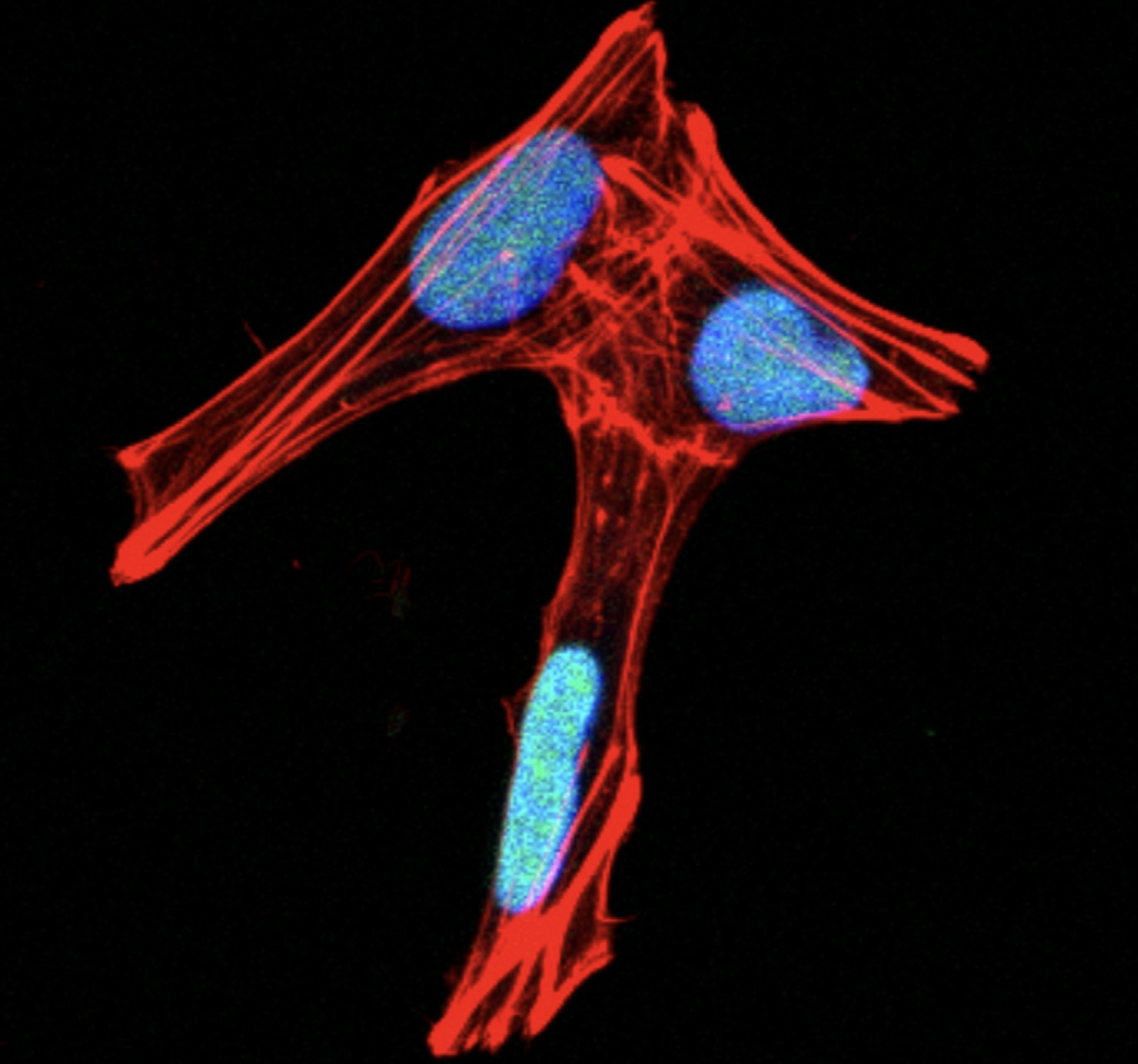
Induced pluripotent stem cells; proteasome activity reporter in the cell nucleus, green signal, and actin, red signal.
Scientific Impact
- Identification of mechanisms regulating nuclear proteostasis and their links with cytoplasmic protein quality pathways.
- New insights into how defects in protein clearance pathways contribute to the pathology of neurodegenerative diseases.
- Development and application of human neuronal models to study disease-associated proteostasis defects.
- Search for new regulators, substrates and points of communication between nuclear and cytoplasmic protein quality-control systems.
Research Plans
Our goal is to determine how the ubiquitin-proteasome system operates in the cell nucleus and how nuclear proteostasis is integrated with broader cellular protein quality control. We will investigate how defects in these systems lead to the accumulation of toxic protein aggregates, one of the characteristic features of many neurodegenerative diseases.
Using genome-wide CRISPR/Cas9 screening and methods for tracking endogenous protein trafficking, we aim to identify new regulators of protein degradation, define their substrates and explain the mechanisms of communication between nuclear and cytoplasmic degradation pathways. In parallel, we study VCP to determine how disease-linked mutations lead to tau accumulation in frontotemporal dementia.
Ultimately, we aim to identify new molecular therapeutic targets that could help restore proteostasis in disease-affected tissues.
Collaborations
We are collaborating with Prof. Andrew Wood (University of Edinburgh) on the development of a new compartment-specific targeted protein degradation system. We are also actively seeking interdisciplinary collaborations linking molecular proteostasis research with translational neurobiology.
Comment
“We aim to explain the spatial and temporal regulation of protein clearance by the ubiquitin-proteasome system, discover new mechanisms of nuclear protein quality control and its coordination with cytoplasmic pathways, and identify proteostasis defects driving neurodegeneration.” Dr Lidia Wróbel, Head of the Laboratory of Cellular Proteostasis.
Laboratory Webpage

https://wrobel-lab.iimcb.gov.pl/
About the lab
 |
Lidia Wróbel, PhDCorrespondence address: |
DEGREES
2015 - PhD in Biological Sciences, Nencki Institute of Experimental Biology, Warsaw, Poland
2009 - Msc in Biotechnology, Warsaw University of Life Sciences, Poland
PROFESSIONAL EXPERIENCE
2024 - present - Head of Laboratory of Cellular Proteostasis, International Institute of Molecular and Cell Biology in Warsaw, Poland
2016 - 2024 – Postdoctoral training in the group of Prof. David Rubinsztein, University of Cambridge, United Kingdom
2010 - 2015 – Research in the group of Prof. Agnieszka Chacinska, International Institute of Molecular and Cell Biology in Warsaw, Poland
2008 - 2009 – Erasmus research project at Ghent University, Belgium
HONORS, PRIZES AND AWARDS
2025- Habilitation fellowship of L’Oréal Poland for Women in Science
2025 - EMBO Installation Grant
2016 – EMBO Long Term Fellowship
Group members

Laboratory of RNA Viruses
- Leader
- Stefan Bresson, PhD
Leader
RNA viruses exploit host-cell mechanisms to replicate efficiently and evade antiviral responses. Although their genomes are often compact, viruses have evolved complex strategies for taking control of cellular processes, especially protein production. Understanding these mechanisms helps identify stages of the viral life cycle that may become targets for future antiviral therapies.
Research Summary
Research in our laboratory is focused on two main areas of interest:
How do RNA viruses take control of protein synthesis in the cell?
RNA viruses use specialized mechanisms to ensure efficient translation of their genomes by host ribosomes. One such strategy is the use of internal ribosome entry sites, or IRESs. These RNA structures recruit ribosomes directly to viral RNA, bypassing the standard cap-dependent mechanism of translation initiation.
IRES elements often require cellular RNA-binding proteins known as IRES trans-acting factors, or ITAFs. These proteins help viral RNA adopt the correct three-dimensional structure and achieve full translational activity. Because they are required for efficient viral translation but are not essential for basic host-cell translation, they may represent attractive targets for antiviral intervention.
In the laboratory, we study host factors involved in IRES-dependent translation in Hepatitis A virus, which serves as a model picornavirus and an important human pathogen.
How do RNA viruses regulate gene expression after transcription?
The second research area focuses on understanding how RNA viruses, such as Hepatitis A virus, regulate their gene expression. Viruses produce both nonstructural proteins, which mainly control replication, and structural proteins, which assemble into virus particles. Structural proteins usually need to be produced in much greater quantities than nonstructural proteins.
Hepatitis A virus encodes both structural and nonstructural proteins within one large open reading frame. The resulting polyprotein is then cleaved into individual viral proteins by a virus-encoded protease. This genome organization suggests that the relative amounts of individual viral proteins must be regulated after transcription, for example through protein degradation, post-translational modifications, or ribosome frameshifting. These mechanisms remain poorly understood.
To investigate them, we use high-throughput techniques such as ribosome profiling and SILAC proteomics, which allow us to analyze viral gene expression at the levels of translation and protein production.
Scientific Impact
Our research focuses on how RNA viruses use host proteins and cellular mechanisms to express their own genes. Identifying these dependencies may help reveal key steps in the viral life cycle that are suitable for therapeutic intervention. At the same time, studying viral strategies of gene expression may uncover broader principles of RNA regulation and translation in cells.
Future Goals
Our main goal is to understand how RNA viruses, such as Hepatitis A virus, regulate their gene expression and coordinate the production of structural and nonstructural proteins. By identifying host proteins involved in these processes, we aim to define key steps in the viral life cycle that may inform the design of new antiviral strategies.
In the future, we plan to extend this work to RNA viruses from the Flaviviridae family. We are particularly interested in Usutu virus, a mosquito-borne zoonotic virus that is now endemic across most of Europe.
About the lab
 |
Stefan Bresson, PhDCorrespondence address: |
DEGREES
2015 – PhD in Biological Chemistry, University of Texas, Southwestern Medical Center, Dallas, USA
2009 – BSc in Molecular and Cell Biology, University of Texas at Austin, USA
PROFESSIONAL EXPERIENCE
2025-present – Head of Laboratory of RNA Viruses, International Institute of Molecular and Cell Biology in Warsaw, Poland
2015-2024 – Postdoctoral research with Prof. David Tollervey at the University of Edinburgh, UK
2010-2014 – PhD research with Prof. Nicholas Conrad at the University of Texas, Southwestern Medical Center, Dallas, USA
2008-2009 – Undergraduate researcher with Prof. Arlen Johnson at the University of Texas at Austin, USA
HONORS, PRIZES AND AWARDS
2025 – SONATA BIS 14, National Science Center
2025 - VirHoX Hop-on, Horizon Europe
Group members
Lab Leader:
Stefan Bresson, PhD
Postdoctoral researcher:
Maja Cieplak-Rotowska, PhD
Agata Zubrycka, PhD
Laboratory Support Specialist:
Gabriela Skrzyńska
PhD students:
Khashpatika Ganesh, MSc
Swagatika Moharana, MS
MSc student:
Martyna Roszko, BSc