





Laboratory of Protein Structure
- Leader
- Marcin Nowotny, PhD, Professor
Leader
Our group studies systems that process genetic information in living cells. This information is encoded in DNA and RNA. Dedicated protein machines in the cell read this information, maintain its stability, and copy it. To understand how they work, we study these machines at the level of individual atoms. For example, we have determined the molecular mechanisms of machineries that repair chemically damaged DNA.
Research Summary
We use structural biology, mainly cryo-electron microscopy, as well as protein crystallography and protein biochemistry, to elucidate the mechanisms of enzymes involved in processing genetic information encoded in DNA and RNA. In particular, we study DNA repair and transposition, reverse transcription, viral replication, RNA processing, tRNA ligases, and bacterial antiphage systems.
In our recent work, we determined the molecular architecture of a key complex in one of the major DNA repair pathways in bacteria: homologous recombination. This complex, composed of the RecF, RecR, and RecO proteins, is responsible for forming a RecA protein filament on single-stranded DNA. This filament promotes the search for homologous DNA during repair.
We also study UvrA, a vital component of the bacterial nucleotide excision repair pathway. We have demonstrated that ATP-driven conformational changes in UvrA mechanically probe DNA flexibility, an increase in which may indicate the presence of damage. These results point to a new paradigm in DNA repair: damage localization through mechanical probing of the integrity of the double helix.
We have also determined the structures and mechanisms of unusual reverse transcriptases involved in antiphage defense, including AbiK, Abi-P2, AbiA, and UG10/DRT7. These enzymes are unique because they synthesize long stretches of single-stranded DNA in a template- and primer-independent manner. They initiate synthesis by covalently attaching the first nucleotide to a tyrosine residue.
Scientific Impact
Our research has explained how the bacterial homologous recombination complex RecFOR participates in DNA repair and how UvrA recognizes DNA damage by mechanically probing the double helix. These studies provide a detailed structural description of key stages in bacterial DNA repair.
We also determined the structure and mechanism of the bacterial reverse transcriptase AbiA, which is involved in defense against bacteriophages. These findings expand current knowledge of unusual antiphage reverse transcriptases and show how these enzymes can synthesize DNA without a template or primer.
In recent years, the laboratory has also obtained structural insights into the vertebrate tRNA ligase complex and mechanisms of DNA replication in herpesviruses. These studies support the laboratory's broader goal: to explain the molecular foundations of the processes responsible for reading, maintaining, and copying genetic information.
Future Goals
In the near future, we will continue our studies on DNA repair and transposition. We aim to fully elucidate the mechanism of action of the RecFOR complex and understand how antiphage reverse transcriptases function in vivo in bacterial cells. In parallel, we will further develop our work on reverse transcriptases, tRNA ligases, and DNA replication in herpesviruses.
Comment
"Our current research activities focus on processing information encoded in DNA and RNA. For instance, we study DNA repair in bacteria, the mechanisms of reverse transcriptases and tRNA ligases, and DNA replication in herpesviruses. We use cryo-electron microscopy, protein crystallography, and protein biochemistry to elucidate the molecular basis of these processes and mechanisms." - Marcin Nowotny, PhD, Professor
About the lab
 |
Marcin Nowotny, PhD, ProfessorCorrespondence address: |
DEGREES
2020 - Professor of Biological Sciences, nomination by the President of the Republic of Poland
2013 - DSc Habil in Molecular Biology, Institute of Biochemistry and Biophysics, Warsaw, Poland
2002 - PhD in Biochemistry summa cum laude, Nencki Institute of Experimental Biology, Polish Academy of Sciences, Warsaw, Poland (Supervisor: Jacek Kuźnicki)
1998 - MSc in Organic Chemistry and Biochemistry, Department of Chemistry, Warsaw University, Poland
PROFESSIONAL EMPLOYMENT
2025 - present - Deputy Director for Science, International Institute of Molecular and Cell Biology in Warsaw, Poland
2008 - present - Professor, Head of the Laboratory of Protein Structure, International Institute of Molecular and Cell Biology in Warsaw, Poland
2017 - 2019 - Co-founder and Chief Scientific Officer, ProBiostructures, International Institute of Molecular and Cell Biology research service center for pharmaceutical industry
2016 - 2018 - Deputy Director for Science, International Institute of Molecular and Cell Biology in Warsaw, Poland
POSTDOCTORAL TRAINING
2003-2008 - Postdoctoral Fellow, Wei Yang Laboratory, National Institute of Diabetes and Digestive and Kidney Diseases, National Institutes of Health, Bethesda, Maryland, USA
MEMBERSHIP AND AWARDS
2024 - Polish Prime Minister Award for scientific achievement
2023 - Jan Karol Parnas Award for the best Polish biochemical publication
2022 - Team Award for scientific achievement by the Minister of Education
2022 - Prize of the Foundation for Polish Science
2019 - Member, European Molecular Biology Organization
2019 - Member, Academia Europaea
2018 - Member, Scientific Policy Committee, Ministry of Science and Higher Education, Poland (in 2020 as a Chair)
2018 - MAESTRO, National Science Centre
2016 - TEAM, Foundation for Polish Science
2015 - Jan Karol Parnas Award for the best Polish biochemical publication (with the group of Prof. Janusz M. Bujnicki)
2013 - Academia Europaea Burgen Scholar
2013 - Knight’s Cross of the Order of Polonia Restituta
2012 - Polish Prime Minister Award for scientific achievement
2012 - Jan Karol Parnas Award for the best Polish biochemical publication
2012 - International Senior Research Fellowship, Wellcome Trust (renewal)
2012 - Early Career Scientist Award, Howard Hughes Medical Institute
2011 - ERC Starting Grant (2012-2017)
2007 - EMBO Installation Grant
2007 - International Senior Research Fellowship, Wellcome Trust
2003 - Prime Minister Award for PhD thesis
2001, 2002 - START Scholarship for Young Scientists, Foundation for Polish Science
DOCTORATES DEFENDED UNDER LAB LEADER’S SUPERVISION
M. Jaciuk, M. Miętus, M. Czarnocki-Cieciura, M. Śmietański, M. Rażew, S. Chamera, M. Gapińska, D. Malik
Group members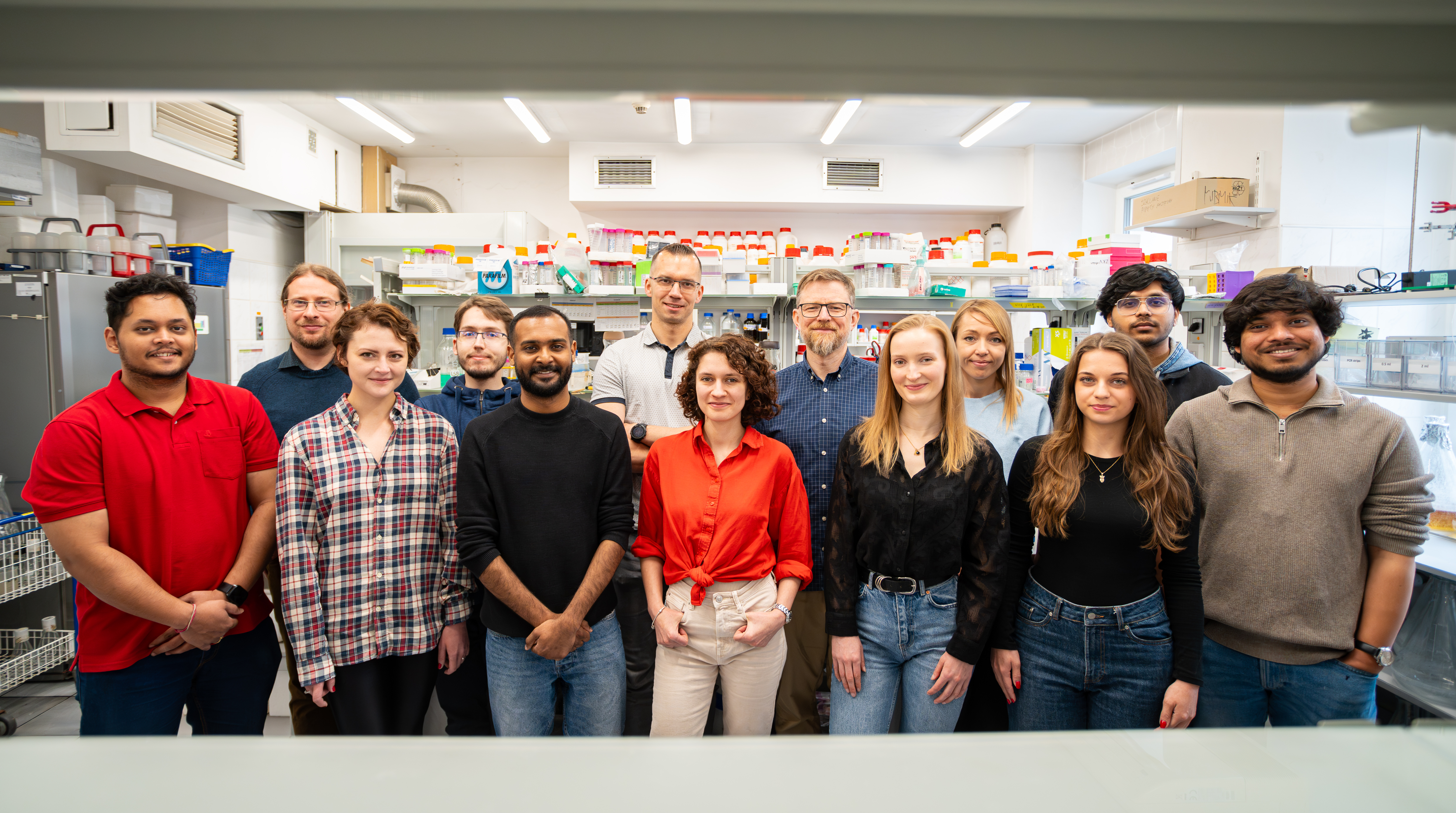
Lab Leader
Marcin Nowotny, PhD, Professor
Postdoctoral Researchers
Supreet Bhattacharya, PhD
Mariusz Czarnocki-Cieciura, PhD
Małgorzata Figiel, PhD
Markéta Šoltysová, PhD
Michał Tyras, PhD
Krzysztof Wycisk, PhD
Research Specialists
Julia Rybakowska, MSc
Małgorzata Sroka, MSc
Weronika Stelmaszczyk, MSc
Weronika Zajko, MSc
PhD Students
Girish Apte, MSc
Vysakh Komathattu Viswanath, MSc
Shuvankar Patra, MSc
Technician
Iwona Ptasiewicz (part-time)
Laboratory Support Specialist
Kamila Gajdek, MEng

Laboratory of Zebrafish Developmental Genomics
- Leader
- Cecilia L. Winata, PhD, Dsc Habil
Leader
Our research aims to study how gene expression is regulated in the developing embryo and to examine its links to congenital malformations in humans. We focus particularly on heart development and disease, using classical genetics, experimental embryology, biochemistry, and bulk and single-cell genomics techniques in the zebrafish model organism (Danio rerio).
Research Summary
Embryonic development is orchestrated by highly precise regulatory mechanisms that ensure genes are expressed in the right cells, at the right time, and at appropriate levels. Understanding how this spatiotemporal control is achieved remains a central challenge in developmental biology.
In our laboratory, we investigate the fundamental principles of gene regulation during vertebrate development, using the zebrafish as a powerful in vivo model system. We focus on how cis-regulatory elements, chromatin accessibility, and higher-order genome organization interact with transcription factors to control gene-expression programs that drive cell-fate decisions and organ formation.
By combining genomics approaches with experimental embryology, genetics, and biochemistry, we aim to define gene-regulatory networks in their native developmental context and understand how disruptions in these mechanisms lead to human congenital disorders.
Our work places particular emphasis on cardiac development. Although many genes essential for heart formation and function have been identified, how their activity is coordinated across developmental time and integrated with epigenetic regulation remains incompletely understood. We focus on cardiomyocytes and cardiac pacemaker cells, investigating how distinct cardiac cell types emerge and acquire specialized functions.
Through large-scale transcriptomic and epigenomic analyses, including single-cell approaches, we have generated resources that reveal cellular diversity and regulatory elements in the developing heart. Ultimately, our research aims to bridge gene regulation, cellular differentiation, and organ function, contributing to a deeper understanding of cardiovascular development and its links to human disease.
Scientific Impact
- We generated comprehensive transcriptomic and epigenomic resources for the developing zebrafish heart, focusing on cardiomyocytes and rare cell types such as pacemaker cells.
- We established a single-cell atlas of the developing zebrafish heart, revealing previously uncharacterized cardiac cell types and their molecular profiles.
- We identified novel regulatory elements underlying cardiovascular development and disease.
- We developed and validated a computational tool for discovering human congenital heart disease-associated non-coding variants that affect gene regulation.
Future Goals
We aim to develop zebrafish models of human genetic diseases, particularly those driven by non-coding genetic variants. These models will enable in-depth investigation of disease mechanisms in a physiologically relevant in vivo context.
By integrating genome editing with transcriptomic and epigenomic profiling, we seek to directly link genetic variants to their effects on gene regulation, cellular identity, and cardiac function. Building on our expertise in gene-regulatory networks, we aim to dissect how disruptions in cis-regulatory elements and chromatin organization alter developmental trajectories, with a focus on cardiomyocytes and cardiac pacemaker cells.
We also aim to establish an integrated single-cell transcriptomic and epigenomic atlas of the developing heart, offering a unified view of regulatory landscapes across cell types and developmental stages. Ultimately, our goal is to bridge human genetic data with experimental biology, contributing to a more comprehensive understanding of the molecular basis of congenital heart diseases and informing future precision-medicine approaches.
Collaborations
We actively collaborate with research groups within IIMCB as well as with leading international laboratories in genomics and clinical genetics. We seek cross-disciplinary partnerships that integrate developmental biology with clinical research, methods development, and computational modeling, enabling us to connect fundamental mechanisms with disease relevance.
Comment
“Our research seeks to uncover the fundamental logic of gene regulation in development, with the ultimate goal of translating these insights to human health. Using zebrafish, a model with human-relevant developmental and genetic programs, we aim to understand how regulatory disruptions lead to congenital diseases and to guide future experimental and clinical studies,” says Cecilia Lanny Winata, PhD, DSc Habil.
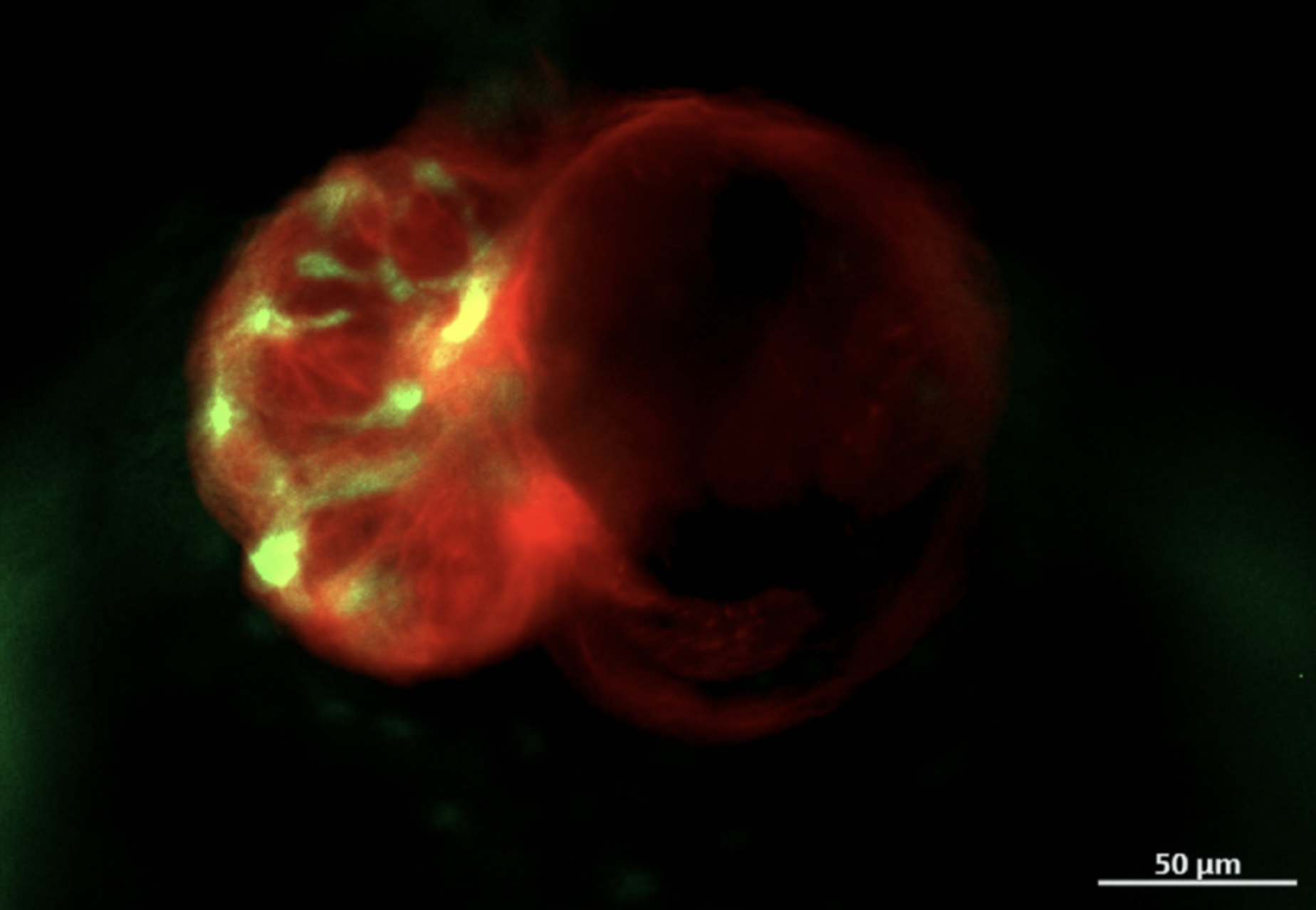
Cellular diversity of the myocardium. The zebrafish heart from the transgenic line Tg(myl7:mRFP) x Tg(-6.8got2b:cfos:EGFP) at 72 hours post-fertilization highlights distinct cardiomyocyte populations using dual fluorescent labeling. All myocardial cells are marked in red, while a specialized subset of trabecular cardiomyocytes is labeled in green. Green fluorescence is driven by a newly identified enhancer element, representing the earliest known molecular marker of trabecular cardiomyocytes and providing a vivid illustration of cellular diversity within the developing heart. Image by Costantino Parisi.
Laboratory Webpage

https://zfin.org/ZDB-LAB-141211-1
About the lab
 Jakub Nowak Photography; background modified. |
Cecilia Lanny Winata, PhD, Dsc HabilCorrespondence address: |
DEGREES
2021 - Dsc Habil in Biological Sciences, Nencki Institute of Experimental Biology, Polish Academy of Sciences, Warsaw, Poland
2009 - PhD in Biology, Department of Biological Sciences, National University of Singapore
2004 - BSc (Hons.) in Biology, Department of Biological Sciences, National University of Singapore
PROFESSIONAL EXPERIENCE
2014-present - Professor, Head, Zebrafish Developmental Genomics Laboratory, Max Planck/International Institute of Molecular and Cell Biology Research Group in Warsaw, Poland
2013-2014 - Research Associate, Genome Institute of Singapore (with a 2013 research visit to the laboratory of Prof. Peter Alestrom, Norwegian School of Veterinary Sciences, Oslo, Norway)
2009-2013 - Postdoctoral Fellow with Dr. Sinnakaruppan Mathavan, Genome Institute of Singapore
2004-2009 - Doctoral research with Prof. Gong Zhiyuan and Prof. Vladimir Korzh, Department of Biological Sciences, National University of Singapore
HONORS, PRIZES AND AWARDS
2016 - FIRST TEAM, Foundation for Polish Science
2016 - OPUS (as a partner), National Science Centre
2014 - OPUS, National Science Centre
2000-2004 - ASEAN Undergraduate Scholarship
2003 - Science Faculty Dean’s List, National University of Singapore
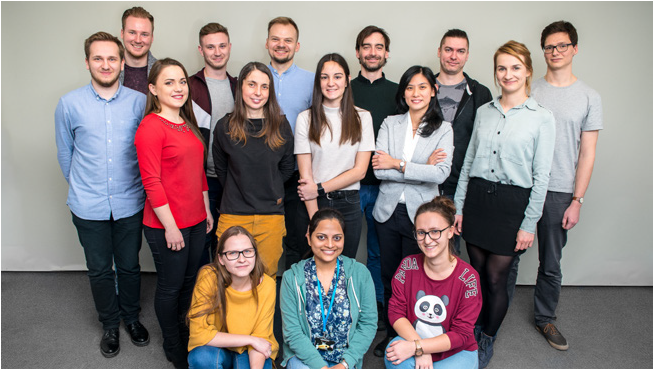
Group members
Lab Leader
Cecilia Lanny Winata, PhD, DSc Habil
Postdoctoral Researcher
Shikha Vashist, PhD (on maternity leave)
Lakshmi Priyankka Alagappan, PhD
PhD Students
Aman Suryan, MSc
Arunabha Sen, MSc
Mrudula Dileep, MSc
Research Technicians
Adrianna Pakuła, MSc
Konrad Kulesza, MSc
Lab Technician
Julia Kędzierska, MSc
Laboratory Support Specialists
Agnieszka Konkol, MSc (on maternity leave)
Patrycja Rojek, PhD
Internship Students
Pola Klinowska
Wojciech Mordań

Laboratory of Iron Homeostasis
- Leader
- Katarzyna Mleczko-Sanecka, PhD
Leader
Iron is essential for numerous biological processes, including oxygen transport, DNA synthesis, and cellular respiration. However, tight regulation of iron balance is crucial, as both iron deficiency and iron overload can lead to severe health issues. At the Laboratory of Iron Homeostasis, we aim to elucidate iron regulatory mechanisms across tissues and cell types, with a particular focus on iron recycling from erythrocytes and the systemic sensing of body iron burden. Through this work, we advance the understanding of mammalian physiology and the pathogenesis of diseases associated with iron dyshomeostasis.
Research Summary
One major aspect of our research focuses on iron recycling, a process primarily orchestrated by splenic red pulp macrophages, or RPMs, which break down aging erythrocytes and release iron back into the bloodstream. Despite representing the dominant source of bioavailable iron, knowledge about RPM biology and the mechanisms governing iron turnover efficiency remains limited.
Our findings revealed a pronounced impairment of this process during aging. Specifically, we demonstrated that age-associated iron accumulation in RPMs leads to their functional decline and eventual demise, a challenge partially alleviated by dietary iron restriction in mice.
Another major research line explores distinct functional and metabolic adaptations of RPMs in response to iron deficiency, shedding light on how the organism adjusts to restricted iron availability.
In addition, our research identified liver sinusoidal endothelial cells, or LSECs, as the primary cell type responsible for the clearance of free hemoglobin from the circulation, thereby contributing to physiological iron recycling and hemoglobin detoxification, particularly under hemolytic conditions.
Concurrently, we uncovered previously unrecognized mechanisms by which LSECs sense excessive systemic iron levels, including elevated hemoglobin burden. Our work also identified iron-triggered signaling via the transcription factor ETS1 and the p38/JNK MAPK pathway as a mechanism regulating Bmp6 expression, a key iron-sensing component of systemic iron control.
Scientific Impact
- We identified impaired iron recycling as an early hallmark of aging.
- We deciphered how splenic macrophages adapt their phagocytic capacity and metabolism in response to nutritional iron deficiency.
- We revealed an unexpected role of liver endothelium in the clearance of free hemoglobin under both physiological and hemolytic conditions.
- We discovered a novel signaling pathway involved in iron sensing by liver endothelium.
Future Goals
- We will investigate how iron recycling efficiency shapes splenic immune functions and contributes to broader immune homeostasis.
- We aim to establish defective iron recycling as a contributing factor in human disease.
- We will further dissect the links between macrophage metabolism and iron recycling from erythrocytes.
Collaborations
We work closely with peers from the iron metabolism field, researchers in immunology, cancer biology, infectious diseases, and liver physiology, and experts in modern omic technologies to understand how different cell types cooperate to maintain iron balance and support immune function. These collaborations enable us to translate mechanistic insights from mouse models and cellular systems into human-relevant contexts, including primary liver cells.
Comment
In our research, we are driven by the realization that long-standing assumptions about iron biology and macrophage function often capture only part of the underlying reality. By looking closely at how individual cell types, such as splenic macrophages and liver endothelial cells, adjust their clearance functions, signaling, and metabolism to changing iron availability, we see that iron homeostasis is not a fixed program but a highly plastic, cell-type-specific process. Each time we revisit pre-existing concepts through the lens of metabolic rewiring and tissue context, we uncover new layers of organization that reveal how elegantly systemic iron balance is maintained. - Katarzyna Mleczko-Sanecka, PhD
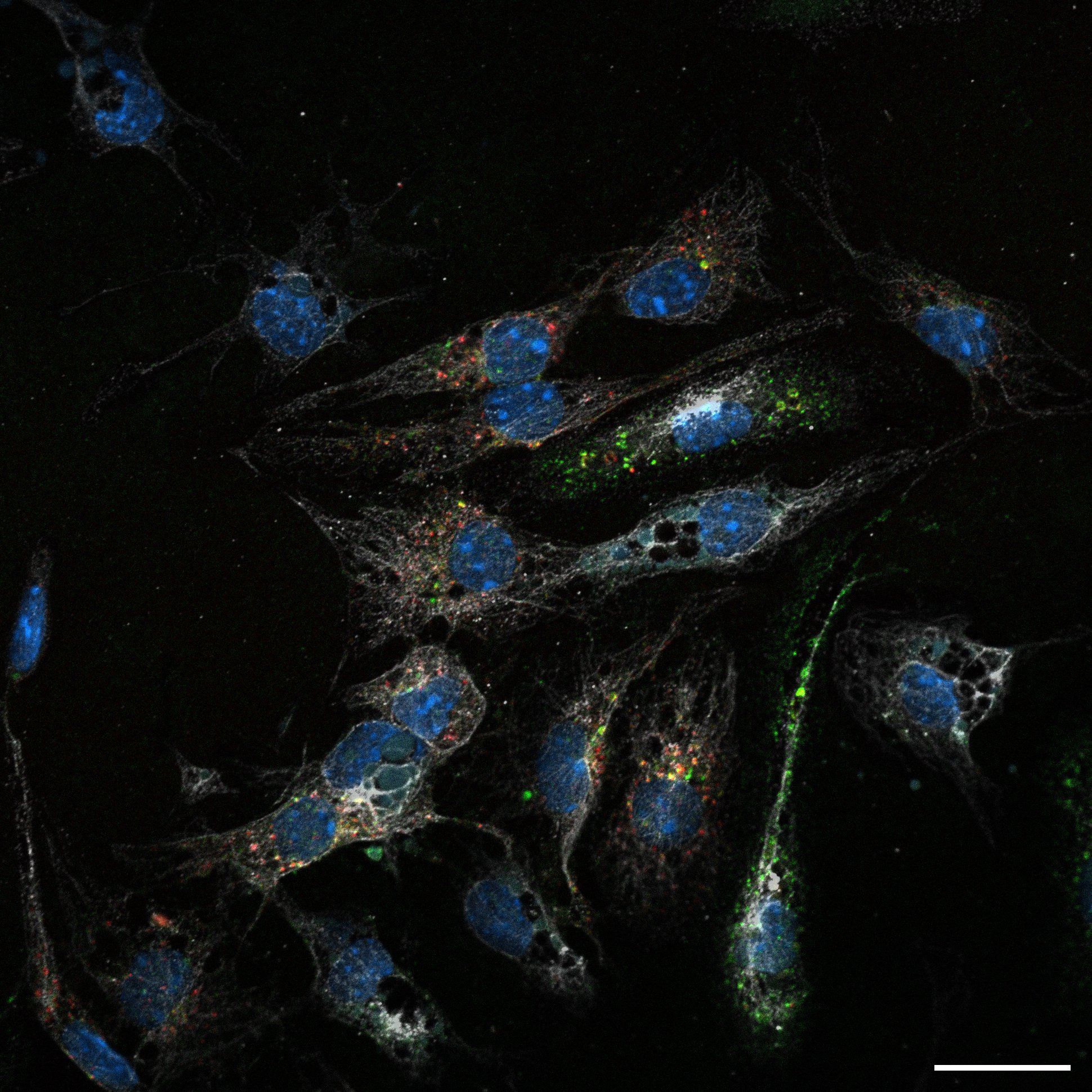
Primary murine LSECs performing uptake of fluorescently labeled hemoglobin. Illustration by Aneta Jończy.
About the lab
 |
Katarzyna Mleczko-Sanecka, PhDCorrespondence address: |
DEGREES
2011 - PhD in Biology, European Molecular Biology Laboratory (EMBL) Heidelberg and Heidelberg University, Germany
2007 - MSc in Biotechnology, Faculty of Biochemistry, Biophysics and Biotechnology, Jagiellonian University, Cracow, Poland
PROFESSIONAL EXPERIENCE
2017-present - Professor, Head of Laboratory of Iron Homeostasis, International Institute of Molecular and Cell Biology in Warsaw, Poland
2011-2015 - Postdoctoral research with Prof. Martina Muckenthaler and Prof. Matthias W. Hentze, Molecular Medicine Partnership Unit, European Molecular Biology Laboratory and Heidelberg University, Heidelberg, Germany
2007-2011 - Doctoral research with Prof. Martina Muckenthaler and Prof. Matthias W. Hentze, Molecular Medicine Partnership Unit, European Molecular Biology Laboratory and Heidelberg University, Heidelberg, Germany
2006-2007 - Master thesis research with Prof. Józef Dulak and Prof. Alicja Józkowicz, Department of Medical Biotechnology, Jagiellonian University, Cracow, Poland
2006 - Undergraduate research during Erasmus fellowship with Dr. Claudine Kieda, Centre De Biophysique Moleculaire, Centre National de la Recherche Scientifique, Orleans, France
2005 - Undergraduate research during Erasmus scholarship with Dr. Claudine Kieda, Centre De Biophysique Moleculaire, Centre National de la Recherche Scientifique, Orleans, France
HONORS, PRIZES AND AWARDS
2023 - Awarded as a Co-investigator in the American Federation for Aging Research (AFAR) grant
2023 - Gunshin Levy Award from the BioIron Society
2021 - NCN SONATA BIS 10 Grant
2020 - Scholarship of the Minister of Science and Higher Education for Outstanding Young Scientist
2019 - NCN OPUS 16 Grant
2016 - POLONEZ, National Science Centre
2014 - Independent research grant, University of Heidelberg
2011 - Invitation to 61st Lindau Meeting of Nobel Laureates, Lindau, Germany
2015, 2014, 2011-2009 - Travel Grant to attend and present data at the international conferences in iron biology
2007 - Louis-Jeantet PhD Scholarship for young researchers from Eastern Europe to support PhD studies at European Molecular Biology Laboratory
2006 - Erasmus Scholarship, Centre National de la Recherche Scientifique, Orleans, France
Group members
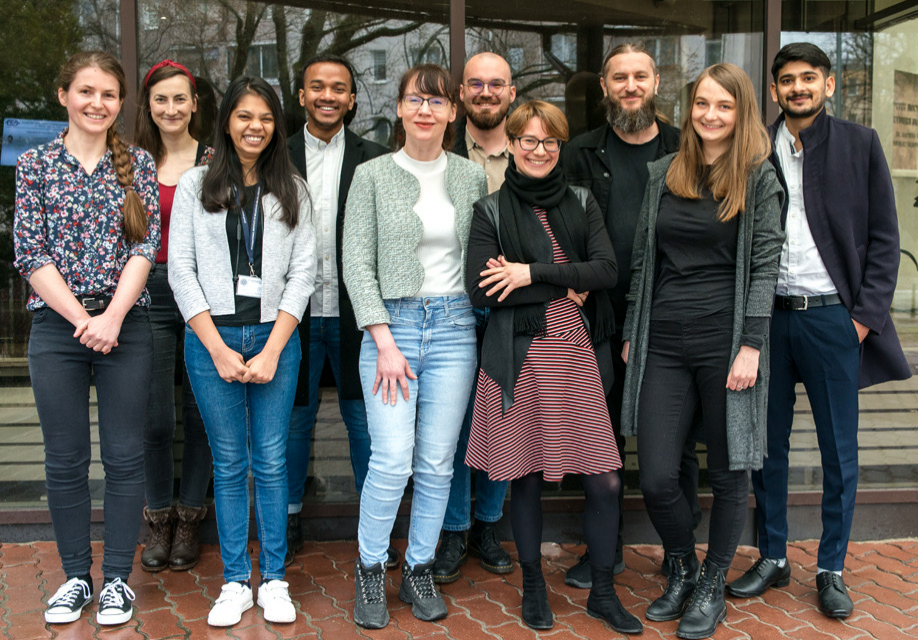
Lab Leader
Katarzyna Mleczko-Sanecka, PhD
Post-doc
Pratik Kumar Mandal, PhD
PhD Students
Raghunandan Mahadeva, MSc
Umm E Laila, MSc
Research Specialist
Marta Niklewicz, MSc
Laboratory Support Specialist
Patrycja Rojek, PhD

Laboratory of Protein Metabolism
- Leader
- Prof. Wojciech Pokrzywa, PhD, Habil.
Leader
At the Laboratory of Protein Metabolism, we study proteostasis – the coordinated control of protein synthesis, folding, and degradation. Proteostasis is one of the fundamental processes that maintain the proper functioning of cells, tissues, and entire organisms.
Our research focuses on the ubiquitin–proteasome system, one of the principal mechanisms responsible for protein quality control in the cell. We seek to understand how cells and organisms maintain protein homeostasis under conditions of stress, aging, and disease, and how disruption of these mechanisms leads to pathology. Our research uses the model organism Caenorhabditis elegans, human cell lines, and integrated biochemical, genetic, microscopy-based, omics, and bioinformatics approaches.
OUR RESEARCH
Our research focuses on the mechanisms through which cells preserve proteome integrity under changing and challenging conditions. We view proteostasis not as a collection of separate pathways, but as a dynamic network of processes that together determine protein quality, abundance, and functionality.
We are particularly interested in the role of the ubiquitin–proteasome system in protein recognition and degradation, as well as in the mechanisms through which degradation signals, known as degrons, direct specific proteins for removal.
In 2024–2025, our work contributed to defining proteostasis as a coordinated system connecting organelles, cells, and tissues. We demonstrated that cells not only respond to stress but can also prepare for it by reorganizing structures such as the nucleolus and activating extracellular communication mechanisms.
Our research also addresses the molecular basis of rare diseases caused by defects in protein quality control. We place particular emphasis on ubiquitin-dependent regulation and the substrate receptors of cullin–RING E3 ligases.
Key Research Areas
The Nucleolus as a Stress-Response Hub
We investigate the nucleolus, a specialized structure within the cell nucleus, as a dynamic regulator of proteostasis. We are interested in how proteotoxic stress induces the reversible remodeling of the nucleolus into a compartment that temporarily prioritizes protein quality control over ribosome biogenesis. This reorganization may help cells restore homeostasis after stress and could provide a potential target for new therapeutic strategies.
Rare Diseases of Proteostasis
We investigate the molecular basis of rare diseases caused by defects in protein quality control. We are particularly interested in how impaired substrate recognition by ubiquitin-dependent systems affects tissue proteostasis and leads to disease phenotypes.
Proteostasis in Adaptive States
We study how proteostasis is maintained during chronic or recurrent stress. One of our models involves cold-induced adaptive states resembling hibernation, in which growth and biosynthesis are temporarily restricted while cells reorganize their proteome-maintenance pathways.
The Lipid–Proteasome Axis in Stress and Aging
Using C. elegans and human cell systems, we investigate how lipid metabolism and inter-tissue signaling modulate proteostasis during chronic stress and aging. We aim to understand how metabolic rewiring supports the long-term stability of the proteome.
Scientific Impact
Neuroendocrine Control of Proteostasis
We discovered a neuroendocrine mechanism that links environmental and social signals with the regulation of proteostasis at the whole-organism level. This mechanism controls the formation of exophers – large extracellular vesicles involved in the removal or transfer of selected cellular components.
We also demonstrated that the mere proximity of a potential pathogen can modulate exopher production even before infection occurs. This reveals a preventive, environmentally responsive layer of proteostasis regulation.
Proteostasis in Reproduction and Stress
We demonstrated that interactions between HSP70 and CHIP proteins are essential for maintaining germline integrity under heat stress. This mechanism prevents excessive degradation of proteins required for reproduction and reveals a protective layer of ubiquitin-dependent regulation.
Computational Resources for the Scientific Community
We created DEGRONOPEDIA, an open-access platform for degron identification and prediction. The platform enables the analysis of protein degradation signals and supports research into the mechanisms that determine when, where, and how proteins are selectively degraded.
Metabolic Modulation of Proteostasis
We identified unexpected links between detoxification pathways and the activity of the ubiquitin–proteasome system. We demonstrated that small molecules, including the anticancer drug floxuridine, can modulate proteostasis independently of canonical germline-associated signaling.
Societal and Educational Impact
Educational Game
An important element of our laboratory’s activities is DEGRADATOR, an educational game developed by Natalia Szulc and Prof. Wojciech Pokrzywa. The game provides an accessible explanation of how the ubiquitin–proteasome system works, how cells remove selected proteins, and how this knowledge can be applied in therapeutic strategies based on targeted protein degradation using PROTAC compounds.
The project was launched in 2024 and includes not only the game itself but also a set of educational resources: quizzes, the Great Encyclopedia of Protein Degradation, a comic, and lesson plans developed in collaboration with the BioCEN Center for Innovative Bioscience Education. All materials are available in Polish and English.
DEGRADATOR has also been incorporated into the LabXchange platform developed by Harvard University, increasing its accessibility to the international educational community.
In 2024, DEGRADATOR received third place in the category of fully developed games at the 12th International Educational Games Competition organized at Aarhus University in Denmark.
The LumiRare Initiative
Inspired by the laboratory’s research into rare diseases, Prof. Wojciech Pokrzywa founded LumiRare in 2024. The company translates scientific knowledge into personalized reports for families affected by rare genetic variants. These reports help families better understand disease mechanisms, identify possible directions for further scientific investigation, and connect with relevant experts and laboratories.
Research Plans
In the coming years, we will investigate how proteostasis is reorganized under chronic and adaptive stress. Particular emphasis will be placed on the nucleolus as a spatial regulator of protein quality control and on its interactions with the ubiquitin–proteasome system, including the immunoproteasome.
We will also investigate how metabolic rewiring, including the suppression of lipid biosynthesis, restores proteasome function under stress. In addition, we intend to determine how proteostasis is maintained in cold-induced adaptive states resembling hibernation.
In parallel, we will define how dysfunction of cullin–RING ubiquitin ligases reshapes proteostasis in human disease. This research direction is particularly relevant to understanding the molecular mechanisms of rare, neurodegenerative, and cancer-related diseases associated with impaired protein quality control.
Laboratory Mission
Our goal is to uncover the molecular mechanisms that enable cells and organisms to maintain proteome stability under conditions of stress, aging, and disease. We aim to understand how protein degradation systems, cellular organelles, and inter-tissue signaling cooperate to protect proteostasis, and how this knowledge can be used to develop new therapeutic strategies.
THE LABORATORY WEBSITE

pokrzywalab.com
About the lab
 |
Prof. Wojciech Pokrzywa, PhD, HabilCorrespondence address: |
DEGREES
2026 - Professor of Exact and Natural Sciences in the discipline of Biological Sciences, nominated by the President of the Republic of Poland
2020 - DSc Habil in Biological Sciences, Institute of Biochemistry and Biophysics, Polish Academy of Sciences, Poland
2009 - PhD in Biological Engineering and Agronomic Sciences at the Institute of Life Sciences, Molecular Physiology Group (FYMO), Catholic University of Louvain, Belgium.
2006 - Master of Advanced Science in Biological Engineering and Agronomic Sciences at the Catholic University of Louvain, Belgium.
2004 - Master’s in Microbiology at the University of Wroclaw, Poland.
PROFESSIONAL EXPERIENCE
2017 - present - Professor, Head of Laboratory of Protein Metabolism, International Institute of Molecular and Cell Biology in Warsaw, Poland
2009 - 2017 - Postdoctoral fellow at the Cologne Excellence Cluster on Cellular Stress Responses in Aging-Associated Diseases (CECAD), University of Cologne, Germany.
2004 - 2008 - PhD studies at the Institute of Life Sciences, Molecular Physiology Group (FYMO), Catholic University of Louvain, Belgium.
HONORS, PRIZES AND AWARDS
2024 - A distinction from the Division II of the Polish Academy of Sciences for the “Discovery of new proteostasis mechanisms important in the functioning of organisms and development of new therapies”
2024 - The Minister of Science and Higher Education award for outstanding scientific achievement
2022 - SONATA BIS, National Science Center
2020 - GRIEG, National Science Center
2018 - FIRST TEAM, Foundation for Polish Science
2018 - EMBO Installation Grant
2017 - OPUS, National Science Centre
2005 - PhD Fellowship from the FNRS-Fund for Scientific Research, Belgium
2004 - ERASMUS Scholarship
Group members
Lab Leader
Prof. Wojciech Pokrzywa, PhD, DSc Habil.
Postdocs
Andrés Felipe Leal Bohórquez, Ph.D.
Bogdan Cichocki, Ph.D.
Małgorzata Piechota, Ph.D.
Agnieszka Sztyler, Ph.D.
Pankaj Thapa, Ph.D.
PhD Students
Lilla Biriczová, M.Sc.
Karolina Milcz, M.Sc.
Smriti Raina, M.Sc
Anwesha Sarkar, M.Sc
Natalia Szulc, M.Sc.
MSc Students
Natalia Jemielity
Specialists
Khushboo Jaggi
Marta Niklewicz
Technicians
Julia Kałuska
Laboratory Support Specialist
Gabriela Skrzyńska

Laboratory of RNA Biology - ERA Chairs Group
- Leader
- Andrzej Dziembowski, PhD, Professor
Leader
At the Laboratory of RNA Biology – ERA Chairs Group, we investigate how RNA 3′-end metabolism shapes gene expression across cells and tissues. Our work focuses on poly(A) tails, mRNA stability and cytoplasmic polyadenylation, as well as the application of these mechanisms to the design of improved mRNA therapeutics. We combine genetics, animal models, structural biology, Oxford Nanopore direct RNA sequencing, advanced computational analysis and machine-learning approaches.
We discovered previously unrecognized, cell-type-dependent mechanisms that enhance the stability of both endogenous and therapeutic mRNAs, including molecules used in vaccines. Our goal is to define their molecular basis and translate this knowledge into design principles for more effective and precisely targeted mRNA therapeutics.
Research Summary
mRNA stability is a major determinant of how much protein is produced from a given RNA molecule. Poly(A)-tail dynamics play a central role: the tail is added in the nucleus and repeatedly remodelled in the cytoplasm. These tails are technically challenging to study because they are homopolymers whose length and nucleotide composition can change during the lifetime of an individual transcript.
We have developed an Oxford Nanopore direct RNA sequencing platform that analyses full-length native RNA molecules without amplification. This enables us to measure poly(A)-tail length and composition at single-molecule resolution and to investigate their dynamics in vivo across cell types, tissues and physiological models. We also developed Ninetails, a convolutional-neural-network tool that detects non-adenosine nucleotides within poly(A) tails directly from raw nanopore RNA-sequencing signals.
A major focus of the laboratory is the TENT5 family of cytoplasmic poly(A) polymerases. We showed that these metazoan-specific enzymes stabilise selected mRNAs, particularly transcripts encoding secreted and endoplasmic-reticulum-targeted proteins. TENT5 proteins have important functions in gametogenesis, bone formation, immune responses and the control of tissue-specific secretory programmes.
One of our key achievements was the discovery that TENT5A re-adenylates COVID-19 vaccine mRNA in immune cells. This process extends poly(A) tails, stabilises therapeutic mRNA, increases antigen production and improves vaccine efficacy. The findings revealed a host-encoded mechanism supporting mRNA medicines and point towards therapies tailored to the target cell type and the destination of the encoded protein.
Scientific Impact
- We established cytoplasmic poly(A) polymerases of the TENT5 family as important regulators of physiological processes.
- We demonstrated that TENT5A re-adenylates and stabilises SARS-CoV-2 vaccine mRNA, increasing antigen production and vaccine efficacy.
- We showed that poly(A)-tail metabolism is relevant not only to fundamental biology but also to the development of mRNA-based therapies.
Research Plans
Through the ERC Advanced Grant project “ViveRNA”, we investigate endogenous and therapeutic mRNA stability in vivo by combining precisely engineered mouse models, primary cells, direct RNA sequencing, synthetic biology and quantitative modelling of post-transcriptional processes.
One objective is to define tissue-specific “RNA stability codes”. Using knock-in models that enable controlled depletion of key RNA-decay enzymes, we will measure mRNA stability and deadenylation kinetics across organs and identify the mechanisms that establish distinct post-transcriptional environments in different tissues.
We are also developing a new research direction focused on the role of TENT5A in the hypothalamic–pituitary axis, investigating how cytoplasmic polyadenylation of transcripts encoding neurohormones and neuropeptides contributes to hormonal homeostasis and whole-organism physiology.
For therapeutic mRNAs, we will systematically examine how coding-sequence composition, UTR architecture, 5′-cap chemistry, localisation signals and poly(A)-tail design affect RNA stability and protein output. Machine-learning models trained on our in-house datasets will be used to derive design rules for specific cell types and protein classes, followed by functional validation in primary cells and in vivo models.
The laboratory coordinates the HERO consortium (Horizon for Excellence in Messenger RNA Applications in Immuno-Oncology) within the Virtual Research Institute. Together with our partners, we are developing chemical strategies to improve mRNA therapeutics and exploring their application in cancer immunotherapy.
Collaborations
We collaborate with Prof. Marcin Nowotny and Prof. Marta Miączyńska at IIMCB; Prof. Jacek Jemielity and Dr Joanna Kowalska at the University of Warsaw; and Prof. Dominika Nowis and Prof. Jakub Gołąb at the Medical University of Warsaw.
We also maintain collaborations focused on mRNA stability, including with Prof. Magdalena Dziembowska at the University of Warsaw; Prof. Bertrand Séraphin at IGBMC, France; Dr Agnieszka Tudek at the Institute of Biochemistry and Biophysics, Polish Academy of Sciences; Prof. Torben Jensen at Aarhus University, Denmark; and Prof. Grzegorz Kudla at the Human Genetics Unit, University of Edinburgh.
Awards and Recognition
The scientific achievements of Prof. Andrzej Dziembowski and his team have been recognized with numerous prestigious awards, including the Foundation for Polish Science Award, the Prime Minister’s Awards, and the Minister of Education and Science Awards. The laboratory’s publications are also regularly recognized, including with the Jakub Karol Parnas Award from the Polish Biochemical Society and in the IIMCB Best Papers Awards competition.
Research perspective
We aim to understand why mRNA stability and both the length and composition of poly(A) tails differ between tissues, and to use these rules to design more effective mRNA therapeutics tailored to specific cell types. To achieve this, we combine in vivo models, long-read sequencing and machine-learning approaches.
Visit the laboratory profile on X: https://twitter.com/DziembowskiLab
About the lab
 |
Andrzej Dziembowski, PhD, ProfessorCorrespondence address: |
 |
DEGREES
2014 - Professor of Biological Sciences, nomination by the President of the Republic of Poland
2009 - DSc Habil in Molecular Biology, University of Warsaw, Poland
2002 - PhD in Biology, cum laude, Department of Genetics Faculty of Biology, University of Warsaw, Poland
1998 - MSc in Molecular Biology, University of Warsaw, Inter-Faculty Individual Studies in Mathematics and Natural Sciences, Poland
PROFESSIONAL EMPLOYMENT
2019-present - Professor, Head of the Laboratory of RNA Biology - ERA Chairs Group, IIMCB, Warsaw, Poland (100% appointment)
2011-present - Associate Professor, Faculty of Biology, Department of Genetics and Biotechnology, University of Warsaw, Poland (currently 25% employment)
2014-2019 - Full Professor, Institute of Biochemistry and Biophysics PAS, Poland
2010-2014 - Associate Professor, Institute of Biochemistry and Biophysics PAS, Poland
2008-2010 - Assistant Professor, Institute of Biochemistry and Biophysics PAS, Poland
2006-2011 - Assistant Professor, Faculty of Biology, Department of Genetics and Biotechnology, University of Warsaw, Poland
2002 -2006 - Post-doctoral fellow, Centre de Génétique Moléculaire, CNRS, France
MEMBERSHIP IN SCIENTIFIC SOCIETIES, ORGANIZATIONS AND PANELS
2020 - Corresponding Member, Polish Academy of Sciences
2018 - EMBO Member
2004 - RNA Society Member
FELLOWSHIPS AND AWARDS
2018 - Prize for scientific achievements, Foundation for Polish Science
2014 - Master Award, Foundation for Polish Science
2013 - Ideas for Poland Award, Foundation for Polish Science
2013 - Knight's Cross of the Order of Polonia Restituta
2013 - Jakub Karol Parnas Award for the best publication in biochemistry, Polish Biochemical Society
2013 - National Science Centre Award for outstanding scientific achievements
2012 - Member, Polish Young Academy, Polish Academy of Sciences
2010 - Prime Minister Award for the habilitation thesis
2009 - Scholarship for outstanding young scientists, Minister of Science and Higher Education
2006 - EMBO Installation Grant
2002 - Postdoctoral fellowship, Foundation for Polish Science
2002 - Prime Minister Award for PhD thesis
2001 - Scholarship for Young Scientists, Foundation for Polish Science
DOCTORATES DEFENDED UNDER LAB LEADER’S SUPERVISION
K. Drążkowska, M. Lubas, A. Siwaszek, M. Ukleja, M. Czarnocki-Cieciura, O. Gewartowska, P. Krawczyk, E. Furmańczyk, A. Pyzik, T. Kuliński.

The Laboratory of RNA Biology - ERA Chairs Group has been established thanks to the EU H2020 funding within the ERA Chairs project |
Group members
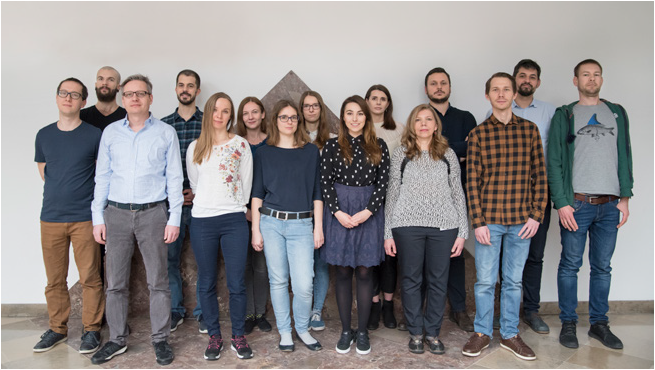
Lab Leader
Andrzej Dziembowski, PhD, Professor
Senior Scientist
Seweryn Mroczek, PhD Habil.
Bartosz Tarkowski, PhD
Postdoctoral Researchers
Agnieszka Czarnocka-Cieciura, PhD
Natalia Gumińska, PhD
Tomasz Kuliński, PhD
Kornel Labun, PhD
Michał Małszycki, PhD (EMBO fellow)
Michał Mazur, PhD
Research Assistant
Karolina Kasztelan, MSc
Senior Specialist
Kamila Affek, MSc
Ewelina Patrycja Owczarek, MSc
Julia Szeptycka, MSc
Agnieszka Machowska, MSc
Dominik Chwastek, MSc
PhD Students
Wiktor Antczak
Wiktoria Orzeł
Tola Tame
Magdalena Jawor
Senior Laboratory Technician
Alina Zielińska, BSc
Laboratory Support Specialist
Paula Kwapisz, MSc
Undergraduate students
Alicja Bień-Gryber
Alicja Stachurska
Julia Łucyn
Anna Modrzejowska
Wojciech Mordań
The Laboratory of RNA Biology - ERA Chairs Group has been established thanks to the EU H2020 funding within the ERA Chairs project entitled “MOlecular Signaling in Health and Disease - Interdisciplinary Centre of Excellence”, acronym: MOSaIC (GA no 810425)